

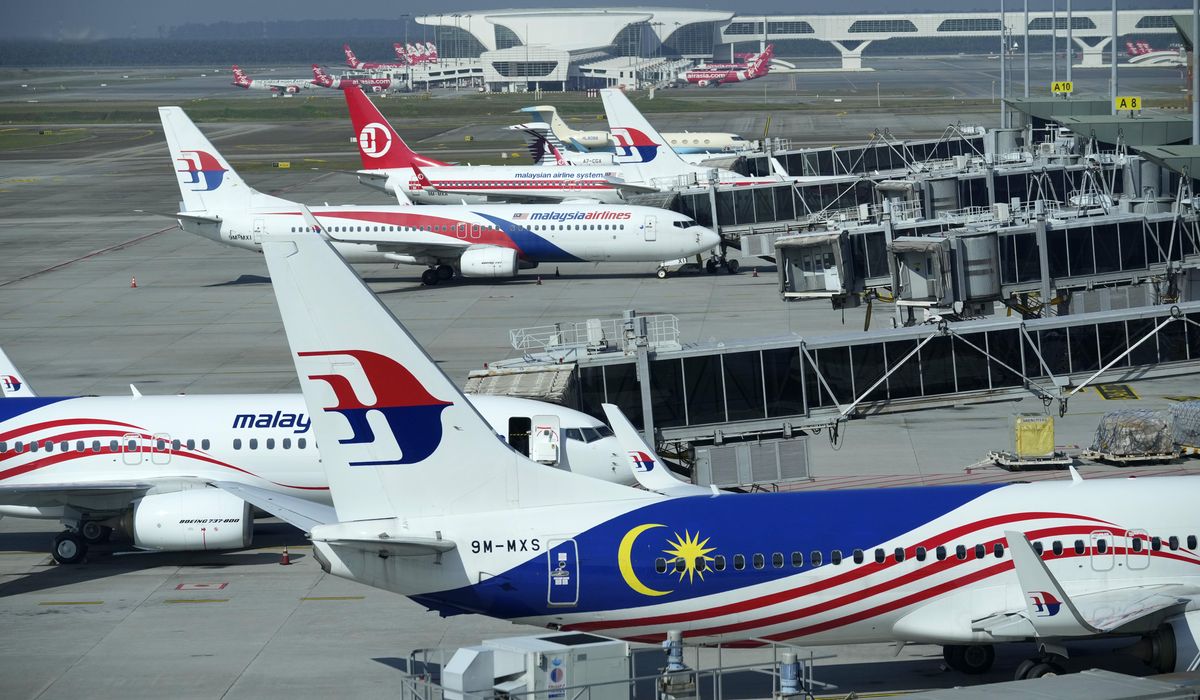
A Malaysia Airlines pilot was arrested last week after Indonesian customs officers allegedly found more than 70,000 ecstasy pills in his suitcase, and authorities said a post-arrest urine test indicat
The arrest unfolded last week when Indonesian customs officers stopped a Malaysia Airlines pilot and searched his luggage, allegedly uncovering a cache of more than 70,000 ecstasy pills packed in a suitcase. Those numbers shocked officials given how large the seizure was compared with typical single-person cases. Public details remain limited, but the discovery immediately drew attention from law enforcement and aviation authorities alike.
Indonesian officials handled the initial detention at a customs checkpoint and took the pilot into custody for questioning. The brief official statement noted the volume of pills and the involvement of airport customs but offered few additional specifics. Local authorities typically follow standard procedures in such incidents, which can include documentary checks, forensic analysis, and custody for further investigation.
The official release also mentioned that a post-arrest urine test was performed, though the original report stops short of completing that line of detail. Reporting around ongoing criminal matters often leaves certain items deliberately vague until lab results and formal charges are confirmed. For transparency and legal reasons, authorities commonly delay full disclosure while forensic work and legal review proceed.
Malaysia Airlines has not been quoted in the original item included here, and care should be taken not to assume the airline’s internal response. In past incidents involving airline staff, carriers typically cooperate with local authorities and conduct internal inquiries parallel to legal processes. Employment actions, if any, generally follow the outcome of the criminal investigation and any regulatory steps by aviation bodies.
When customs officers discover high volumes of contraband at international transit points, the case often triggers multiple investigative lanes. These can include the criminal file, inquiries into trafficking networks, and checks for any possible role the detained individual might have had beyond carrying the items. Investigators may also trace baggage movements and review flight records to establish where and how the suitcase entered the transport chain.
Large seizures like the one described tend to prompt questions about courier recruitment, coordination across borders, and gaps in cargo and luggage screening. Customs agencies often emphasize that smugglers change methods frequently, so large-volume finds are treated as potential leads into broader trafficking operations. Preventing those networks relies on cooperation between customs, police, prosecutors, and sometimes international partners.
From a legal perspective, anyone arrested in a foreign jurisdiction faces a set of procedural protections as well as local penalties, which can be severe depending on the country and controlled substance involved. Defense strategies and legal outcomes vary considerably and hinge on evidence, chain of custody, and the applicable statutes. The process commonly includes detention, potential remand, formal charges, and later court proceedings if prosecutors move forward.
For aviation safety and public trust, incidents involving flight crew members raise particular sensitivities. Airports and airlines have strict rules about crew behavior and fitness for duty, and any alleged involvement in criminal activity is taken seriously by regulators. Passengers and industry observers often expect prompt investigations, clear communication, and appropriate follow-up steps to protect service integrity.
Media coverage of such events can shape public perception long before facts are fully established, so careful reporting and official updates are important to avoid premature conclusions. Law enforcement agencies generally aim to release verified information at key milestones, such as when lab results come back or charges are filed. Until then, many details remain unofficial and subject to confirmation.
As the case moves through legal channels, observers will likely watch for formal charges, any forensic confirmations, and statements from the agencies involved. The immediate takeaway is that customs officers report a major seizure involving a Malaysia Airlines pilot and that authorities performed a post-arrest urine test. Beyond that, the usual investigative and judicial steps are expected to determine how this matter proceeds.

