

International Playbook on Mass Migration Rolls Into Poland examines how coordinated migration strategies long used elsewhere are now targeting Poland, spotlighting legal pressure, NGO networks, and cross-border manipulation that threaten national sovereignty and social cohesion.
“International Playbook on Mass Migration Rolls Into Poland” reads like a warning more than a headline. Conservative observers see familiar tactics moving east: legal and organizational playbooks that first reshaped Spain and Ireland are now in motion near Warsaw. The question is whether Poland, proud of its Catholic and nationalist identity, will defend its borders or yield to pressure.
The tactics are not subtle. Activist groups and sympathetic legal teams push asylum and residency claims in waves, while transport and housing networks quietly mobilize to create facts on the ground. Courts and international bureaucracies frequently interpret laws in ways that open doors wider than voters intended, and those institutions are often indifferent to democratic limits on migration.
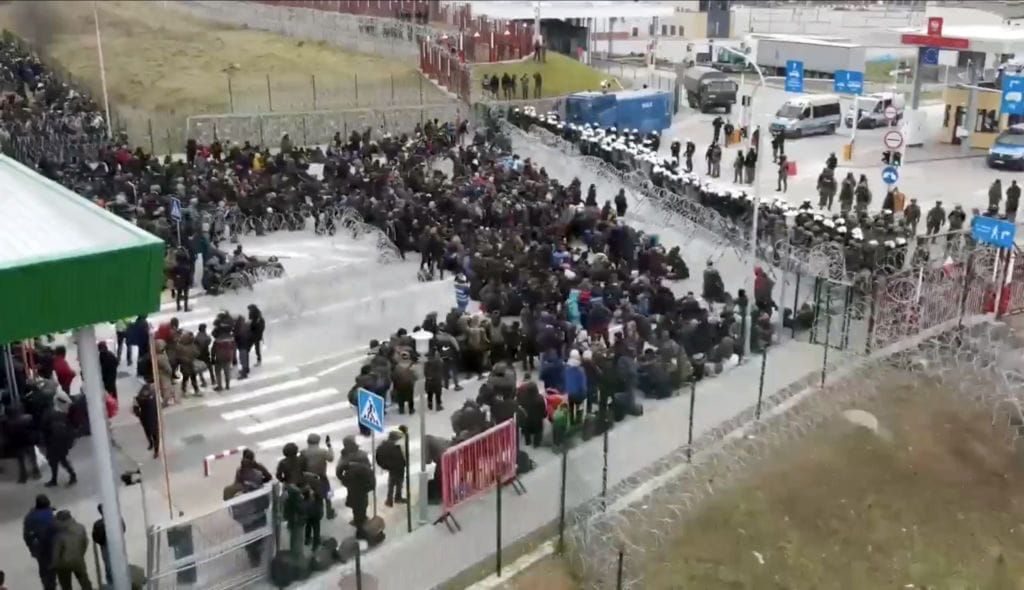
Belarus has been a clear actor in this theater, using migrant flows as leverage against neighbors and NATO partners. Border incidents that once looked isolated now follow a pattern: ferry people toward EU frontiers, create humanitarian headlines, then exploit legal loopholes. Reports from the region emphasize how geopolitical actors can weaponize migration for political ends.
(Photo by Belarus State Border Committee/Anadolu Agency via Getty Images)
Poland’s ruling coalition faces a choice that is political and existential. Maintain firm border enforcement and reform asylum processes, or allow incremental changes that alter the electorate and the social compact. Republican-minded critics argue Poland should favor clear, enforceable rules over reactive, court-driven outcomes that reward strategic migration.
There are economic and cultural stakes too. Rapid, unmanaged migration can strain housing, health care, and education systems, especially in smaller towns that suddenly absorb large numbers of newcomers. Cultural integration is not automatic; when the pace and scale of arrivals outstrip public capacity, tensions rise and trust erodes.
International institutions often promote relocation and quota schemes that smooth the path for mass movement while sidestepping national consent. Those proposals appeal to cosmopolitan elites but clash with voters who expect their governments to prioritize citizens first. That democratic disconnect fuels skepticism toward Brussels and similar bodies.
Lessons from Spain and Ireland are instructive. Both countries saw rapid social and demographic shifts after liberal migration policies and court rulings expanded access. For conservatives, the lesson is that once momentum builds, reversing course becomes politically and legally difficult. Poland’s own conservative base is now alert to that risk and pushing for preemptive legal changes.
Practical steps deserve attention without falling into panic. Strengthening border control, clarifying asylum criteria, and toughening legal standards for residency claims would restore predictable governance. Equally important is insisting that international law and regional agreements respect national prerogatives, rather than enabling de facto resettlement initiatives imposed from afar.
Poland’s political identity is at stake. Jun 3, 2026 marks another moment when public debate sharpened over immigration’s direction and who gets to decide it. For those who believe in national sovereignty and the rule of law, resisting an international playbook on mass migration is not an act of isolation but a defense of democratic choice and cultural continuity.

