

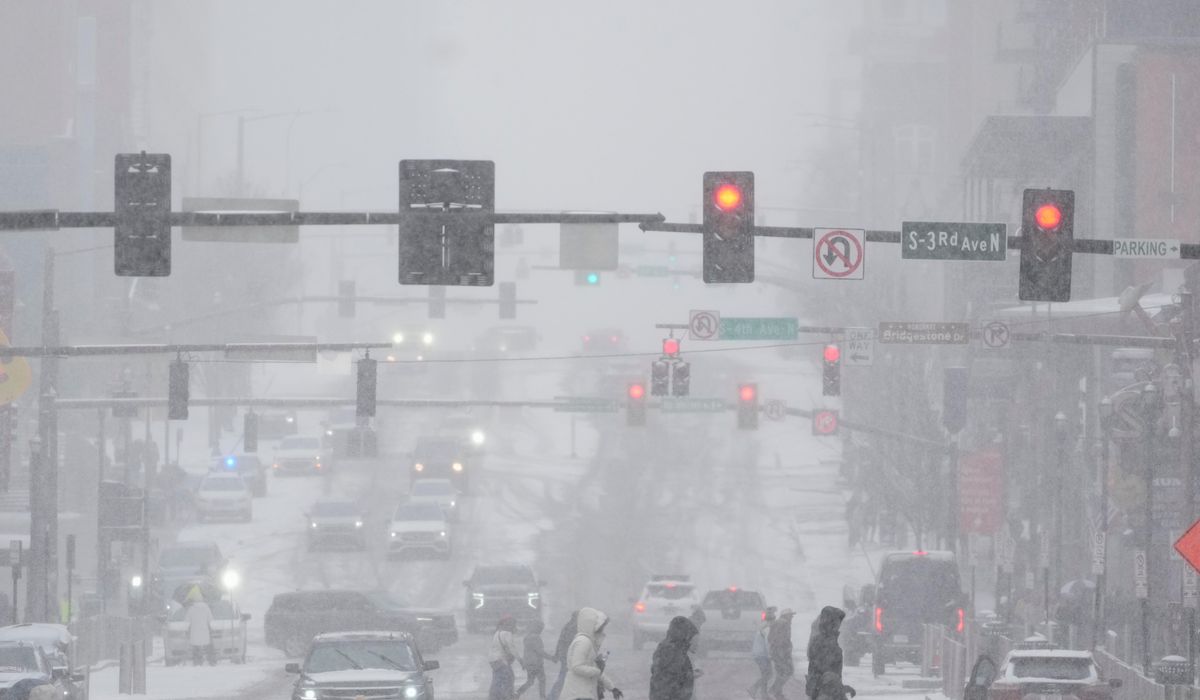
The NBA pushed back two games as a major winter storm snarled travel and safety across large parts of the country, disrupting schedules and creating widespread hazards.
The NBA postponed games in Memphis and Milwaukee on Sunday because of a massive winter storm that is creating dangerous travel conditions across much of the U.S. Teams, road crews and local officials faced heavy snow, ice and gusty winds that made flights risky and highways treacherous. League and team officials said safety was their top concern as they monitored conditions and transport options.
Airlines and regional carriers canceled hundreds of flights in and out of affected hubs, leaving players and staff scrambling for alternate plans. Ground travel also proved unreliable as interstates accumulated ice and visibility dropped in many areas. With uncertain arrival times and shifting weather reports, league logistics teams assessed the situation hour by hour.
Beyond professional sports, the storm hit communities with power outages and halted commutes, stretching public works departments and emergency services thin. Tree branches collapsed under the weight of ice and snow, knocking down lines and closing streets in neighborhoods near major stadiums. Local officials issued advisories and limited nonessential travel to protect residents and responders.
For fans, the postponements meant sudden changes to ticket plans and travel itineraries, creating frustration and confusion for those who had already arrived or were en route. Teams moved quickly to communicate options through official channels while arenas adjusted staffing and operations. Ticket policies and rescheduling announcements followed soon after league statements, aiming to minimize disruption for attendees.
League schedulers now face the task of finding new dates that fit dense calendars for both teams involved and account for arena availability. Rescheduling games involves coordinating travel, broadcast windows and opposing team commitments, and it often means compacting future stretches of the season. The practical reality is that postponed contests can affect rest cycles and competitive balance during a packed slate.
Coaching staffs and players had to pivot from preparation to contingency planning, shifting practice rhythms and managing minutes for upcoming matchups. The interruption can affect scouting timelines and recovery plans, especially when multiple teams are delayed or rerouted. Medical and training staffs stayed alert for any injury risks tied to long travel or cramped schedules that might follow rescheduled dates.
Weather-driven postponements also ripple through local economies, impacting hotels, restaurants and vendors that rely on game day crowds. Small businesses around arenas that count on predictable event schedules faced canceled orders and overstocked inventory. Community leaders weighed the short-term losses against public safety priorities that made postponement the responsible choice.
In the days after the storm, utility and transportation crews worked around the clock to restore services and clear major routes, while teams and league officials finalized new dates and arrangements. Fans were advised to watch official team communications for confirmed rescheduling details and ticket handling procedures. As the region recovers, the focus shifts to safely getting everyone back on the court and on the road without risking further harm.


1 Comment
This didn’t age well! Global Warming = the SCAM of the century!
“U.N. Predicts disaster if Global Warming not checked ”
Peter James Spielman June 29th 1989
“United Nations (AP) _ A senior U.N. environmental official says entire nations
could be wiped off the face of the Earth by rising sea levels if the global warming
trend is not reversed by the year 2000.”