

The Michael Jackson biopic’s mega success shows audiences embraced the film while many outlets kept their focus on controversy instead of the entertainment value.
The movie opened with strong ticket sales and streaming chatter, and it drew crowds that were clearly eager to relive the music and showmanship. That turnout turned the film into a cultural moment rather than a niche curiosity, and it forced conversations about what people want from big-screen biographies. The commercial momentum made the project impossible to ignore for studios and promoters alike.
Critics were split, with some praising the production and performances and others zeroing in on the darker chapters tied to the subject’s life. Fans tended to emphasize the songs, choreography, and spectacle, while some media narratives returned to allegations and controversies. That contrast between audience focus and newsroom priorities became one of the more interesting side stories of the release.
Social feeds lit up with clips of the film’s musical sequences, backstage recreations, and crowd reactions, proving how modern fandom operates. Shared moments and viral short-form posts amplified interest across age groups, pulling in viewers who may not have been die-hard followers. Those organic spikes in attention made the picture feel like a live event, giving it a longer tail in conversation than raw box-office numbers would suggest.
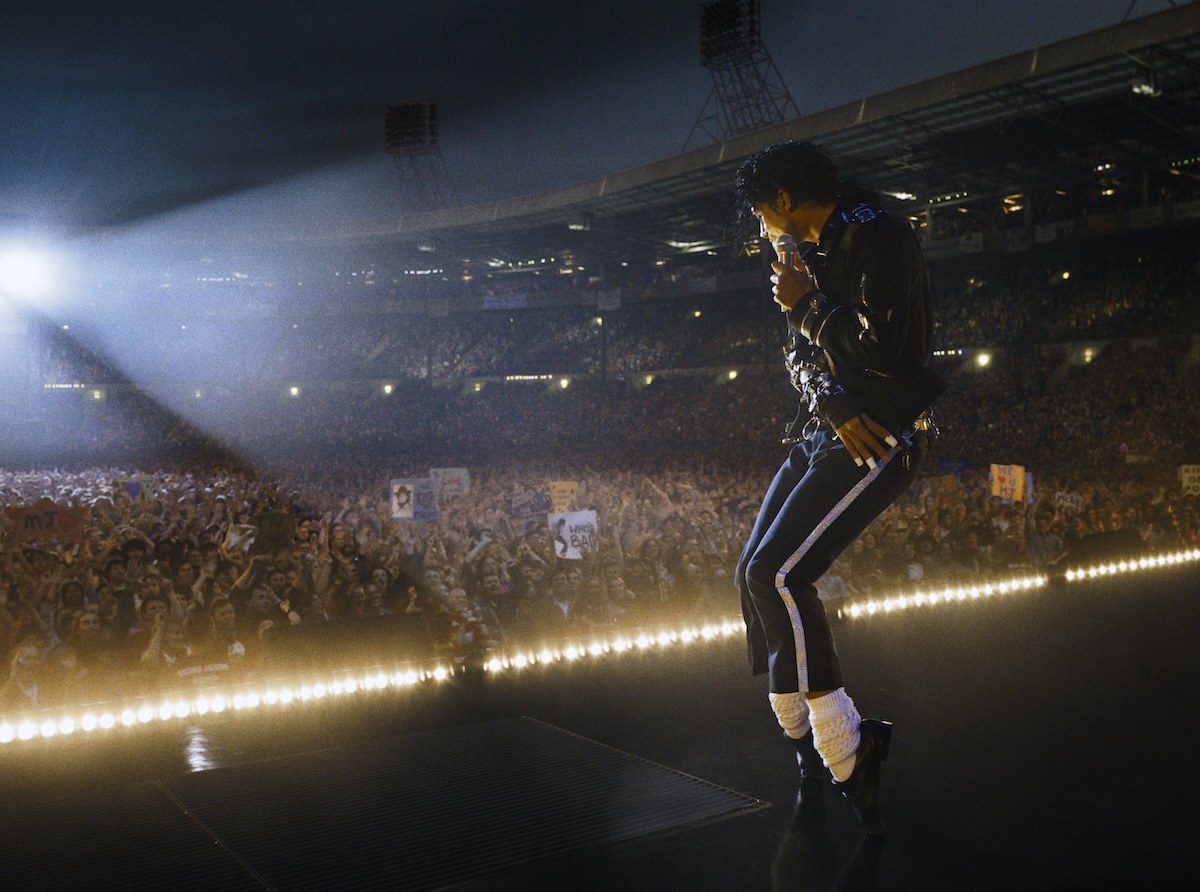
Much of the film’s appeal rests on its performances and production design, elements that let people experience the live spectacle on a big screen again. When audiences are offered a polished recreation of legendary concerts and song moments, they respond to the craft even if opinions about the central figure are mixed. For many viewers, the cinematic recreation provided the main reason to show up, with nostalgia acting as a strong motivator.
The debate over separating art from artist resurfaced in dozens of think pieces and social posts, reflecting a cultural pattern that repeats with high-profile figures. Some viewers find they can enjoy the music while condemning past behavior, and others prefer to boycott the work entirely. That range of reactions shows how personal values and cultural memory interact in different ways across demographics.
Studios take careful notes when a project like this performs well, and the industry will likely greenlight further music-centered biopics that promise spectacle and strong audience pull. Investors and producers watch how crowds respond to nostalgia, live-music staging, and crowd-driven promotion when deciding where to place next bets. The success signals a market appetite for films that deliver both the music and a dramatized behind-the-scenes look without necessarily resolving every controversy.
Traditional outlets that continued to foreground allegations found themselves out of step with a large portion of ticket buyers, which fueled debate about media priorities and audience attention spans. This tension isn’t unique to one film or one artist; it’s a recurring pattern when complicated histories meet mainstream entertainment. The way this release unfolded highlights how cultural consumption and editorial focus can be misaligned.
Ultimately, the film’s performance reminded industry players that emotional connection and spectacle still drive big audiences, even amid contentious backstories. Filmmakers are learning to balance dramatic honesty with the elements that make a concert film feel alive, and that mix determines both critical and commercial outcomes. The real story for studios is how to package legacy acts so they resonate with today’s viewers while navigating the unresolved issues that follow famous lives.

