

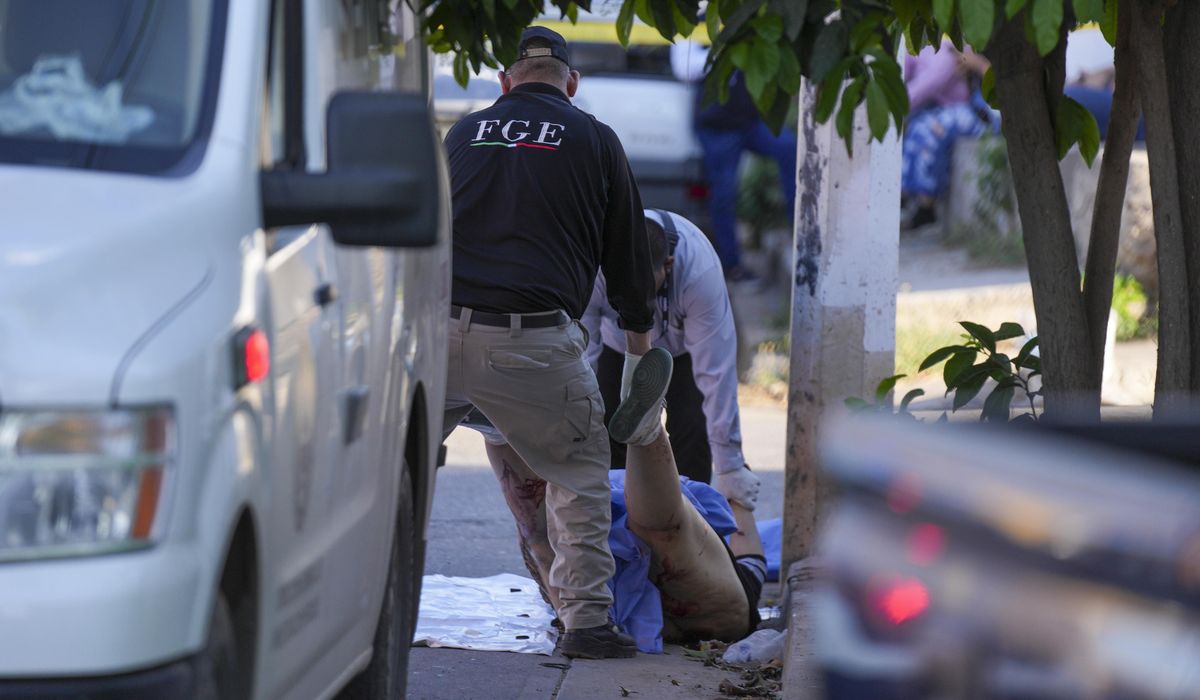
A Mexican content creator was shot to death Tuesday night while livestreaming outside a fast-food restaurant in Culiacan, the capital of Sinaloa state, as two people on a motorcycle opened fire in view of the camera.
The attack happened during a live broadcast, turning what was meant to be a routine social media moment into a deadly scene. Viewers and bystanders were left stunned as the shooter pair on a motorcycle drove up and opened fire. Authorities arrived after the shooting and have described the incident as a targeted attack under investigation.
Livestreams are meant to connect creators with their audience instantly, but that same immediacy can expose them to real-world threats in seconds. Public locations like restaurant parking lots are predictable and easy to monitor, which can make content creators vulnerable when they go live. Security experts say attackers can use the broadcast to time their moves or to confirm the target before acting.
Culiacan, the capital of Sinaloa state, has seen a long history of violent incidents tied to organized crime, and shootings in public spaces are not uncommon. Police responses in these situations often focus on securing the scene and documenting evidence from multiple camera angles, including the victim’s own livestream. Investigators will also review the video and any nearby surveillance footage to piece together the sequence of events and identify suspects.
The use of a motorcycle in the attack fits a troubling pattern seen in many cities where quick getaways are essential for assailants. Motorcycles allow shooters to approach, fire, and flee while blending into traffic or side streets, complicating immediate pursuit. For witnesses, the speed and suddenness of such attacks leave little time to act or to provide detailed descriptions of the attackers.
Online creators who broadcast from public spaces face a difficult mix of opportunity and risk when they choose to go live. Fans expect authenticity and immediacy, and creators often respond by streaming from everyday places. That practice can put them within sight lines of people with ill intent, and it makes every on-camera movement potentially visible to anyone watching, including criminal actors.
Local officials have urged people to avoid confrontation and to cooperate with investigators, while community leaders have called for better protection for public areas where crowds gather. Some creators have already changed how they work, using pre-recorded content, tighter location controls, or private, invitation-only sessions to reduce the chance of being targeted. Others are demanding clearer guidance from authorities about how to stay safe without losing the connection with their audience.
Family, friends, and fellow creators reacted with shock and grief as news spread across social networks and messaging groups. Support networks and creator communities have started conversations about safety protocols and rapid-response plans in the event of violence. Meanwhile, police continue to gather testimony from witnesses and review all available footage to identify suspects and motives.
Beyond the immediate investigation, the incident renews questions about public safety in cities where violent crime is a frequent headline. Citizens and officials must weigh the balance between open public life and measures to make shared spaces safer for everyone, including people who use those spaces to work and to connect online. For now, the case is a grim reminder that the boundary between the digital and the physical can be dangerously thin when violence finds a way into a live broadcast.

