

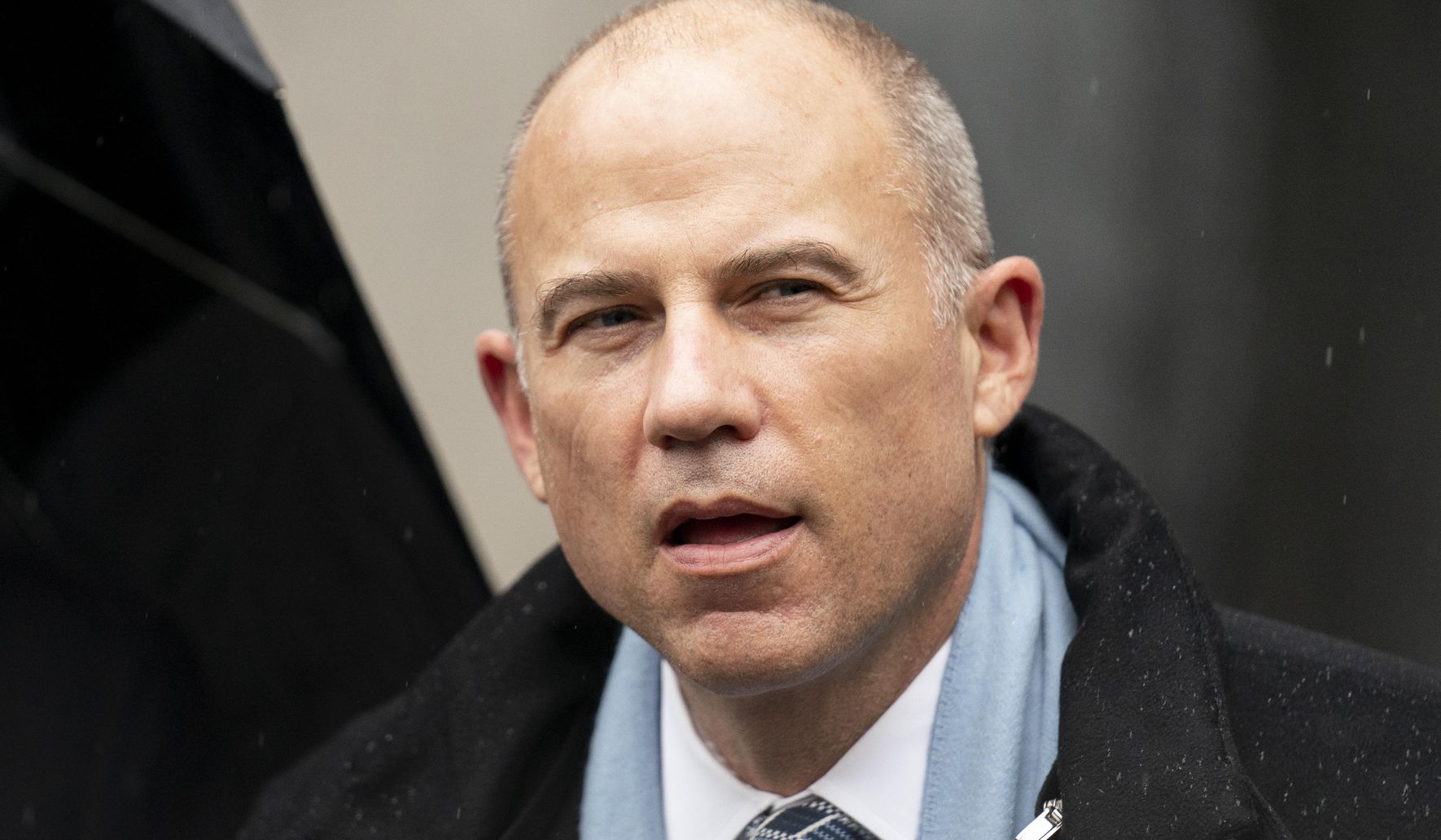
Michael Avenatti, the attorney known for representing Stormy Daniels in her unsuccessful defamation suit against President Donald Trump, has been released from federal prison after serving his sentence, and his return raises questions about accountability, public spectacle, and how the legal system treats high-profile figures.
Michael Avenatti’s release is a reminder that high-profile legal fights don’t end with a courtroom verdict. He first rose to national attention as the lawyer for adult film star Stormy Daniels in her unsuccessful defamation lawsuit against President Donald Trump, a case that made him a fixture on cable news. That visibility shaped public perception of him long before his incarceration.
Now that he’s out, the mix of fame and infamy around Avenatti will influence how people react. Supporters who once praised his courtroom bravado may look for redemption, while critics will point to consequences and the importance of following the law. For many conservatives, the episode underscores a consistent theme: no one should be above accountability, regardless of media appeal.
The case brings up an uncomfortable reality about celebrity lawyers and the attention economy. Some attorneys build brands by courting cameras and charges that capture headlines, which can blur lines between advocacy and self-promotion. That practice often invites scrutiny when private conduct doesn’t match public claims.
Conservative observers will note that attention-grabbing legal tactics can backfire, and that the justice system must remain impartial whether a defendant is a celebrity or an ordinary citizen. The GOP perspective tends to emphasize firm but fair enforcement of laws and skepticism toward media-driven narratives. Avenatti’s path from television circuit to federal custody fits that frame.
There are broader questions about how legal professionals behave under public pressure. When a trial or civil fight becomes newsworthy, the temptation to play to audiences grows, and ethical boundaries deserve careful attention. The profession depends on trust, and high-profile missteps erode public confidence in legal institutions.
Financial and reputational fallout often outlast any sentence. Even after release, rebuilding a career in law or media is difficult when convictions or regulatory findings loom large. Many who follow these cases expect ongoing legal and civil consequences that complicate a return to the spotlight.
The media ecosystem itself comes under scrutiny in moments like this. For years, outlets amplified Avenatti’s pronouncements and courtroom confrontations, which helped create a celebrity aura. From a conservative vantage point, the episode highlights how sensational coverage can elevate controversial figures without adequate vetting.
Republicans will likely push the argument that impartial enforcement and a level playing field are central to public trust. That’s a common refrain when high-profile personalities clash with the law: the rule of law matters more than the charisma of the accused. The principle applies regardless of political affiliation or media favor.
At the same time, the public’s appetite for drama keeps producing larger-than-life legal personalities. Whether those figures use the spotlight ethically is a separate question that regulators and bar authorities must address. Critics of celebrity lawyering argue that the appeal of fame should not replace professional responsibility.
For donors, clients, and colleagues, Avenatti’s release will be a litmus test of loyalty and practicality. Some will distance themselves to avoid reputational risk, while others may view this as a moment for second chances. Conservative voices tend to prioritize caution and the preservation of institutional integrity in these calculations.
Politicians and pundits on all sides will likely revisit the original Daniels-Trump context, using Avenatti’s release as a bookend to a broader cultural argument. For Republicans, the episode can be framed as an example of the necessity for consistent legal standards and the dangers of allowing media-fueled spectacle to drive legal narratives.
Legal commentators will keep watching for any post-release moves: public statements, attempts to re-enter practice, or engagement in new media ventures. Each step will prompt renewed debate about accountability, rehabilitation, and the responsibilities of high-profile lawyers who trade on public attention.
The release closes one chapter but opens another about how society balances fame, accountability, and the rule of law. Observers across the political spectrum will interpret his return through familiar lenses, and for conservatives the emphasis will likely remain on consequences, transparency, and preserving public faith in legal institutions.

