

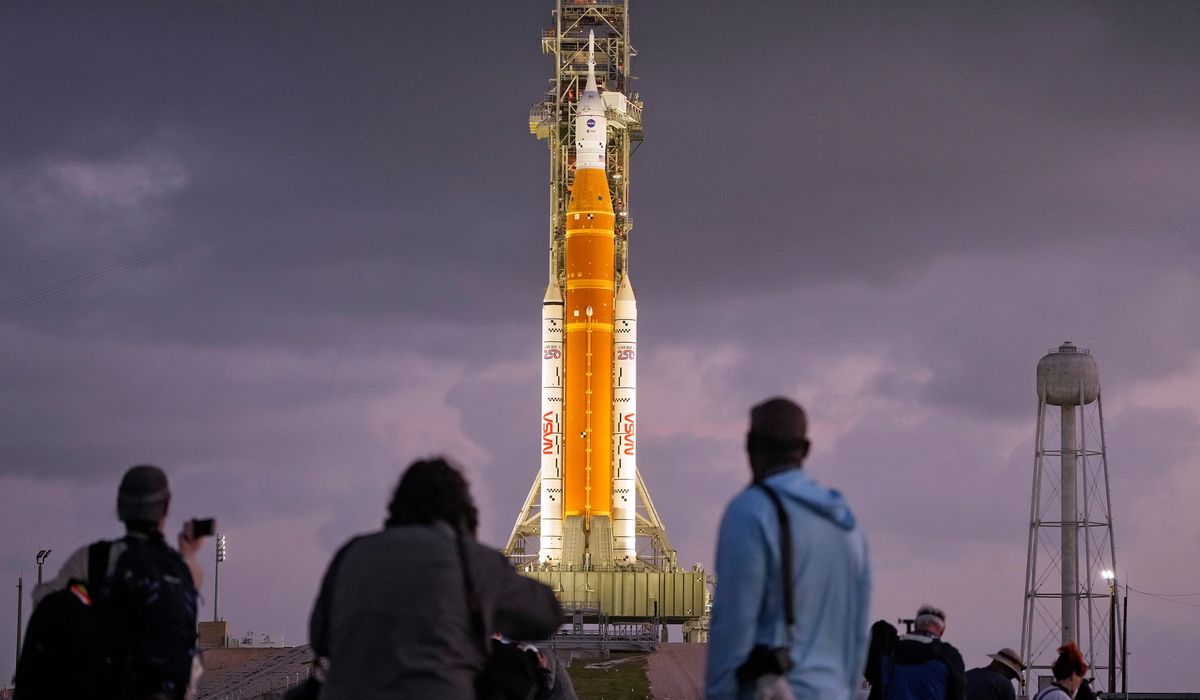
NASA’s Artemis II will be the first crewed trip past the moon since 1972, sending four astronauts on an Apollo-style fly-around and marking a major step in returning humans to lunar space.
It’s humanity’s first flight to the moon since 1972. In a throwback to Apollo, NASA’s Artemis II mission will send four astronauts on a lunar fly-around. That short, daring loop around the moon is designed to test systems and procedures under real crewed conditions before any landing attempt.
The mission matters because it bridges decades of lunar absence and the next era of exploration, proving crewed deep-space operations are again possible. It will exercise life support, communications, navigation and crew procedures far from Earth, where delays and isolation complicate everything. Successful performance will open the door to more ambitious missions that actually touch the lunar surface.
Artemis II’s profile is deliberately conservative: fly around, observe, and return, rather than land. That approach reduces mission risk while letting engineers validate the Orion spacecraft and the launch system together with a human crew aboard. The data gathered in this mission will be the bedrock for planning landings, surface stays, and extended operations on and around the moon.
A moon fly-around forces crew training to focus on systems troubleshooting, long-duration readiness, and real-time decision-making with limited support. Crews train for contingencies that range from communication blackouts to minor hardware failures, with simulations that replicate the long transit times and the psychological strain of deep space. Those drills are essential to ensure humans can operate complex vehicles when help from mission control is hours away.
Technically, Artemis II relies on decades of progress while echoing Apollo’s spirit of exploration and engineering guts. Modern avionics, radiation shielding improvements, and advances in propulsion and life support reduce some historical risks, but leaving low Earth orbit still demands caution. The mission will also test how well today’s systems integrate — from the rocket that launches Orion to the spacecraft that must re-enter Earth safely after a lunar trajectory.
Risk and redundancy are central to the plan; engineers insert backups and fail-safes wherever possible, and mission rules prioritize crew safety over headline-grabbing objectives. This conservative posture recognizes the steep consequences of a crewed failure so far from home, and it reflects political and fiscal realities that reward careful, test-driven progress. Each success or setback will shape policy choices and funding decisions for the longer-term lunar program.
Public interest in a crewed return to lunar space taps into national pride and a global fascination with exploration, but it also raises questions about priorities and cost. The mission’s visibility will influence public support for follow-on missions that aim for landings, bases, or commercial partnerships on the lunar surface. How the government manages transparency, budget discipline, and international cooperation during this phase will affect both domestic opinion and allied participation.
Artemis II is not the finish line; it is a crucial operational rehearsal that tells engineers, policymakers and the public whether the path forward is sound. If systems perform as planned, the next missions can push for surface work, research outposts and sustainable presence. The mission’s outcome will shape the tempo and ambition of lunar exploration for years to come.

