

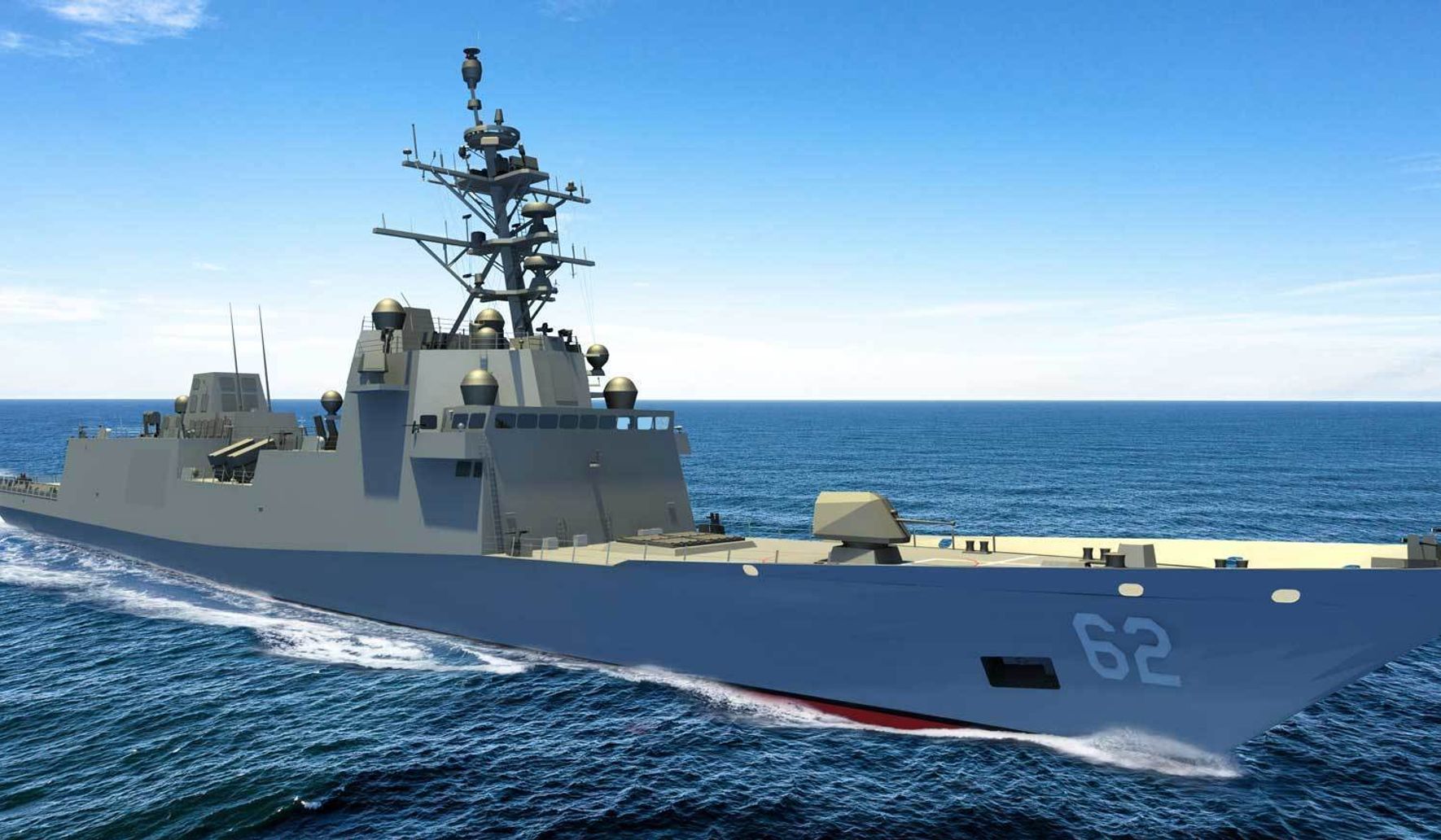
The Navy has moved to end the Constellation-class frigate program so it can shift resources toward new, faster and less expensive ship designs, a decision announced by Navy leadership this week.
The Navy is sinking the troubled Constellation-class frigate program so it can focus on new classes of warships that can be built faster and cheaper, Navy Secretary John Phelan announced Tuesday. That one line tells you there was a shift in priorities driven by cost and schedule realities, and the decision landed squarely in official channels. The change matters because it redirects procurement choices and industrial effort toward platforms that promise better value for the fleet.
From a Republican perspective this move is about fiscal discipline and military readiness. If a program is burning time and money without delivering ships quickly, you stop throwing good money after bad and pivot to smarter buys. Lawmakers and defense leaders want more hulls in the water that can be produced on time and under control, not a prolonged pet project that balloons in cost.
Program cancellations are never easy and they create disruption across yards and suppliers. You have workers, contracts, and supply chains that need clear direction, and they deserve transparency about what comes next. The administration has to manage that transition so capable workers stay employed while new designs ramp up.
Operational commanders welcome ships that arrive when promised and do what they were bought to do. Smaller, affordable warships that can be built quickly change the calculus in theaters where presence and numbers matter. The Navy’s stated move toward platforms that are cheaper and faster to produce aims to give commanders more options sooner rather than later.
Congress will ask tough questions about where the money goes and who pays for the switch. Appropriators from both parties want accountability when a big program is dropped, and Republicans will emphasize contract oversight and defense spending restraint. Expect hearings and budget line-item scrutiny as lawmakers seek to protect shipyards and taxpayers alike.
Industry reactions will vary depending on who stands to gain from the pivot to new classes of ships. Some shipbuilders will see fresh work as designs change and production lines shift, while others will need help adapting or competing for follow-on contracts. The Navy and lawmakers should coordinate to preserve critical skills while rewarding firms that can execute reliably.
There is also a strategic argument for prioritizing platforms that can be produced at scale. The modern security environment favors a mix of capable, numerous vessels that can perform distributed missions, not just a handful of expensive, specialized ships. Republicans argue that buying more affordable, effective ships strengthens deterrence by denying adversaries the ability to exploit gaps in presence.
Procurement reform is the subtext of this decision, and it cannot be ignored. When acquisition processes allow cost growth and delays, the services lose options and Congress loses confidence. A renewed focus on milestones, firm requirements, and contract structures that reward on-time performance would be a welcome outcome of this reset.
There will be critics who call the move short-sighted or politically motivated, but the republican case rests on stewardship of defense dollars and delivering capability on a realistic timeline. The Navy’s choice to stop pouring resources into a troubled program signals a preference for tangible results over sunk-cost momentum. How the department executes the pivot will determine whether this decision looks prudent or costly in the months ahead.
Accountability must run through the next steps, from transition plans for affected workers to clearly defined requirements for the new classes of ships. The objective should be straightforward: get more useful warships into service sooner while protecting the industrial base that builds them. That approach keeps the Navy operationally strong and fiscally responsible at the same time.

