

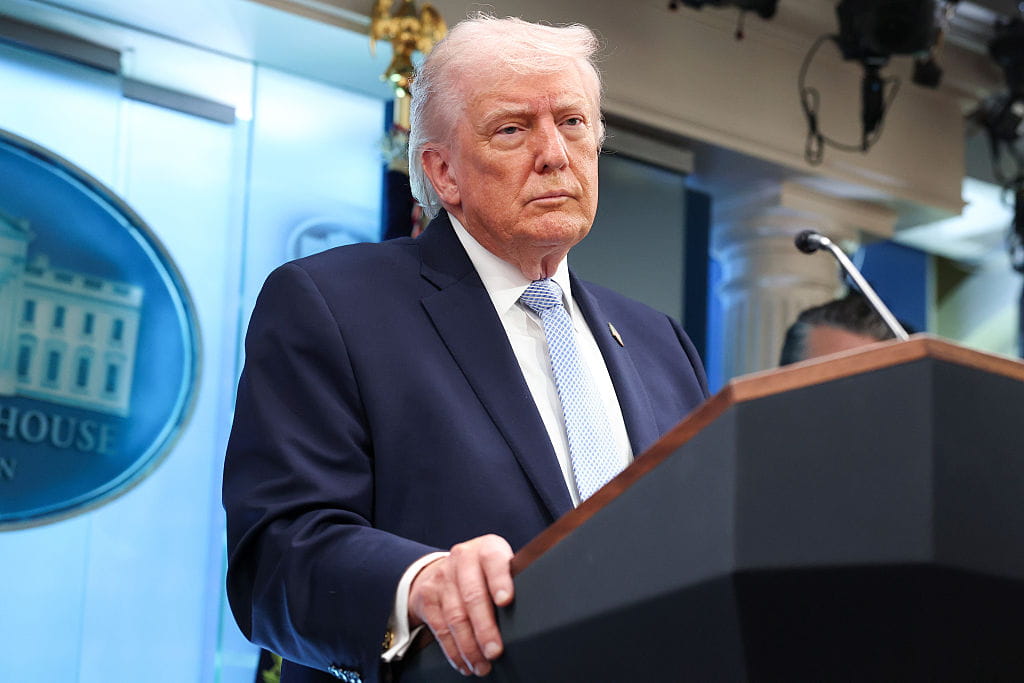
For nearly eleven years the debate has been the same: why do high-profile Republican nominees so often look like the establishment rather than the insurgent energy that shook up the party in 2016.
The question nags because voters remember when a businessman without a political pedigree took on the GOP and won. That upset exposed a mismatch between party activists and the candidates the establishment pushes in big races. The result has been a cycle where conservative voters feel sidelined while the same comfortable faces return to the ballot.
Primary voters are not naive about optics or electability. They want candidates who will fight for conservative priorities and not merely mimic Washington norms. When nominees default to bland centrism, it signals to the base that loyalty to the status quo still matters more than results.
Money and endorsements tilt contests in predictable directions, and that power shapes who actually becomes the nominee. Big donors and party infrastructure prefer certainty and tested resumes over insurgent energy. That creates a built-in bias toward candidates who look like the party’s managerial class rather than its activist core.
Meanwhile the activists who powered the 2016 shift are still there and they are more skeptical than ever. They have seen compromises that left policy wins half baked and cultural fights lost. That distrust fuels demands for nominees who are unapologetic and steady in defending conservative principles.
Messaging matters and the right message can cut through donor-backed narratives. Candidates who speak plainly about security, the economy, and accountability connect with voters who want substance over spin. Too many nominees try to avoid rocking the boat and end up sounding like every other career politician.
Another problem is candidate quality. High-profile races attract polished professionals who know how to run a campaign but not always how to fight for core reforms. Voters can spot when someone is trained to play the political game rather than to change it. The result is an endless parade of safe bets that rarely deliver transformative results.
Media behavior amplifies the establishment’s influence because legacy outlets tend to reward moderation and predictable framing. That gives a premium to candidates who fit conventional narratives and punishes those who break the mold. Conservative voters see this as a double standard when bold rhetoric is labeled extreme but centrist wanders are treated as sensible.
There is also a structural issue in how nominees are vetted and promoted within the party. Recruitment and early-stage support often prioritize resume over backbone. That produces nominees who can raise money and avoid scandal, but it does not guarantee they will pursue the agenda that energized the base.
What matters for the next cycle is whether Republican voters insist on candidates who reflect the movement’s convictions. The electorate can and should demand nominees willing to take on the deep state, fix trade and immigration policy, and restore judicial priorities. Those are not fringe goals, they are the working agenda that won support in the first place.
Local and state-level races offer a testing ground for the kind of activist-driven candidates the movement prefers. Winners there prove an ability to translate energy into governance and create a pipeline of experienced conservatives. Building that pipeline matters more than short-term strategic compromises that smooth over primary fights.
Finally, accountability inside the party matters. Voters will not back nominees who ignore the grassroots once they win. If the party machine keeps rewarding caution, the insurgent base will find ways to push back, sometimes by staying home and sometimes by supporting real alternatives. Either way, the status quo is not sustainable if the GOP wants to stay aligned with the voters who made its recent successes possible.

