

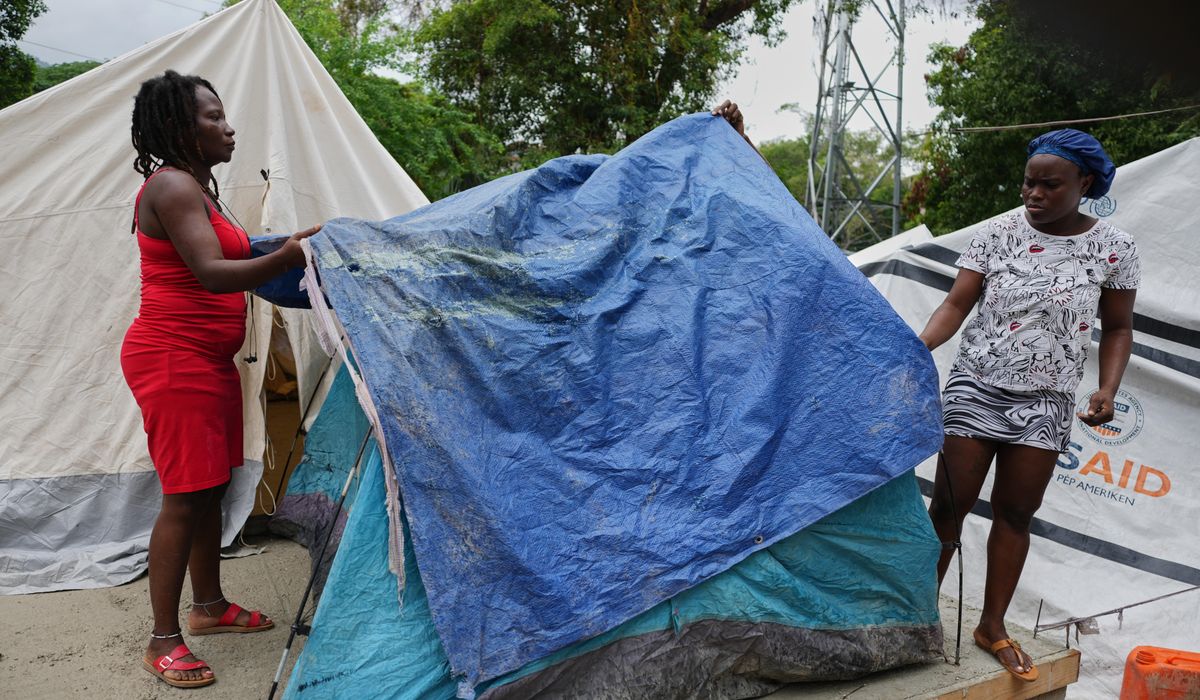
Tropical Storm Melissa sat nearly still in the central Caribbean as forecasters warned it could soon intensify and skim past Jamaica as a strong hurricane, bringing dangerous winds, heavy rain, and powerful surf to islands across the region. Officials and residents are watching shifting forecasts, preparing for flash flooding and coastal impacts while grappling with uncertainty about the storm’s exact track and speed. The situation is dynamic and communities are being urged to stay alert to new updates.
Melissa’s slow movement is a major concern because it increases the chance of prolonged heavy rainfall over the same areas, which raises the risk of flash floods and landslides in mountainous terrain. Even without a direct landfall, the system can produce dangerous flooding inland and persistent coastal waves that batter shores for hours. Emergency managers are focused on potential rainfall totals and how saturated soils from prior storms might worsen runoff and flood damage.
Forecast models differ on the storm’s future, with some showing a more direct approach toward Jamaica and others suggesting a path that keeps the center offshore while still delivering strong winds and rain bands. This kind of model spread is common with slow-moving tropical systems, and it means communities must prepare for a range of outcomes. Local authorities typically base preparations on the worst reasonable scenario to avoid getting caught off guard if the storm strengthens more than expected.
Sea surface temperatures across the central Caribbean remain warm enough to support strengthening, and the atmospheric environment is currently favorable in key ways such as moderate wind shear and adequate moisture. Those conditions could allow Melissa to build around a tighter core and increase its sustained winds, elevating the threat to islands directly in or near its path. However, any increase in wind speed will be closely tied to how organized the storm becomes and whether it begins to accelerate.
Coastal communities should expect elevated tides and dangerous surf well ahead of any close pass, with the greatest wave action on exposed shores and low-lying areas. Even smaller craft far from the center can face treacherous seas, and beaches may see rip currents that persist for days after the main storm system moves on. Residents who live near the water should consider moving vehicles and valuables to higher ground and avoiding shoreline exposure during the height of the event.
Infrastructure and power disruptions are likely in areas that experience the strongest winds and heaviest rainfall, especially where trees and utility poles are vulnerable. Emergency services prepare for rapid response to downed lines and blocked roads, but heavy rain and landslides can slow restoration efforts and limit access. Utility companies and local governments often advise residents to have at least several days of supplies, including water, nonperishable food, flashlights, and medications.
Evacuations or sheltering orders could be issued for flood-prone neighborhoods or coastal zones if forecasts show a tightening risk of severe impacts, and residents should heed local guidance without delay. Shelters may be set up with basic provisions, but space and resources can be constrained, so early action helps reduce strain on emergency systems. People with mobility issues, medical needs, or limited transportation should make plans now for assistance if movement becomes necessary.
Beyond immediate safety, communities also face recovery challenges after a significant tropical cyclone, from clearing debris to repairing homes and restoring services. Insurance, emergency funds, and community support networks play important roles in bouncing back, but prevention and preparedness remain the best defenses against severe harm. Officials emphasize that even a glancing blow from Melissa could require days or weeks of cleanup and support for affected residents.
As forecasts continue to evolve, clear communication from weather agencies and local authorities will be essential for effective preparation and response. Stay tuned to official updates from meteorological services and follow instructions from local emergency managers, who will refine guidance as the storm develops. Remaining informed and taking early protective steps reduces the chances of unnecessary harm as Melissa moves through the central Caribbean.

