

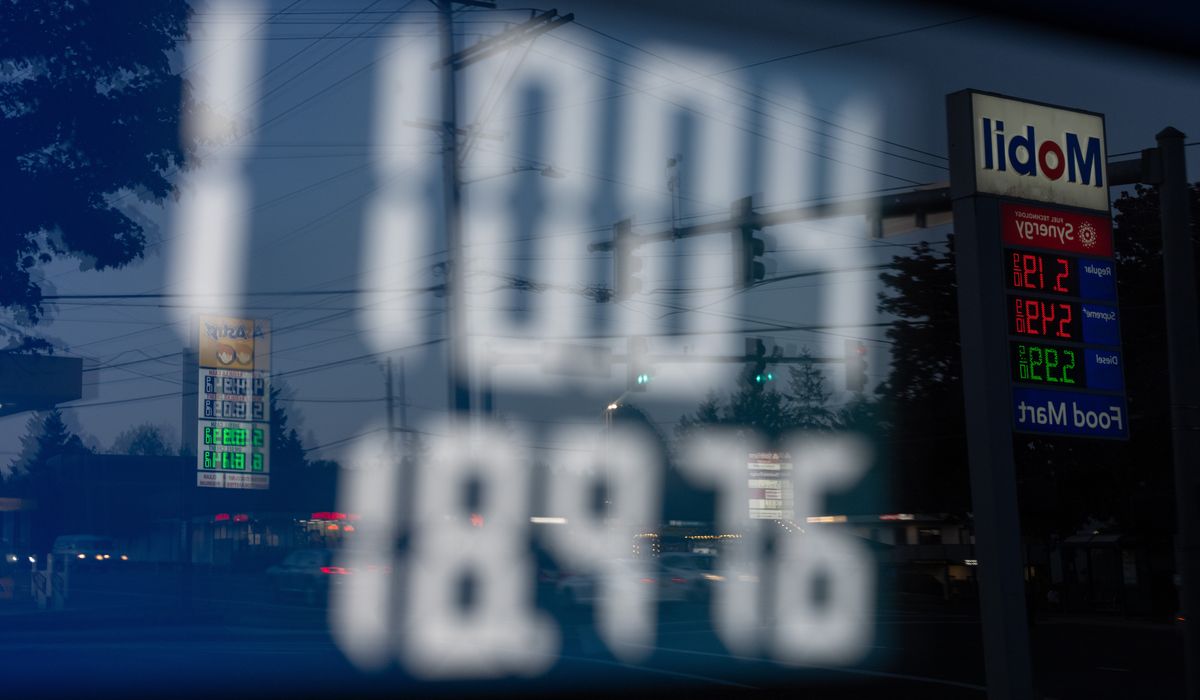
American oil and gas giants posted massive spring profits even as clashes between Iran and the U.S. disrupted shipments, pushed fuel prices higher, and left consumers around the world facing tighter supplies and higher costs.
Big oil recorded unusually large gains in the spring months while global petroleum flows were squeezed by tensions in the Middle East. Those profits arrived at the same time that tanker routes were interrupted and insurance and freight costs rose, making it harder to move crude and refined products where they were needed. Consumers felt the squeeze at the pump and in household budgets as a result.
When shipping lanes become risky and insurers flag vessels, the cost to transport crude and refined fuel rises fast, and those extra costs show up in retail prices. Refiners and traders respond to higher spot prices by prioritizing the highest-margin cargos, which can leave some markets short. The net effect is a volatile price environment that benefits holders of supply while punishing end users.
U.S. oil and gas firms were positioned to profit because they control production, storage, and refining capacity that becomes more valuable during disruptions. Corporate results reflected months when margins widened on both crude and refined products, and those gains became headline numbers investors celebrated. Meanwhile, families and small businesses faced sticker shock and real pain from higher transportation and heating bills.
From a Republican standpoint, this is a predictable outcome when the country remains too exposed to foreign chokepoints and geopolitical risk. Energy should be an instrument of national strength, not a recurring vulnerability that hands windfalls to private firms while households absorb the cost. The policy question is whether to reduce exposure by expanding reliable domestic supply or to leave the market dependent on unstable regions.
Market fixes alone do not always resolve shortfalls quickly. Building new refining capacity, pipelines, and storage takes time and capital, and regulatory uncertainty can delay investment. Making it easier to permit infrastructure, and ensuring clear, consistent rules for energy projects, helps companies plan long-term investments that increase supply and stabilize prices.
There is also a transparency issue. When profits spike because of tight markets and geopolitical shocks, citizens want to know how much of that gain reflects long-term investment versus short-term trading advantages. The response from policymakers should focus on improving market signal clarity and ensuring competitive markets rather than punitive measures that could deter needed investment in energy infrastructure.
Ultimately, the mix of geopolitics and corporate strategy will keep energy prices sensitive to global events. If lawmakers favor stronger domestic production and less regulatory drag, that will change how future disruptions translate into pump prices and profits. The debate is about whether to strengthen U.S. energy independence so voters keep more of their incomes when trouble erupts overseas.

