

Notre Dame’s relationship with its Catholic mission has long been unsettled, and that tension shapes decisions, campus culture, and how the university presents itself to students and the public.
The tension over Notre Dame’s Catholic identity isn’t new; it’s been present for decades and shows up in policy choices, public statements, and institutional priorities. That wavering reflects competing demands: academic reputation, donor expectations, student life, and the commitments of a religious foundation. Those forces push and pull the university in different directions, often leaving its core mission ambiguous.
Faculty and administrators often describe a desire to balance rigorous scholarship with religious commitments, but the balance is tricky. Academic freedom encourages open inquiry and diverse viewpoints, while a clear Catholic mission calls for fidelity to certain teachings and traditions. Navigating both without clear boundaries invites confusion among students, staff, and alumni.
Students arrive expecting a campus shaped by Catholic values, yet they also expect a modern, pluralistic education. That mix can create mismatched expectations when classroom conversations or campus events clash with religious norms. The result is a cycle where institutional responses are judged as either too permissive or too restrictive, depending on who is watching.
Donors and trustees are another crucial angle in this story, since financial support often comes with expectations. Some supporters want a strong, unmistakable Catholic identity, while others prioritize prestige, research, and athletic success. Those competing priorities influence hiring decisions, curricula, and the public image the university cultivates.
Church leaders and bishops can also exert pressure, calling for clarity about faith-based priorities and institutional alignment with Church teachings. When diocesan authorities voice concerns, it forces the university to reassess its practices and public messaging. Those moments reveal how intertwined ecclesial oversight and academic autonomy can be in practice.
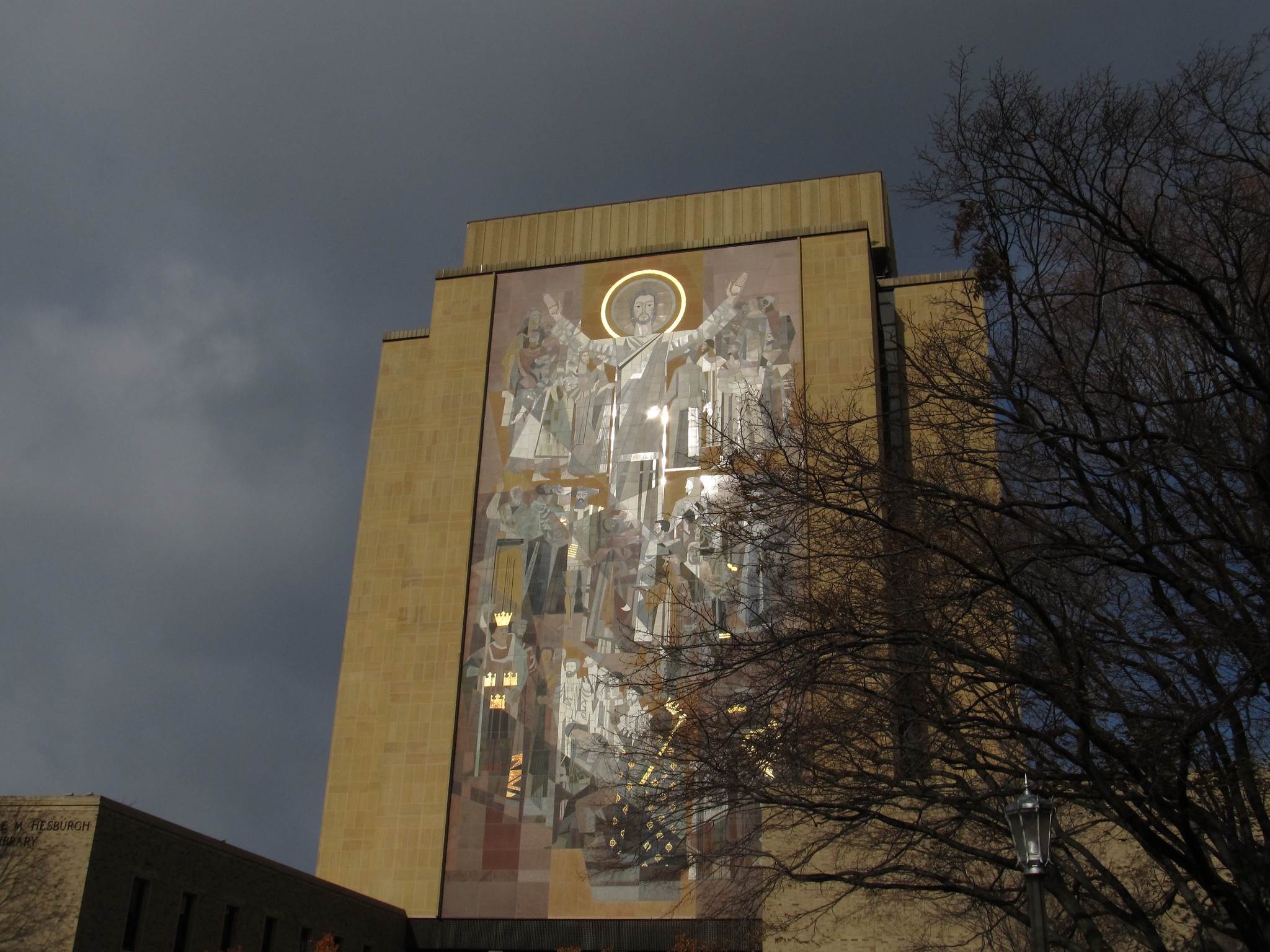
Campus rituals and symbols offer an immediate, visible picture of identity, yet they also raise questions about inclusivity. Masses, chaplaincy services, and religious iconography support a Catholic culture, but they may feel peripheral if institutional policies don’t consistently reflect those values. That disconnect feeds the perception that the mission is more decorative than foundational.
Administrative decisions, from hiring policies to event approvals, often become battlegrounds for the university’s soul. When leaders prioritize reputation or revenue over religious commitments, critics say the mission is being sidelined. Conversely, strict adherence to doctrine can create tensions with faculty governance and academic standards.
Students who want a robust Catholic formation may find themselves seeking faith opportunities outside formal curricula, while others expect the university to adapt to contemporary social norms. That split breeds varied campus subcultures: some deeply rooted in Catholic practice, others less connected to institutional religion. The coexistence of those groups is manageable, but it requires clear values and consistent leadership.
Communication plays a big role in how the university is perceived. Mixed messages from administrators, inconsistent enforcement of policies, and vague mission statements all contribute to the sense of wobble. Clear, candid explanations about choices would reduce speculation and build trust across constituencies.
Academic centers, faculty lines in theology and ethics, and dedicated formation programs can anchor a coherent Catholic mission if they are well supported. Investment in those areas signals a real commitment beyond rhetoric, shaping both curriculum and campus life. Absent that, Catholic identity risks becoming symbolic rather than substantive.
Alumni reactions matter too; graduates judge the university by how it preserves or shifts its identity over time. When alumni see a steady commitment to faith-based values, they tend to stay engaged and supportive. When they perceive drift, their trust and financial support can wane, complicating long-term planning.
Finally, prospective students and their families look for clarity when choosing a school. A clear statement of mission and consistent practices help families decide if Notre Dame is the right fit. Ambiguity often pushes applicants to other institutions that better match their expectations.
There is no single fix for this long-running tension, but Notre Dame’s choices going forward will determine whether its Catholic mission is central and coherent or diffuse and reactive. The university’s leaders will keep weighing competing priorities and deciding which direction to take, with consequences that will ripple across campus life and beyond.

