

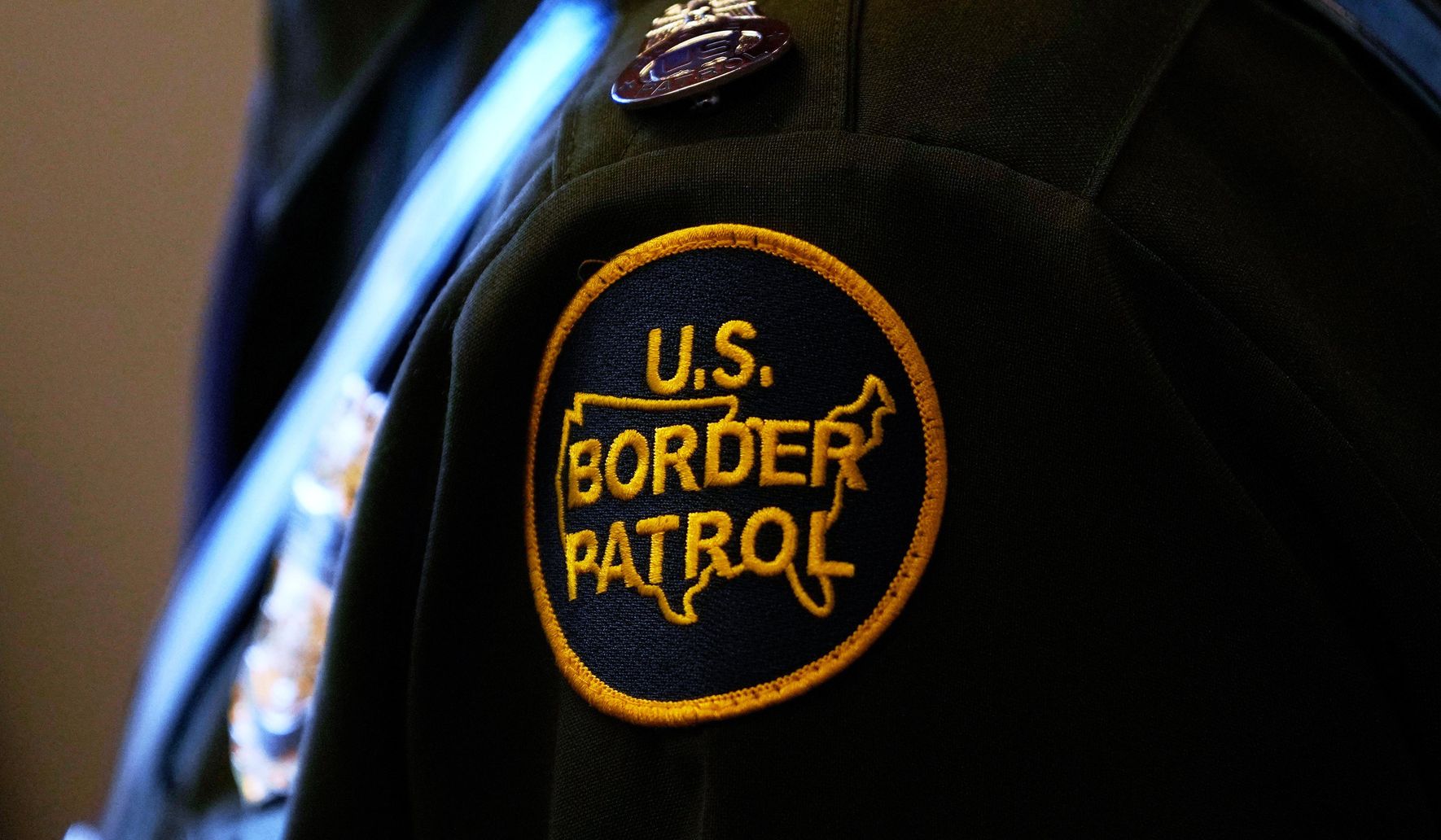
A person was shot and is in critical condition following a shooting that involved Border Patrol near the U.S.-Mexico border in Arizona on Tuesday. The incident immediately sharpened debates over border security, law enforcement conduct, and the need for clear facts.
Officials confirmed the shooting occurred near the U.S.-Mexico border in Arizona on Tuesday and that one person was left in critical condition after the encounter with Border Patrol. Local law enforcement is involved and federal authorities typically review any use-of-force incidents involving Border Patrol agents. At this point, details are limited and investigators say determining what happened will take time and careful work.
From a Republican perspective, the starting point is support for agents who face unpredictable danger on the line every day. Border Patrol officers work in hard, remote conditions and must make split-second decisions to protect lives and stop smuggling and violent criminal activity. That support does not mean ignoring accountability, but it does mean recognizing the risks agents face and backing policies that let them do their jobs safely.
Law enforcement insiders and community leaders will demand a transparent review, and Republicans typically press for independent oversight combined with protections for officers acting within policy. The public wants answers about who was involved, what led to the shooting, whether de-escalation was attempted, and whether the response matched established rules of engagement. Transparency matters to restore trust and to prevent misinformation while the investigation proceeds.
Border security is not just an abstract policy debate; it directly shapes what happens in places like Arizona every week. Persistent illegal crossings, cartel activity, and smuggling routes put pressure on agents and on local communities, creating tense encounters that can escalate quickly. Conservatives argue that weak border policies and lack of sufficient personnel and technology create dangerous situations that can result in loss of life or serious injury.
Republican officials will likely push for faster deployment of resources, more manpower along busy border sectors, and upgraded surveillance tools so agents can act with better information. Training for threat assessment and nonlethal options also comes up in these conversations, aimed at reducing the chances of shootings while preserving agents’ ability to respond to clear threats. Policy fixes that back law enforcement and close gaps at the border are a major part of the inevitable political response.
Arizona hospitals and first responders often absorb the immediate human cost of border incidents, and local communities want assurance that emergency systems worked and that victims received prompt care. Families and neighbors will be watching every step of the inquiry and demanding clarity about why force was used and whether alternatives were available. Officials will also have to manage community relations so that tensions do not worsen while facts are still being established.
On the legal side, investigations will consider eyewitness accounts, body-worn camera footage if available, agent statements, and forensic evidence from the scene. Republican voices tend to insist on a thorough probe that protects due process for law enforcement while holding anyone who violated policy or the law accountable. The process should be swift enough to answer public concerns yet thorough enough to withstand scrutiny in court or oversight hearings.
Expect political responses to follow quickly, with calls for both better protections for agents and stronger measures to secure the border itself. Elected officials will use the incident to argue for their preferred mix of border policy, oversight, and funding. As this case moves through investigative channels, the focus should be on facts, on fair treatment for everyone involved, and on preventing similar tragedies through policy and operational changes.

