

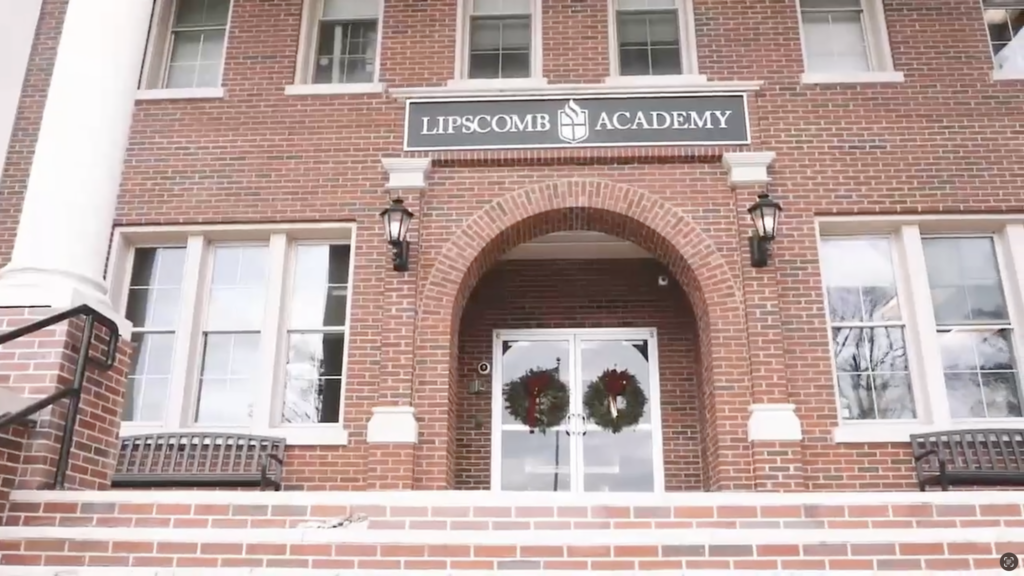
Parents say a school policy is being used to quiet critics who worry about a private school’s theological direction, sparking concerns about free speech, religious liberty, and parental rights.
Parents around the private school have spoken up, saying the new policy feels like a gag. They argue it targets people raising questions about the school’s theological choices and community standards. Those parents see the rule as a deliberate way to shut down debate rather than address concerns.
The central complaint is simple: when a private institution sets rules that chill criticism, it undermines accountability. Families want a place where they can ask honest questions about doctrine and practice without fear of reprisal. For many, the issue cuts to the core of parental authority and the right to protect a child’s moral and spiritual formation.
From a Republican perspective this is about basic liberties: freedom of speech and freedom of religion. Private schools should be allowed to teach according to their conscience, but that does not justify muzzling parents who disagree or ask for clarity. Public trust depends on transparency, and parents expect schools to answer tough questions openly.
Critics of policies like this point out that vague rules are the most dangerous. A policy worded to sweep broadly can be applied selectively against dissenters while leaving friendly voices untouched. That kind of selective enforcement creates an uneven playing field where the only safe option is silence.
There are practical consequences when parents feel cut out of the conversation. Families may stop volunteering, withdraw support, or pull their children from the institution altogether. Those are predictable outcomes when trust dissolves and dialogue disappears.
It is also important to separate criticism of school policy from attacks on the school’s faith identity. Questioning how doctrine is taught, how teachers are vetted, and how discipline is applied are reasonable concerns for any parent. Framing those questions as hostile or disloyal is a rhetorical tactic that shuts down legitimate oversight.
School leaders will often say they need order and unity to fulfill their mission, and that’s fair. But order should not be an excuse for avoiding accountability. A healthy institution can welcome critique and still maintain a coherent theological vision without punishing those who raise hard issues.
Legal and cultural lines matter here too. While private organizations enjoy significant latitude, they do not get a free pass to trample on basic civil liberties or parental expectations. When policies become tools for silencing, they invite scrutiny from families and the broader community.
Dialogue is the practical fix people keep asking for: clear explanations of policy language, predictable enforcement standards, and open forums where concerns are heard without fear. Those steps do not weaken a school’s identity; they strengthen it by restoring trust. Parents who want to protect their children’s spiritual upbringing deserve straightforward answers, not vague threats of discipline.
Schools that rely on goodwill should remember that goodwill is earned, not assumed. Accountability, transparency, and mutual respect are the real foundations of a lasting relationship between families and educational institutions. When those elements are missing, rumors and resentment will fill the vacuum, and that is bad for everyone involved.

