

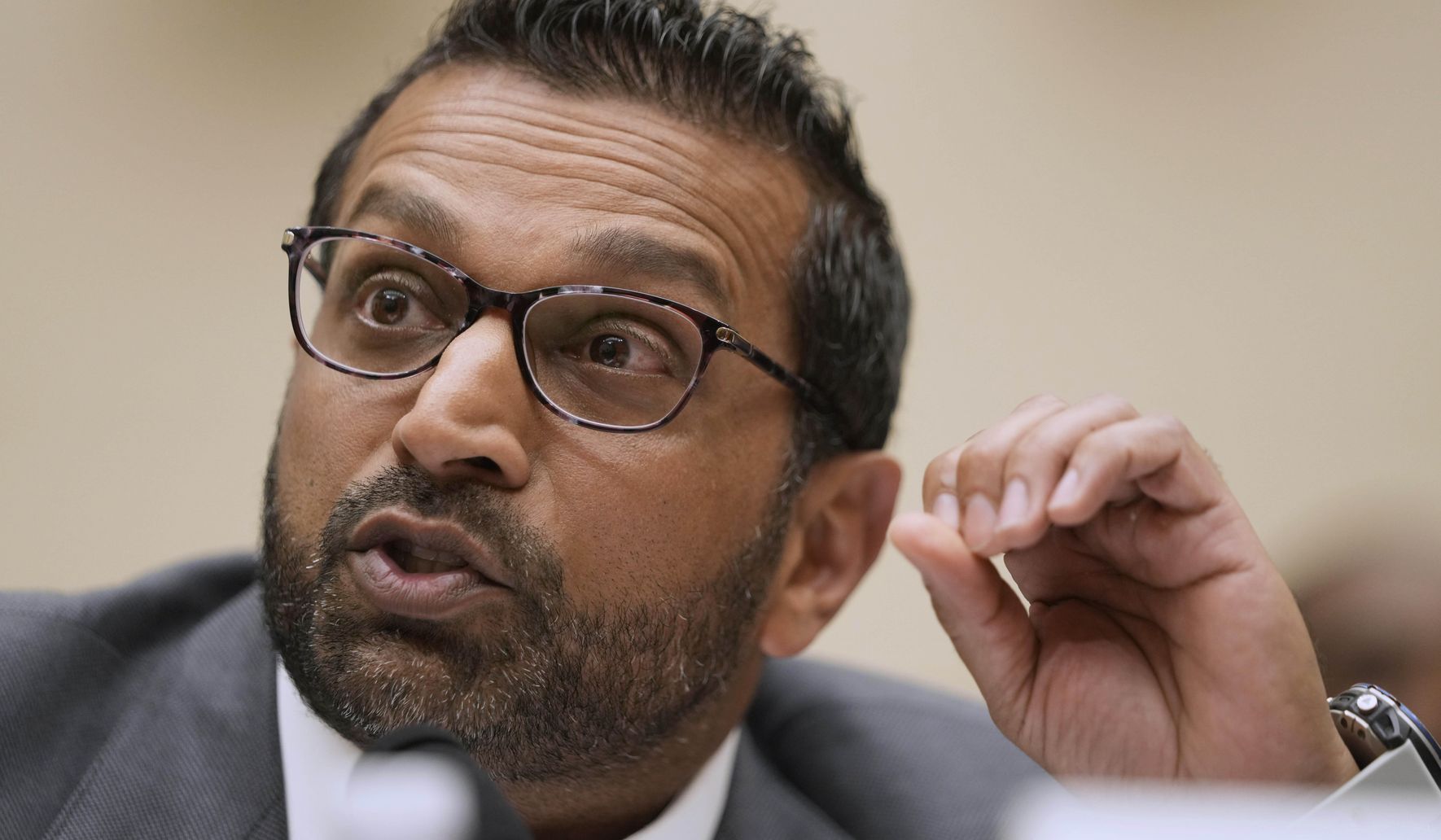
FBI Director Kash Patel and CIA Director John Ratcliffe urged Senate GOP on Wednesday not to allow a key provision of the federal surveillance law to lapse next month, emphasizing the national security risks of inaction.
FBI Director Kash Patel and CIA Director John Ratcliffe went to Senate Republicans with a clear warning: letting a central part of federal surveillance law expire next month would undercut tools used to track foreign threats. They made their point on Wednesday, pressing lawmakers to keep the authority in place rather than gamble with intelligence capabilities. That choice now sits with the Senate GOP as the deadline approaches.
The officials stressed operational consequences for both counterterrorism and counterintelligence missions, framing the issue as practical and urgent rather than academic. From their perspective, gaps in the law would create blind spots at a time when adversaries are moving fast and exploiting any weakness. Saying so publicly signals a push for lawmakers to prioritize security over politics.
Republicans in the Senate increasingly view the debate through the lens of clear tradeoffs: preserve proven surveillance authorities or accept greater risk to Americans. Many GOP senators have long argued that robust tools give investigators a timely edge against foreign actors targeting the United States. That argument gained fresh life with two high-profile intelligence leaders making the case directly to Republican lawmakers.
Critics will rightly note civil liberties concerns and demand oversight, and those points matter. But the practical question the directors posed is simple: do we want investigators to have what they need to prevent attacks and espionage, or do we invite avoidable vulnerability? In their meeting, Patel and Ratcliffe focused on the immediate operational fallout if the provision lapses without a replacement or bridge.
Lawmakers face competing pressures, including constituents worried about privacy and rival political priorities inside the Senate. Yet the arguments from the intelligence side underscore an essential duty of government—to protect the country and act on credible threats. When national security is at stake, the decision is not abstract, and timing matters with a looming deadline next month.
There are procedural paths senators can take to keep authorities active while working on reforms, and those options are part of the conversation. Republicans who want stronger oversight can pursue clearer accountability measures while maintaining the tools investigators depend on. The directors’ visit made clear that operational continuity and targeted reforms can coexist, but only if Congress moves responsibly and promptly.
For voters and policymakers who prioritize safety, the message was direct: do not confuse the need for reform with an excuse to dismantle essential capabilities. Patel and Ratcliffe laid out consequences tied to real-world missions, not theoretical debates. Their testimony to Senate Republicans was both a warning and a request for steady action before the law’s provision lapses.
The coming weeks will test whether lawmakers translate those warnings into policy that balances oversight with operational effectiveness. Senate Republicans now carry a heavy responsibility to decide whether to extend authorities and shape reforms that preserve security without ignoring civil liberties. The debate will be loud, but the deadline leaves little room for delay, and the choice will have immediate implications for intelligence and law enforcement work across the country.

