

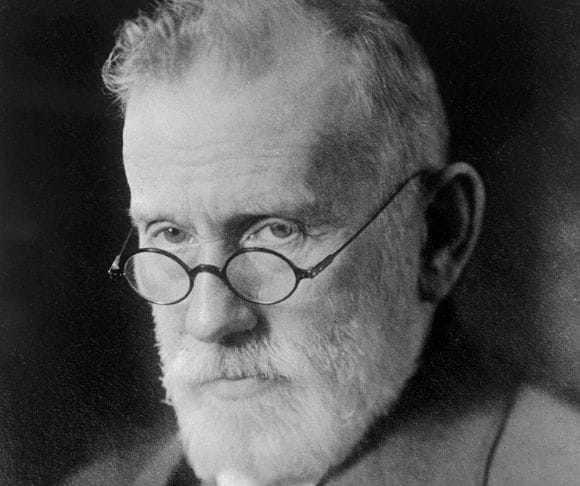
Paul Ehrlich, the author of 1968’s The Population Bomb, died on March 13 at age 93, leaving a legacy that split opinion for 58 years; his dire forecasts pushed environmental questions into the open while also fueling debates over alarmism and policy overreach.
Paul Ehrlich’s book landed at a tense moment in American life and immediately grabbed headlines with stark predictions about overpopulation and looming scarcity. He warned of mass starvation, economic strain, and social breakdown if population trends continued unchecked. Those vivid claims made The Population Bomb a cultural touchstone that still provokes strong reactions.
Supporters credit Ehrlich with forcing public attention onto environmental risks at a time when those risks were often ignored. His rhetoric helped launch conversations about conservation, pollution, and sustainability that many consider necessary. At the same time, his most specific forecasts about imminent collapse did not come true in the way he predicted.
Critics pointed out that technological progress and market responses altered the trajectory Ehrlich described, with agricultural innovation, better distribution, and falling real food costs easing many of the pressures he foresaw. Economists and conservative thinkers stress that prices, property rights, and entrepreneurship tend to solve scarcity problems better than top-down mandates. From that perspective, alarmist predictions can lead to harmful policy choices that restrict liberty without fixing the underlying problems.
One real concern is how population alarmism can be used to justify coercive measures in other countries, where authoritarian governments sometimes took population rhetoric as a license for harsh interventions. While Ehrlich himself operated in academic and public-policy circles, the broader movement around population control had consequences that raised ethical red flags. Conservatives argue that voluntary, market-friendly incentives beat coercion and keep individual rights intact.
Policy responses inspired by population anxiety often prioritized regulation and centralized planning, which can stifle innovation. A Republican viewpoint favors empowering people through property rights, economic freedom, and technological development so that markets and private actors drive solutions. That approach worked in agriculture and energy over the past half-century, where innovation expanded supplies and cut costs more effectively than command-and-control programs.
Still, it would be wrong to paint Ehrlich as irrelevant. His alarm brought attention to pollution, species loss, and habitat destruction—real issues that deserve pragmatic attention. Conservatives can accept sound environmental stewardship while rejecting pessimistic fatalism and heavy-handed government. The lesson many take is to address real risks with policies that respect human dignity and incentivize better outcomes.
The practical takeaway centers on humility and incentives. Predictions about complex systems are often wrong, so policy should be adaptable, data-driven, and respectful of market signals. When people are free to innovate and trade, they frequently find ways to stretch resources and reduce environmental harm without sacrificing prosperity.
Ehrlich’s death marks the end of a controversial chapter, but the debate he helped ignite continues. The clash between alarm-driven regulation and market-oriented problem solving remains central to how we handle environmental challenges, and that contest will shape both policy and public opinion for years to come.

