

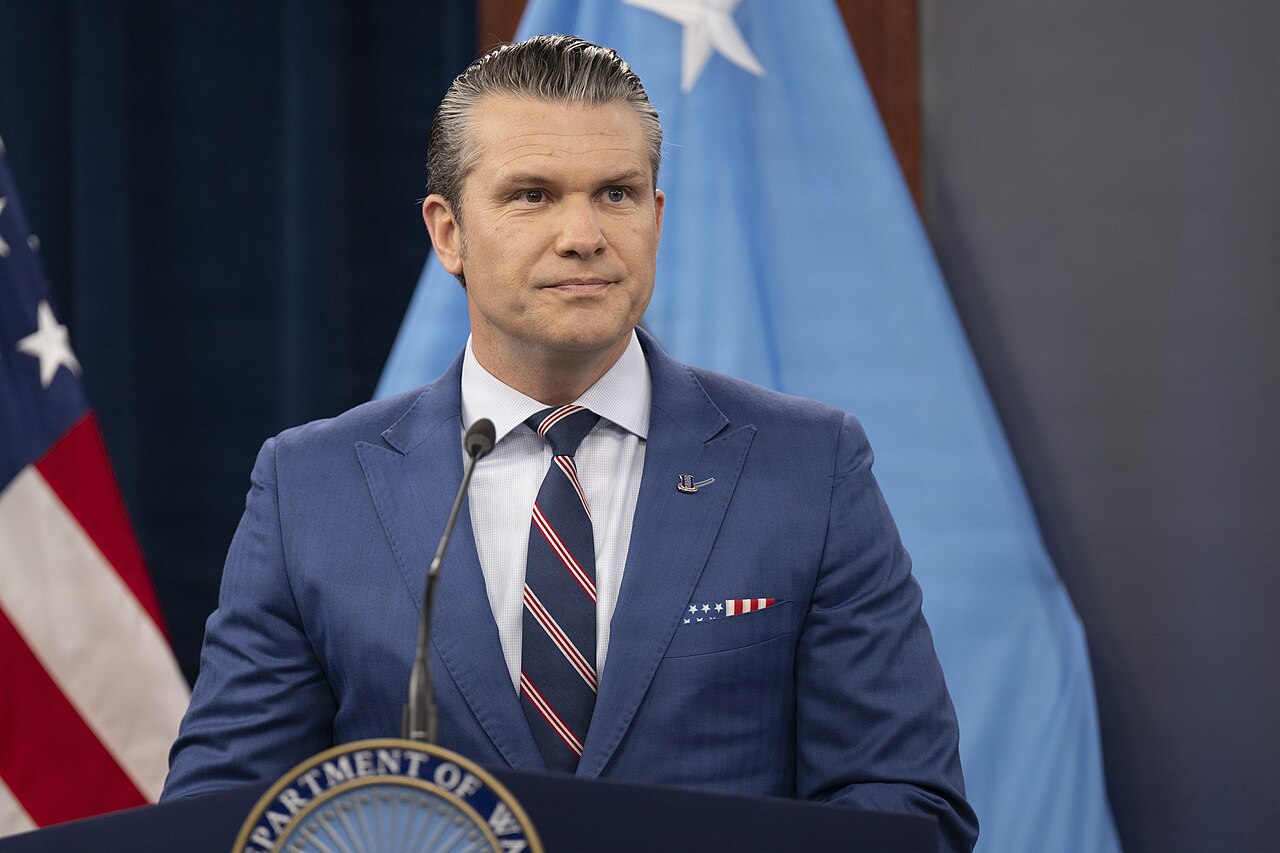
The Pentagon has announced a new task force to address ideologies infiltrating military education, aiming to sharpen officer training and reinforce the republic’s founding principles.
The Department of Defense is forming a dedicated task force to identify and remove neo-Marxist ideas from U.S. war colleges, War Secretary Pete Hegseth announced on Thursday. The effort is framed as a return to classical military education and a commitment to preparing leaders to face real-world threats. This move signals a push to realign professional military education with traditional strategic objectives and core civic values.
Hegseth made the case for officers steeped in the republic’s founding principles when he said, “We want military leaders who are critical thinkers; that have studied the principles upon which our Founding Fathers established this republic; and that are educated and prepared to win wars,” Hegseth. That sentence sits at the center of the announcement and sets the tone for the task force’s priorities. He emphasized intellectual rigor, historical literacy, and operational readiness as the standard.
Republican leaders in and out of uniform have long argued that ideologically driven curricula can dilute combat effectiveness, and this task force responds directly to those concerns. The Pentagon plans to audit syllabi, recommend changes to reading lists, and evaluate faculty choices where political indoctrination appears. Supporters say the aim is not censorship but to ensure education serves national defense, not partisan agendas.
War colleges are meant to produce commanders who can think strategically under pressure, assess complex operational environments, and make timely decisions. Critics contend that when the focus shifts toward social theory rather than strategy, training quality suffers and cohesion weakens. The task force will reportedly prioritize core subjects like strategy, logistics, history, and ethics to restore balance and practical focus.
On practical terms, the new team is expected to propose clear standards for courses and recommend oversight mechanisms that keep instruction accountable to military objectives. That could include peer reviews, standardized curricula, and performance measures tied to warfighting outcomes. Backers argue this kind of accountability will improve officer development and strengthen unit readiness across the force.
There will be pushback from those who see academic freedom as paramount and worry the military is overreaching into scholarship. The Republican perspective driving the announcement rejects that framing, insisting the military’s mission supersedes ideological experimentation when it undermines readiness. The argument is straightforward: service academies and war colleges exist to prepare leaders to win, not to promote political theory that divides units and distracts from mission-focused instruction.
Implementation details will determine whether the task force achieves lasting change or merely produces noise. Success will depend on buy-in from senior military educators, transparent criteria for curriculum reviews, and a steady commitment from Defense leadership to follow through. The announcement sets expectations that future officer cohorts will leave professional schools with stronger grounding in strategy and a clear sense of the military’s constitutional role.
Ultimately, the initiative signals a broader cultural reset inside the military education system, one that favors a discipline-centered approach to preparing leaders. It stakes a claim for an education that prizes practical skills, historical perspective, and allegiance to the constitutional order. That combination, supporters say, will better equip the next generation of commanders to face the threats ahead and preserve the republic they are sworn to defend.

