

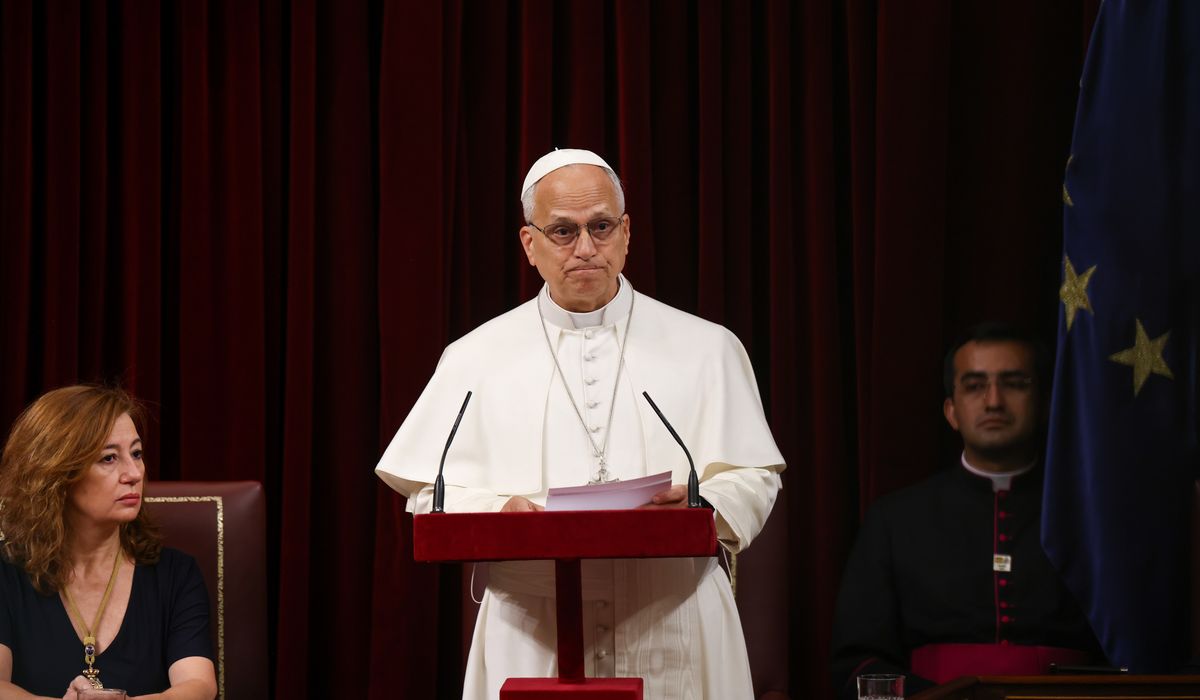
Spanish lawmakers gave Pope Leo XIV a standing ovation on Monday after he called for respect for migrants’ rights and international law in a historic address to parliament that signaled a new level of engagement between the Vatican and Spain.
The scene in parliament was striking: elected officials rose together to applaud a pontiff who urged respect for migrants’ rights and adherence to international law. That reaction tells you something about the symbolic weight of his visit and the audience he addressed. For Republicans, symbolism matters, but it should not replace practical policy.
Pope Leo XIV used the pulpit of a national legislature to press for humane treatment of migrants and a rules-based approach to migration. Those are broadly acceptable goals, but they sit alongside other legitimate public priorities like secure borders and orderly systems of entry. The balance between compassion and control is where real debate should happen.
Spain’s political establishment responded warmly, and that applause reflects a consensus in parts of Europe about migration policy and international norms. Yet applause in a chamber does not settle the hard questions of enforcement, resources, and local impacts. Voters expect lawmakers to turn moral statements into policies that protect citizens as well as newcomers.
Republicans can acknowledge the moral call for treating migrants humanely while insisting that sovereign nations must manage flows on their own terms. That means firm border controls, clear legal processes, and swift deportation for those who fail to qualify for protection. Humane treatment and robust enforcement are not mutually exclusive; they are both necessary.
The Vatican’s emphasis on international law is important, but international agreements need to respect national prerogatives and democratic consent. Treaties and conventions should not become excuses for open borders or for overriding domestic policy choices. Countries must retain the ability to prioritize their own security and social cohesion.
Spain faces practical challenges: integrating newcomers, funding social services, and maintaining social harmony. Those challenges fall to national and local leaders, not just moral authorities. Citizens rightly ask how many, how fast, and at what cost, and they deserve concrete answers.
Faith leaders can shape public opinion and encourage generosity, but they operate in a different role than elected officials. Pastors and bishops speak to conscience; governments answer to law and voters. Recognizing those separate roles keeps debates honest and accountable.
The pope’s visit also highlights a wider European discussion about migration routes, rescue operations, and partnerships with countries of origin. Any sustainable approach must involve regional cooperation, smarter border technology, and targeted development initiatives. Those practical steps complement humanitarian appeals and reduce pressure on frontline states.
For Republicans, the policy checklist is clear: secure the border, process claims expeditiously, return those who do not qualify, and support legal pathways that meet labor and humanitarian needs. That framework respects the rule of law while providing orderly, humane treatment for people on the move. It also signals to voters that government is in control.
Public messaging matters: leaders must speak truthfully about both the moral duties toward migrants and the limits imposed by national capacity and rule of law. Overpromising leads to backlash and political polarization, which ultimately hurts both citizens and newcomers. Clear, honest policy wins trust and delivers better outcomes.
Pope Leo XIV’s address and the standing ovation will be replayed in media cycles, but the tougher work remains legislating and enforcing policy. Spain, like other democracies, will need to translate moral appeals into concrete systems that protect citizens and respect human dignity. That is the test of leadership.
In the end, the moment in parliament matters as a symbol, and symbolism can nudge policy conversations in useful directions. Still, respectful rhetoric must be matched by practical laws that secure borders, uphold international obligations, and manage migration sustainably. Voters deserve both compassion and competence from their leaders.

