

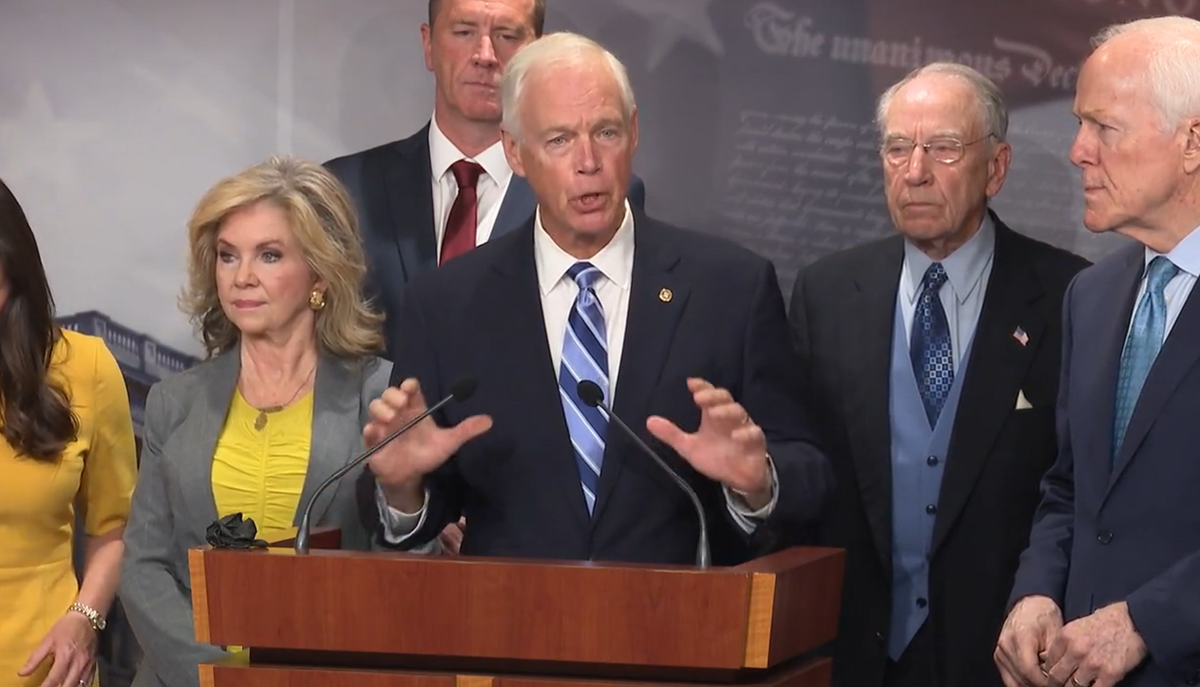
This article examines the Biden-era FBI’s Arctic Frost operation and the Senate Judiciary Committee’s press conference that exposed it, arguing the probe reached deep into Republican and conservative circles and was largely overlooked by major media. It presents the GOP perspective that this was a politically driven effort requiring oversight, accountability, and reform. The piece lays out the implications for civil liberties, press responsibility, and the rule of law.
The central claim is stark: the Arctic Frost operation probed nearly every facet of the Republican Party and the conservative movement. Committee members and witnesses painted a picture of broad surveillance and aggressive tactics that touched campaigns, organizations, and activists. Republicans say the scope and intensity demand serious scrutiny.
At the press conference, one description stood out: “100 times worse than Watergate,” and that line echoed through Republican hearings and commentary. The phrase was used to underscore the perceived scale and audacity of the operation. For many conservatives, that comparison captures why this cannot be swept aside.
Republicans argue the mainstream press largely ignored the committee’s revelations, leaving a gap between what lawmakers uncovered and what many Americans saw on their newsfeeds. That absence, they say, highlights unequal attention to stories depending on political alignment. Observers on the right call it a failure of the media to hold power to account when the targeted subjects are conservatives.
The committee presented testimony, documents, and timelines intended to show how investigations were opened and expanded. Republican members emphasized patterns they say point to political targeting rather than neutral law enforcement. The public release of evidence is meant to force a conversation about motive and oversight.
Legal experts aligned with GOP concerns warned that tactics reportedly used during Arctic Frost could chill political participation and free speech. When citizens fear investigation for their political associations, engagement drops and democracy suffers. Republicans used that argument to press for limits on investigative discretion.
Accountability, as Republicans frame it, goes beyond headline-grabbing claims and into structural fixes for the agencies involved. They advocate reforms to ensure searches, subpoenas, and other intrusive tools are subject to clearer standards and independent review. The goal is to prevent future operations from targeting political groups under a veneer of legality.
The press conference also raised questions about internal communications and coordination within the FBI and between agencies. Republicans want to know who authorized which steps and what safeguards were ignored. Transparent records and testimony are central to their demands for answers.
Many GOP lawmakers argued that ignoring this episode sets a dangerous precedent: if left unchecked, law enforcement could become a blunt instrument against political opposition. They framed Arctic Frost not as an isolated misstep but as a symptom of deeper institutional bias. That framing drives their push for legislative and oversight responses.
Conservatives also called out social and legacy media for their role in shaping narratives before and after investigations. The complaint is familiar: platforms decide what matters, and their editorial choices can minimize government misconduct when it implicates left-leaning officials. Republicans insist that even-handed coverage is essential to democratic accountability.
Practical steps suggested by GOP members included audits of investigative practices, strengthened whistleblower protections, and criminal referrals where evidence suggested unlawful acts. Those measures reflect a strategy to combine public hearings with concrete legal and policy remedies. Republican leaders framed those ideas as the next move rather than mere rhetoric.
As the story moves from press conference to committee actions and possible litigation, the partisan divide over Arctic Frost will shape the political fallout. Republicans expect this to be an issue in campaigns, judicial nominations, and oversight battles. For many on the right, exposing perceived abuse of power is both a legal imperative and a political one.
The broader point made throughout the hearings was simple and pointed: law enforcement must be strictly neutral when it comes to political activity. Republicans warned that letting investigative agencies stray into partisan territory undermines public trust and the legitimacy of institutions. That warning frames the GOP response and informs their proposed remedies.

