

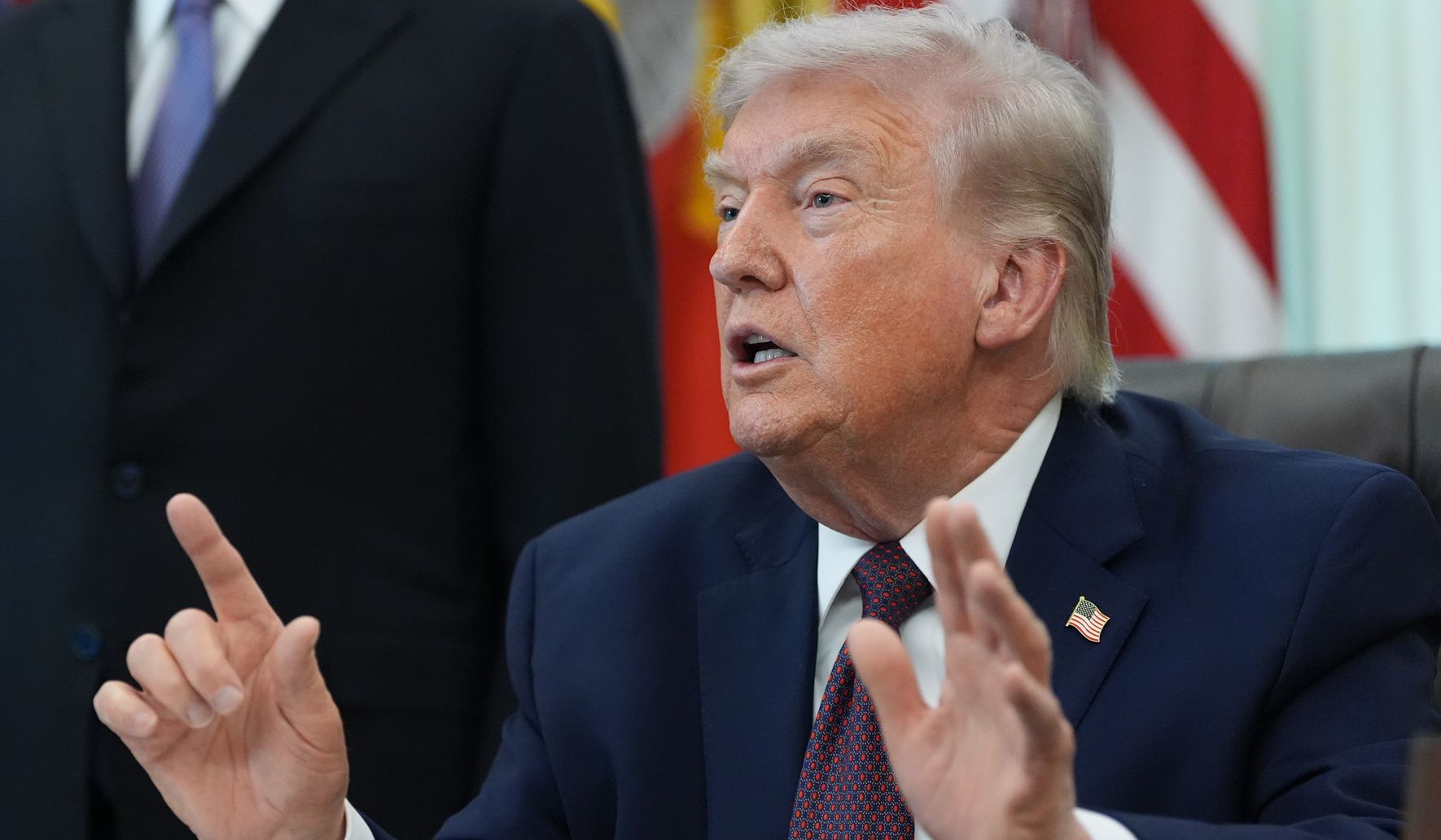
President Trump agreed Tuesday to a two-week suspension of his threat to launch a sweeping bombing campaign targeting Iran’s bridges, power plants, and utilities if they didn’t agree to his
That announcement paused an immediate escalation while keeping maximum pressure in place, and it reflects a deliberate mix of toughness and patience. The administration signaled that the United States remains ready to act if Iran continues its destabilizing behavior, but is also holding open a narrow window for diplomatic movement. Republicans see this as responsible brinkmanship: strong posture backed by a clear timeline.
From a Republican perspective, the pause is proof that pressure can produce leverage without needless bloodshed. Continuing sanctions, targeted strikes on bad actors, and public readiness to defend American interests are tools the president used to force a temporary de-escalation. The core argument is simple: strength plus credible consequences works better than appeasement and endless negotiations.
This two-week window gives policymakers and the public a short, sharp interval to watch Tehran’s next moves, and that clarity matters. Voters and partners alike need to see if Iran changes behavior when faced with real consequences to infrastructure and logistics. If Tehran tests the pause, the United States can respond with calibrated force, sanctions, or further diplomatic isolation.
Critics warned about civilian harm and regional escalation, and those concerns deserve scrutiny, but Republicans argue the president framed his threat narrowly toward strategic targets that degrade regime capability rather than punish ordinary people. The emphasis remains on avoiding prolonged occupation or open-ended conflicts, prioritizing surgical options and precise deterrence. Maintaining that balance is what conservative national security advocates have pushed for: decisive defense, minimal footprint.
Congressional oversight will matter during the suspension, and Republican lawmakers have pushed for a posture that preserves executive flexibility while insisting on clear goals. The administration’s move to announce a defined pause answers calls for a plan and a deadline rather than vague threats. Lawmakers can use that period to demand briefings, review intelligence, and weigh legislative steps that back long-term pressure on Tehran.
Allies in the region and beyond are watching closely, and the temporary pause invites coordination rather than unilateral action. Republicans argue the United States should still lead by example: share intelligence, build coalition measures to choke Iran’s malign activity, and coordinate sanctions so Tehran faces unified consequences. A disciplined, allied approach reduces the risk of miscalculation and preserves American credibility.
On the home front, this episode underscores a conservative preference for predictable outcomes over open-ended rhetoric; the goal is tangible change in Iran’s behavior, not media-friendly declarations. The two-week timeframe forces a test that either produces concessions or justifies further action, which Republicans frame as accountability in foreign policy. That posture aims to protect American lives and interests while avoiding open-ended military commitments.
Expect the administration to keep its military options on the table and to maintain economic and diplomatic pressure if Iran fails to show restraint. The pause is short by design, and its value will be judged by what Tehran does next, not by the announcement itself. For Republicans, this episode is a reminder that firm, principled pressure paired with clear timelines is the most effective route to secure American interests abroad.

