

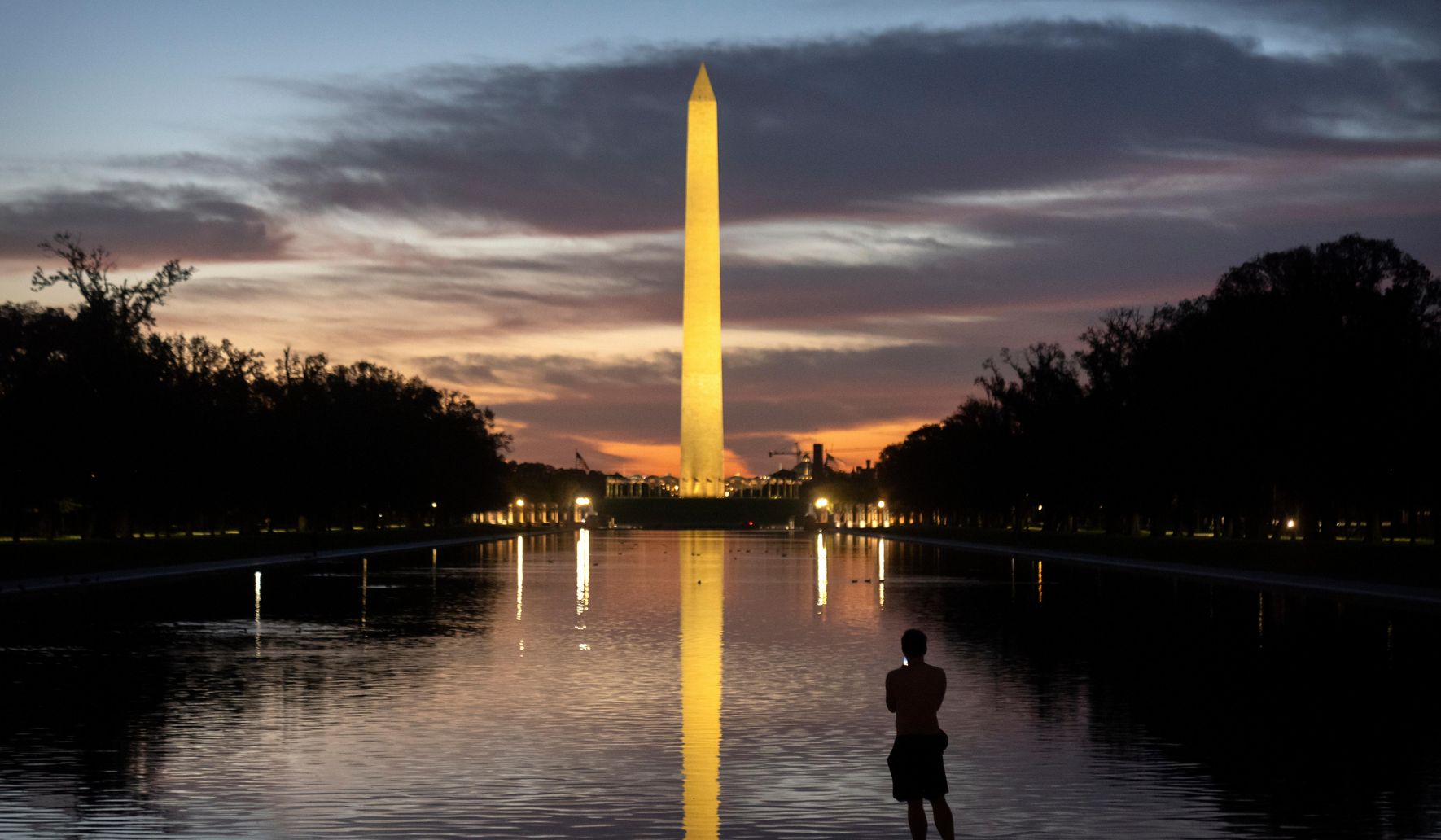
President Trump has seemingly set his sights on a new renovation project — the Lincoln Memorial Reflecting Pool. This article looks at the push to restore a landmark, the politics around it, who pays, and what it means for heritage and jobs. It frames the renovation as a tangible example of priorities that matter to voters who care about history, efficiency, and keeping public spaces impressive.
The idea of fixing the Lincoln Memorial Reflecting Pool is more than a landscaping plan, it is a statement about national pride and stewardship. For many Republicans, investing in visible, meaningful infrastructure projects speaks directly to restoring confidence in government. The pool is a symbolic place where visitors connect with American history, so a clean, functional reflecting pool matters beyond aesthetics.
Officials have pointed to years of deferred maintenance, algae problems, and leaking systems as reasons for action, and those problems make the site both unattractive and costly to keep in use. Renovation advocates argue that timely upgrades prevent bigger bills down the road, and that practical fixes now will extend the pool’s life for decades. That approach aligns with a conservative view that prioritizes efficient spending and long-term value over piecemeal patches.
There’s political theater here too, and President Trump’s involvement makes that clear. His interest turns a public works project into a national talking point, and it forces an honest debate about how Washington allocates money. Republicans can use a concrete project like this to push the case that government should focus on projects with clear public benefit and measurable results.
Funding choices will define how the renovation unfolds, and conservative voices will press for accountability on cost and timelines. Options range from federal appropriations to partnering with private donors and foundations, and each path carries trade-offs about control and speed. A pragmatic Republican stance favors oversight, competitive bidding, and outcomes that deliver public benefit without unnecessary bureaucracy.
There will also be questions about historical integrity, because the Lincoln Memorial Reflecting Pool sits at the heart of the National Mall’s design. Preservation groups and engineers will need to coordinate so repairs honor the original aesthetics while bringing in modern durability. That balance is exactly where conservative stewardship plays well: protecting heritage while ensuring functionality for future generations.
Jobs and local economic impact are part of the equation, and a visible restoration generates short-term construction work and long-term tourism benefits. When the Mall looks cared for, it draws more visitors, supports nearby businesses, and reinforces Washington as a place worthy of respect. Conservatives can point to these direct returns as evidence that well-chosen investments pay off materially and culturally.
Oversight will determine whether the project becomes a model of efficient government or a cautionary tale of excess. Clear benchmarks, transparent contracts, and regular public reporting are practical measures that align with a Republican emphasis on accountable spending. If managed properly, this renovation could be a straightforward win: preserve a national treasure, create work, and demonstrate that government can deliver results when it focuses on the basics.

