

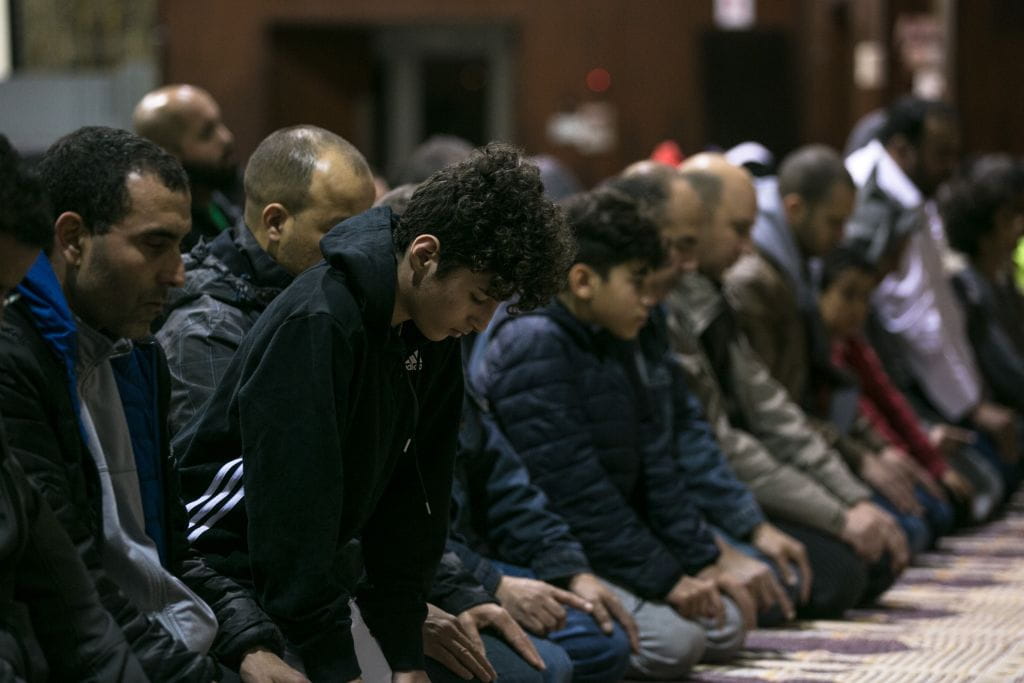
Quebec’s National Assembly approved Bill 9, titled “An Act respecting the reinforcement of laicity in Québec,” creating new limits on public prayer spaces and expanding restrictions on visible religious symbols in publicly funded settings.
The National Assembly of Quebec on Thursday passed Bill 9, “An Act respecting the reinforcement of laicity in Québec,” which bans prayer spaces in public institutions, such as universities, and bars collective prayers in public spaces like parks unless a municipal permit is obtained. The law also expands a prohibition on wearing religious symbols into government-subsidized settings, aiming to tighten the province’s secular framework. Supporters frame this as protecting neutrality in public services, while critics say it restricts basic religious freedoms.
This move marks a clear shift toward stricter enforcement of secularism in public life, and it puts a spotlight on how the state defines neutrality. Universities, long viewed as open forums for belief and debate, now face limits on accommodating prayer and worship in campus facilities. That raises immediate questions about how institutions will balance order and inclusion without turning colleges into ideological battlegrounds.
Requiring permits for collective prayer in parks adds an administrative hurdle that can chill spontaneous religious expression. A permit regime transforms public space from a place of free assembly into a managed activity subject to scheduling and approval. From a Republican perspective this smacks of government overreach, substituting bureaucratic control for simple respect for individual conscience.
Extending bans on religious symbols into government-subsidized areas risks punishing individuals who serve or receive public services while maintaining private religious practices. When the state ties funding to appearance rules, it creates pressure on citizens to conform to a secular dress code even off the clock. That can undermine trust in public institutions and push religious people out of public roles where their voices are needed.
The bill’s text aims to standardize laicity across provincial programs, but legal clashes are likely. Charter challenges and court disputes over freedom of religion and expression are almost certain to follow, which will force judges to weigh collective secular aims against individual constitutional protections. Those cases will define whether this version of secularism is truly neutral or effectively exclusionary.
Practical enforcement is another headache. Who decides when a space is “public” and when an action counts as a collective prayer versus private devotion? Municipalities will be on the front line of policing permits and interpreting vague terms. That gives local officials substantial discretion, which can lead to inconsistent application and accusations of political bias.
The social consequences matter too. Banning visible religious markers in publicly funded settings sends a message about who belongs in civic life. In a pluralistic society that values voluntary associations and robust civil society, excluding religious identity from public-facing roles risks eroding community ties. Republicans generally favor protecting voluntary religious expression rather than letting the state narrow civic participation.
There’s also a reputational cost for public institutions. Universities and service providers that limit religious expression may appear intolerant to prospective students and employees who hold faith-based views. That could worsen divisions and drive polarization, as communities feel shut out by policies that prioritize abstract neutrality over real-world inclusion.
Lawmakers who back Bill 9 argue it clarifies expectations and prevents public officials from displaying partiality, but clarity should not come at the expense of conscience. A better route would be narrowly tailored rules that ensure efficient, impartial public service while protecting individual freedoms. Broad prohibitions that sweep across campuses, parks, and subsidized services are blunt instruments for a nuanced problem.
As the bill takes effect, expect quick legal tests and heated public debate over where to strike the balance between secular governance and religious liberty. Quebec’s move will also be watched by other provinces and by citizens concerned about the role of religion in public life. The coming months will reveal whether this approach secures neutrality or simply substitutes one set of values for another in the name of laicity.

