

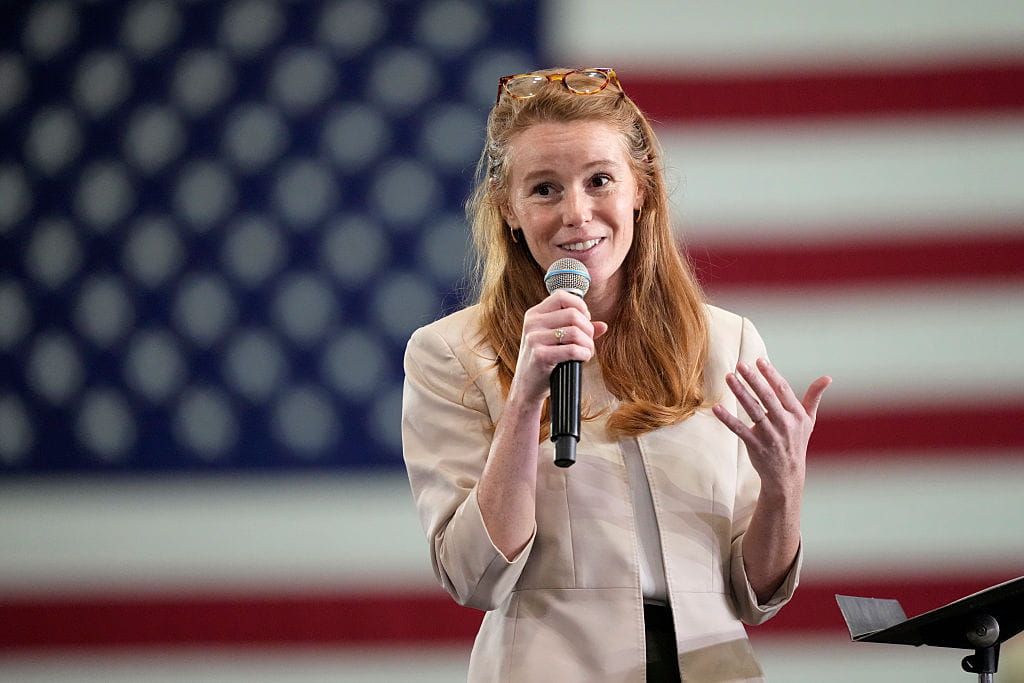
A Wisconsin campaign has paired blue-collar imagery with outside funding and activist networks, producing a contested message about authenticity, voter respect, and the role of big-money influence in local races.
The headline is straightforward: a candidate presented as a working waitress is connected to national activist circles and outside funding that many voters find suspect. This setup invites questions about whether image crafting replaces lived experience in modern campaigns. Voters across the state are paying attention to how political narratives are shaped and sold.
The timing matters. On Sep 3, 2026, the story landed in public attention as grassroots voters compared personal experience to polished campaign portrayals. For many middle Americans, the idea that political operatives can manufacture relatability feels disrespectful. That friction has turned a small local contest into a lens on how political marketing intersects with class and credibility.
There is a simple political reality here from a Republican perspective: voters want honesty, not theater. When campaigns lean on carefully staged biography and outside money to build a blue-collar brand, it can backfire. People who actually work for a living smell the difference between genuine background and a manufactured image focused on fundraising and optics.
The phrase that keeps appearing in conversations is, “Sinister sign when posturing professional activists display disrespect for voters.” That exact line captures the frustration many feel when activists or donors prioritize narrative control over genuine engagement. Respect for voters should be demonstrated through transparency and policy substance, not by masking outsider influence with a blue-collar costume.
Beyond the slogan, there are practical concerns about accountability. When national networks and deep-pocketed donors step into local contests, they can dictate messaging, strategy, and candidate profiles. That shifts power away from communities and toward well-funded interest groups that answer to donors, not to neighborhood voters who face the daily realities of jobs, family budgets, and public safety.
The optics matter because policies follow optics. If a campaign’s appeal rests on borrowed working-class imagery while the platform and backers pursue agendas out of step with local priorities, voters get shortchanged. Elected officials should be accountable to their constituents first, not to the organizations that financed their rise or scripted their persona.
Wisconsin has a proud tradition of independent-minded voters who evaluate candidates on substance. That means a tight focus on issues like economic opportunity, education, law and order, and sensible fiscal policy. From a Republican viewpoint, calling out disingenuous presentation is not about attacking working people; it’s about protecting the integrity of local politics and ensuring real voices rise, not manufactured ones.
Civic engagement suffers when trust is eroded. When voters suspect their concerns are being packaged into a sales pitch, turnout and enthusiasm can drop, or worse, cynical disengagement spreads. The healthier alternative is direct, plainspoken campaigning that respects voters enough to tell the truth about who is sponsoring a candidate and what they actually stand for.
Local media coverage and community conversations will continue to probe the connections between activists, funding sources, and candidate biographies. Voters should demand clarity on money, staffing, and strategic direction. In the end, credibility is earned at kitchen tables and in workplaces, not in donor meetings and slick ad shoots.
As the campaign unfolds, the central tension will remain between image and reality. Voters have the final say at the ballot box, and that is the corrective to any attempt to substitute orchestrated appearances for authentic representation.

