

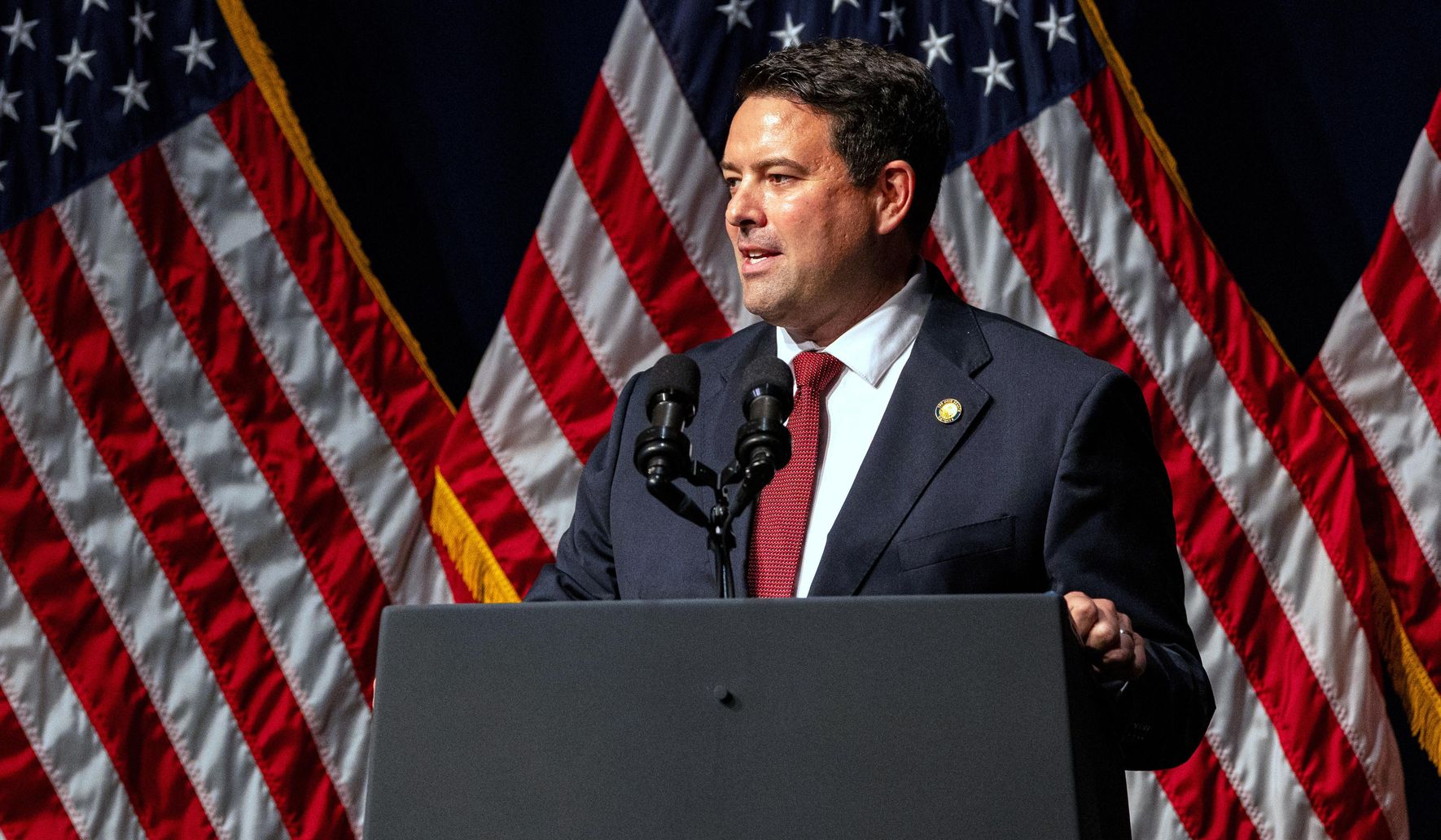
In Ohio’s closely watched race for governor, Republican entrepreneur Vivek Ramaswamy and Democratic former health chief Amy Acton announced their choices for running mate on Wednesday, a move that shapes messaging, regional reach, and campaign priorities as both sides compete for attention in a pivotal state.
Vivek Ramaswamy’s pick for lieutenant governor underscores a campaign that wants to move fast and speak plainly about conservative priorities, appealing to voters tired of political doublespeak and big government solutions that overpromise and underdeliver. His selection is being presented as a practical complement to his outsider brand, aimed at voters who want bold change without the usual partisan spin. Republicans see this as a chance to offer a clear alternative to the status quo in Ohio politics.
Amy Acton’s pick signals a different approach rooted in public health experience and a focus on community-level governance, which she and her allies pitch as steady leadership during uncertain times. Her selection aims to reassure voters who prioritize public services and pragmatic problem solving over ideological posturing. Democrats hope her record in health administration will resonate with suburban and independent voters who weigh competence heavily in statewide races.
Ohio remains a prize for national parties because its electorate is diverse and its political map can swing quickly, and both campaigns are using their running mate announcements to broaden appeal beyond their core bases. Ramaswamy’s team emphasizes economic growth, regulatory rollback, and bolstering law and order, framing those issues as essential for working families and small businesses. Acton’s team stresses strengthening public health infrastructure, protecting education, and expanding access to community resources to address everyday challenges people face.
The tactical use of a running mate in a governor campaign extends beyond policy alignment to matters of geography and voter outreach, and each pick reflects that calculation. Ramaswamy wants to stitch together a coalition that includes disaffected moderates and conservative activists who are energized by outsider messaging and business-oriented solutions. Acton’s campaign is pursuing a path that blends professional credentials with strong ties to civic groups, aiming to convert service-oriented credibility into wider voter trust.
Messaging matters in this race, and both campaigns are sharpening their frames to control the narrative heading into the next phase of primary season and the general election. Ramaswamy projects confidence in free enterprise and individual responsibility as remedies for economic stagnation and cultural unrest, while also promising to cut through bureaucratic obstacles that frustrate citizens. Acton presents herself as a steady manager who will bring evidence-based policies to state government, arguing that effective administration can solve practical problems without sacrificing compassion.
Beyond rhetoric, the practical calculus includes fundraising, volunteer networks, and turnout operations, all of which a lieutenant governor pick can influence by energizing specific constituencies and helping with donor outreach. Ramaswamy’s backers are betting that a high-energy, decisive running mate will translate into fundraising momentum and volunteer enthusiasm, especially among voters drawn to bold proposals and a clear break from conventional politics. Acton’s backers count on institutional support and endorsements from public health and civic leaders to shore up credibility and mobilize grassroots volunteers in diverse communities.
Voters in Ohio will watch how these choices play out in debates, campaign events, and targeted messaging, looking for signs that either ticket can govern amid complex economic and social challenges. The lieutenant governor picks set a tone for the campaigns, and each side will work to magnify their strengths while exposing weaknesses in their opponent’s approach. As the contest unfolds, the decisions made this week will help define the contrast voters will face at the ballot box.

