

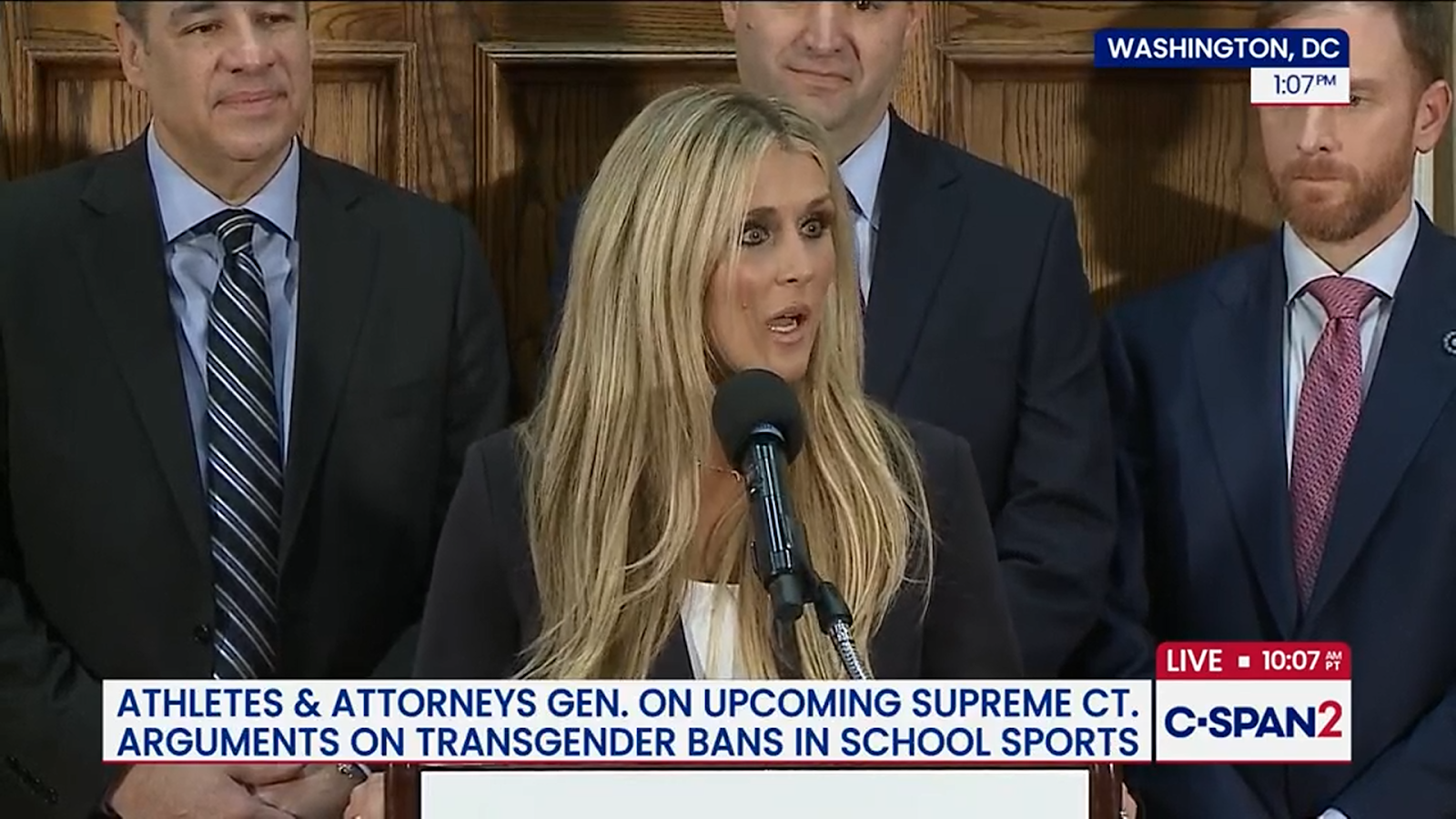
A heated statement from Riley Gaines has reignited debates about women’s rights, political allegiance, and how institutions respond as activists, lawmakers, and the public clash over policy and culture.
‘I’m pissed off … that we’ve reached a point where we seemingly have an entire political party who has diminished and erased our rights as women,’ said Riley Gaines. Her words cut straight to the heart of a larger fight over sex-based protections, fairness in sports, and who gets to decide what counts as a woman in public life. The reaction has been loud and polarized, with conservatives emphasizing sex-specific safeguards and critics arguing for broader inclusion.
The Republican perspective frames this as a defense of biological distinctions that matter for safety, privacy, and competition. People who share Gaines’ frustration point to locker rooms, scholarship slots, and competitive fairness as non-negotiable spaces where sex matters. That argument has driven bills and platform language in several states and on the national stage.
On the policy front, conservatives push for clear sex-based definitions in law to preserve opportunities created for women. That includes legislation targeting eligibility rules in sports and protections for single-sex facilities. Supporters say this is not about exclusion for its own sake, but about preserving the gains women fought for over decades.
Courts and institutions are now buried in messy, high-profile cases that test those questions, and outcomes vary widely. Universities, school boards, and athletic associations face pressure from both sides to pick policies that will survive legal challenges and public scrutiny. For Republicans, the inconsistent rulings underscore the need for legislative clarity rather than leaving everything to administrators.
Cultural momentum plays a role just as much as laws do, with activists staging demonstrations and social media amplifying every clash. Conservative voices argue that culture has shifted too quickly and without enough debate, leaving women and girls at risk of losing safe spaces. That pushback is as much about turning public opinion as it is about changing rules.
Personal stories are powerful in this debate, and conservatives have emphasized accounts from athletes, parents, and survivors to make their case. Those stories are deployed to humanize what might otherwise read as abstract policy fights, and they have a clear impact on voters. Republicans see this ground-level testimony as persuasive evidence that law and policy must protect female-specific interests.
Media coverage fuels the fire, and each side accuses the other of misrepresentation. From a Republican angle, mainstream outlets often downplay concerns about fairness and privacy while highlighting narratives of inclusion without balancing competing rights. That mismatch deepens mistrust and makes common-ground solutions harder to reach.
Practical proposals favored by conservatives include statutory sex definitions, exemptions for single-sex spaces, and targeted rules for competitive eligibility in school sports. Advocates argue these measures are narrow, enforceable, and aimed at preserving the legal and social space women have historically occupied. Opponents call them exclusionary, but supporters insist they are about maintaining fairness, not punishing anyone.
The debate shows no sign of cooling, and public figures like Riley Gaines keep the conversation in the headlines as lawmakers respond. Expect more legislative skirmishes and legal tests as both sides sharpen their arguments and rally supporters. What unfolds will shape how society balances competing claims about identity, safety, and equality for years to come.

