

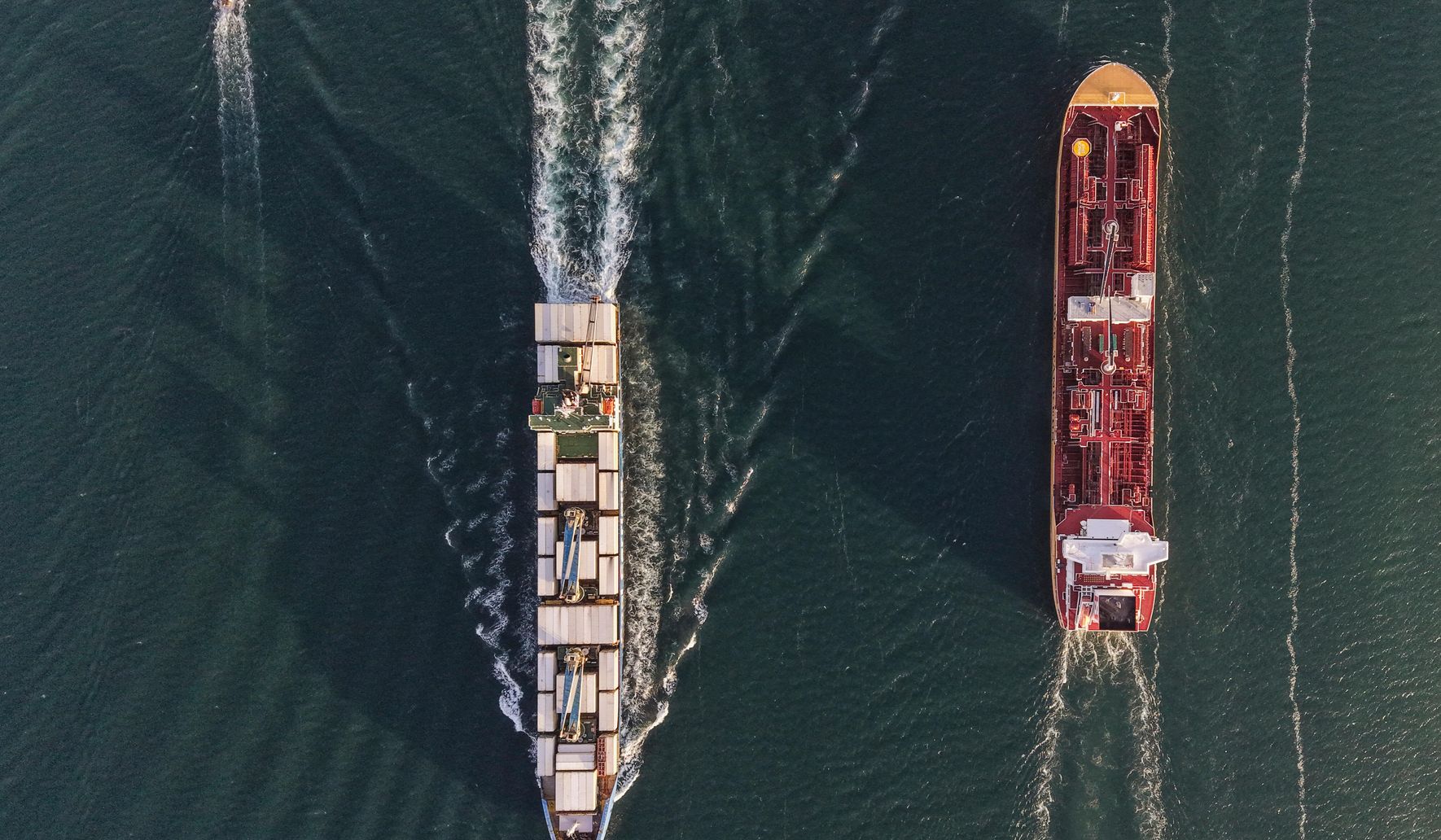
U.S. Secretary of State Marco Rubio on Thursday accused China of “bullying” by detaining or holding up dozens of Panama-flagged ships, and he described the interruptions as occurring “for a short period of time.” This statement put a spotlight back on tensions over freedom of navigation and pressure tactics at sea. The allegation raises questions about how the United States and partners should respond to maritime coercion.
Senator Rubio’s words landed hard because they came from a prominent Republican voice pressing a clear point: aggressive behavior on the water can ripple into broader security and economic risks. Saying “bullying” puts the action in moral terms and frames the behavior as unacceptable. The mention of dozens of Panama-flagged ships makes the incident sound widespread rather than isolated.
Whether the ships were briefly delayed or held longer, any move to interfere with flagged commercial vessels undermines predictable trade routes. The phrase “for a short period of time” suggests the disruptions may have been temporary, but temporary doesn’t mean harmless. Disruptions can cascade through global supply chains and raise insurance and safety concerns for merchants.
The reference to Panama-flagged ships points to how maritime registries and neutral flags can be drawn into great power pressure. Panama registers a vast merchant fleet, so targeting those vessels can create headlines and diplomatic headaches without directly engaging a single national navy. That choice can be strategic, making the action visible while complicating direct state-to-state responses.
From a Republican viewpoint, vocal condemnation matters, but words must be backed by policy clarity and deterrence. Public accusations like Rubio’s are a first step in shaping international opinion and signaling resolve. They also serve to rally allies and private sector partners who depend on stable seas for commerce.
Naval presence and allied coordination are the practical tools countries use to keep shipping lanes open. A posture that combines visible naval stewardship with diplomatic pressure deters future interference. At the same time, economic measures and insurance policies should reflect the new risk environment so shippers aren’t left bearing sudden costs alone.
Business leaders and insurers will watch closely after such accusations because uncertainty drives up costs fast. Companies need clear, predictable rules for operating in contested waters, and they need governments to uphold those rules. When state actors employ coercion, private operators and smaller states can be the unintended victims.
Republicans tend to emphasize firm responses to coercion and the value of strength and alliances in preserving rules-based order. That stance argues for coupling diplomatic rebukes with practical steps to protect commerce and deter repeat behavior. It also favors transparency so that interference cannot be easily hidden or normalized.
Diplomacy should be employed to hold accountable any party that obstructs commercial traffic, with precise attribution before measures are escalated. Public naming and shaming alongside targeted sanctions can signal consequences without immediate military escalation. Still, the capability to follow through is what makes such diplomatic options credible.
For smaller maritime nations, the message matters: if big powers can pressure neutral-flagged vessels with impunity, maritime norms weaken for everyone. The United States and like-minded partners have an interest in maintaining those norms because global trade depends on them. Consistent responses protect not only alliances but also international commerce.
Reports that dozens of ships were affected, even briefly, underline how quickly market confidence can wobble. Policymakers must balance caution with clarity, making sure that statements of concern are matched by concrete measures that reduce future risks. That approach reassures industry and signals to potential aggressors that coercion will carry costs.
Ultimately, accusations like Rubio’s force a public conversation about maritime freedom and state behavior at sea. Republicans will argue that standing firm and coordinating with allies is the right way to preserve open seas for commerce and security. The next steps will test whether words translate into policies that prevent repeat incidents and protect shipping lanes worldwide.

