

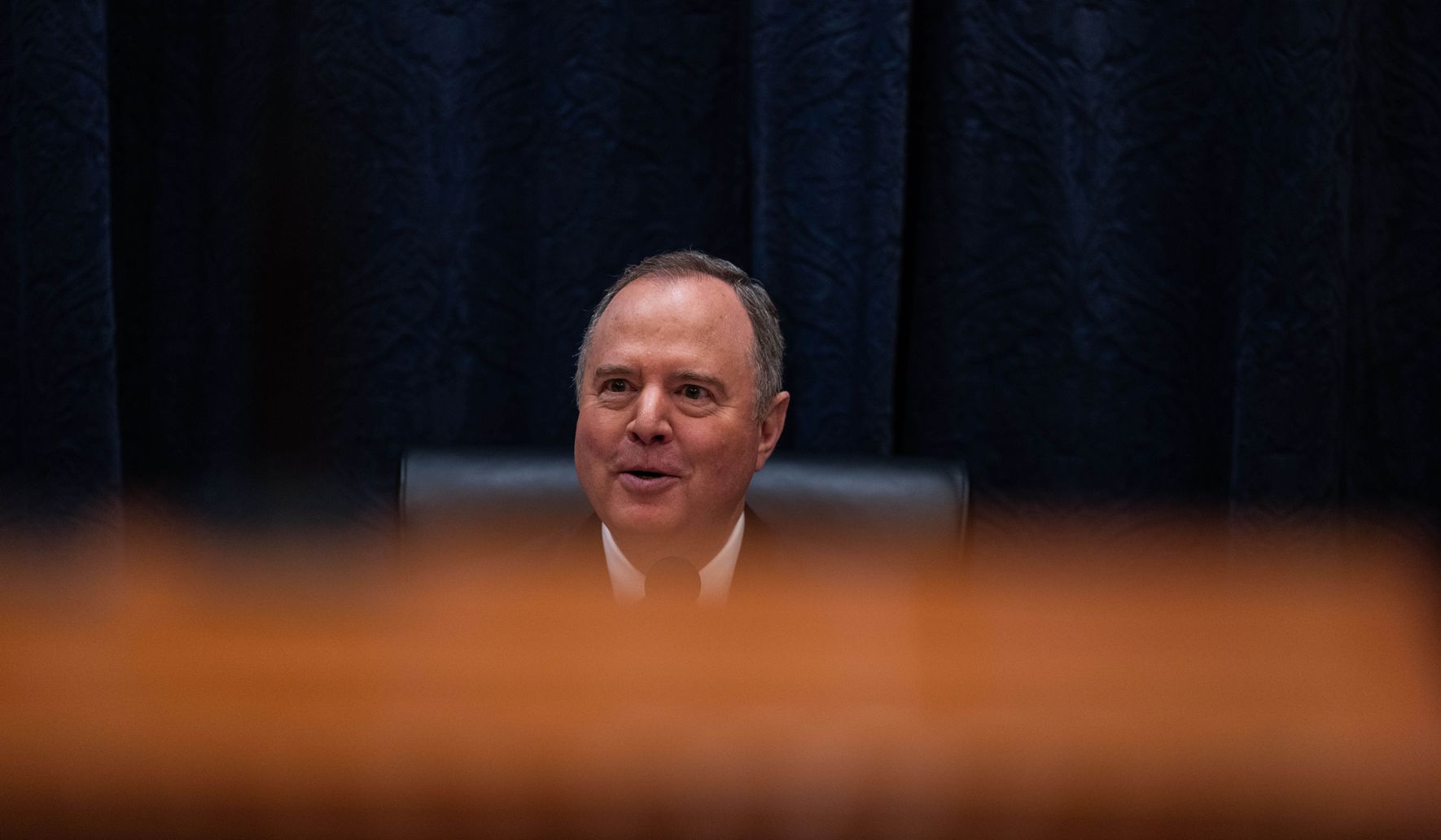
Sen. Adam Schiff drew large campaign support from Indian tribes that operate casinos, and he has introduced new measures tied to those relationships; this article looks at the political dynamics, questions of influence, and the broader public-policy tensions that follow when powerful interest groups back high-profile lawmakers.
Indian tribes that run casinos were major backers of Sen. Adam Schiff’s last campaign — and the California Democrat is now delivering for them, with new legislation to keep them from having to f
The story is simple on the surface: big money from casino operators landed in a high-profile Senate race, and the senator has responded with legislation that benefits those donors. From a Republican point of view, that sequence raises predictable questions about influence and priorities. When lawmakers act on behalf of their largest backers, voters should ask whether ordinary taxpayers and local communities are getting equal consideration.
Campaign contributions are a legal and routine part of politics, but the optics matter. When a cluster of donors with a clear business interest backs a candidate heavily, any favorable action later looks like pay-to-play. Republicans stress the need for strict transparency so constituents can see who funded what and why certain bills get fast-tracked.
Tribal sovereignty and the economic role of Indian gaming complicate the debate. Casinos run by tribes are often framed as engines for jobs and services on reservations, which gives them a persuasive moral claim for support. Still, political support should not erase standard oversight or carve out exceptions that undermine federal or state law when it matters to the broader public.
That tension plays out in committee rooms and press statements, where proponents emphasize jobs and opponents warn about exemptions. Republicans point to accountability: if a tribe receives special legislative protection, it should be subject to clear rules, audits, and protections for surrounding communities. Fairness demands no hidden privileges for well-heeled backers.
Schiff’s involvement injects national politics into what are often local regulatory fights, and that nationalization narrows the room for compromise. Washington-based deals can short-circuit state authority or sidestep local voices, leaving residents to contend with consequences they had no role in shaping. That centralization is a red flag for conservatives who favor federalism.
Beyond legal technicalities, the public-policy stakes include gaming saturation, regulatory capture, and fiscal impacts on states and municipalities. Casino expansions can shift consumer spending, alter crime patterns, and complicate state budgets that rely on predictable tax flows. Republicans argue those downstream effects demand rigorous, independent study before Washington grants special protections.
Transparency is an obvious corrective, and it’s a point Republicans consistently make. Full disclosure of contributions tied to specific legislation, real-time reporting, and stronger recusals for lawmakers with direct ties to major donors would make the process less prone to suspicion. Voters deserve to know when a bill lines up unusually well with a donor’s financial interests.
There is also a practical governance angle: laws benefiting a narrow set of interests tend to invite litigation and long-term instability. If legislation shields a group from legal or financial responsibilities, opponents will challenge the measure and courts will get involved. Republicans argue this creates uncertainty for everyone, from businesses to taxpayers.
Political calculations matter too. Opponents will use these relationships to paint lawmakers as beholden to special interests, an effective tactic in campaigns. From a Republican standpoint, exposing cozy ties between elected officials and big donors helps voters make better decisions at the ballot box and rebalances power back toward ordinary citizens.
Finally, the broader question is institutional integrity. When powerful constituencies invest heavily in candidates and then see tailored legislation, the system looks broken. Republicans push for safeguards that protect representative government from narrow influence while preserving legitimate advocacy from groups that genuinely serve their communities.

