

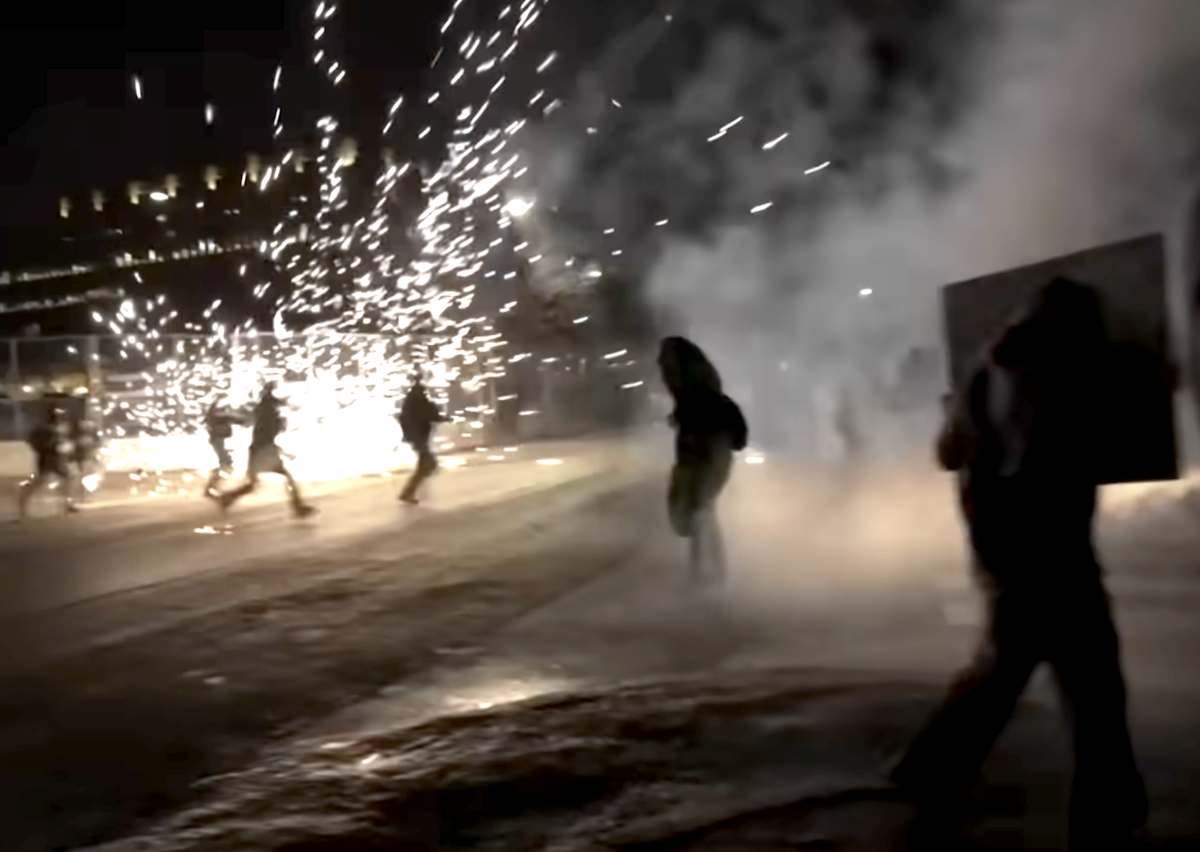
City streets in Minneapolis have shifted from protests to a sustained breakdown of order, and officials at every level are scrambling while ordinary residents pay the price.
What’s unfolding in Minneapolis is not a brief flare of protest, it’s a pattern of violence that local leaders have failed to stop. Officials promised de-escalation and community safety, yet people are getting hurt and public spaces are becoming unsafe. The rhetoric of tolerance for chaos has costs that real families and businesses are already paying.
If we’re going to keep pretending that what’s happening in Minneapolis right now is simply “unrest” rather than outright violent chaos threatening to hold this country hostage, President Trump might as well hand the rest of his term over to Gavin Newsom. That sentence hits a harsh truth about leadership and consequences. When stability is sacrificed for optics, the security of citizens suffers.
Leaders who shrug at violence in the name of expressing grievances are effectively letting crime win. Police face political constraints while violent actors exploit ambiguity and mixed signals from elected officials. People who call for law and order are not asking for repression, they are asking for the basic right to walk the streets without fear.
Community residents report a steady rise in robberies, assaults, and property damage that local media sometimes downplays. Small business owners describe closed shops and boarded windows after repeated break-ins. The economic toll is immediate and long term, as investment leaves and neighborhoods deteriorate.
A second person in Minneapolis was shot this week; those words should stop being routine. Each wounded person is a consequence of policies and attitudes that treat public safety as negotiable. When shootings become just another statistic in a local briefing, public trust breaks down and civic life erodes.
Federal and state roles in such crises should be clear: support lawful policing, protect citizens, and restore order while upholding civil liberties. That balance can be struck without surrendering to the chaos or turning protests into permission to loot and burn. The alternative—acceptance of violence—ushers in a dangerous precedent that other cities could follow.
Political theater from national figures distracts from the immediate task of protecting people on the ground. Local officials must be held accountable for failing to secure neighborhoods and for sending mixed messages about enforcement. Voters across party lines expect basic competence when safety is at stake.
Law enforcement needs clear direction and resources to do its job, but that also requires community engagement and sensible reforms. Defunding or demonizing police leaves neighborhoods vulnerable to criminal elements that do not share the values of peaceful protest. Reforms are possible and necessary, but they cannot come at the cost of law and order.
Businesses and homeowners are not responsible for fixing political leadership, yet they are the ones repairing broken windows and paying higher insurance premiums. Insurance rates climb and city budgets strain as emergency costs mount. That ripple effect hits the most vulnerable residents the hardest, undermining hope and opportunity in struggling areas.
Citizens who want lasting change should demand leadership that can protect rights and restore order without trampling freedoms. Constructive debate and policy work matter, but they require a baseline of safety to flourish. Until that baseline is reestablished, grievances will be drowned out by the sound of sirens and the stress of surviving another night.
Elected officials must choose priorities: defend lawful protest and punish violence, or tolerate disorder and watch public life crumble. The choice reflects values and consequences, not just headlines. Americans deserve leaders who will secure streets, back law enforcement when they act within the law, and pursue reforms that strengthen communities rather than expose them to harm.
Responsibility also falls on civic institutions and citizens to insist on practical solutions instead of absolving bad behavior in the name of social movements. That means real investments in public safety, mental health, and economic opportunity that reduce crime over the long haul. Anything less is a short-term exercise in political convenience that leaves neighborhoods at risk.

