

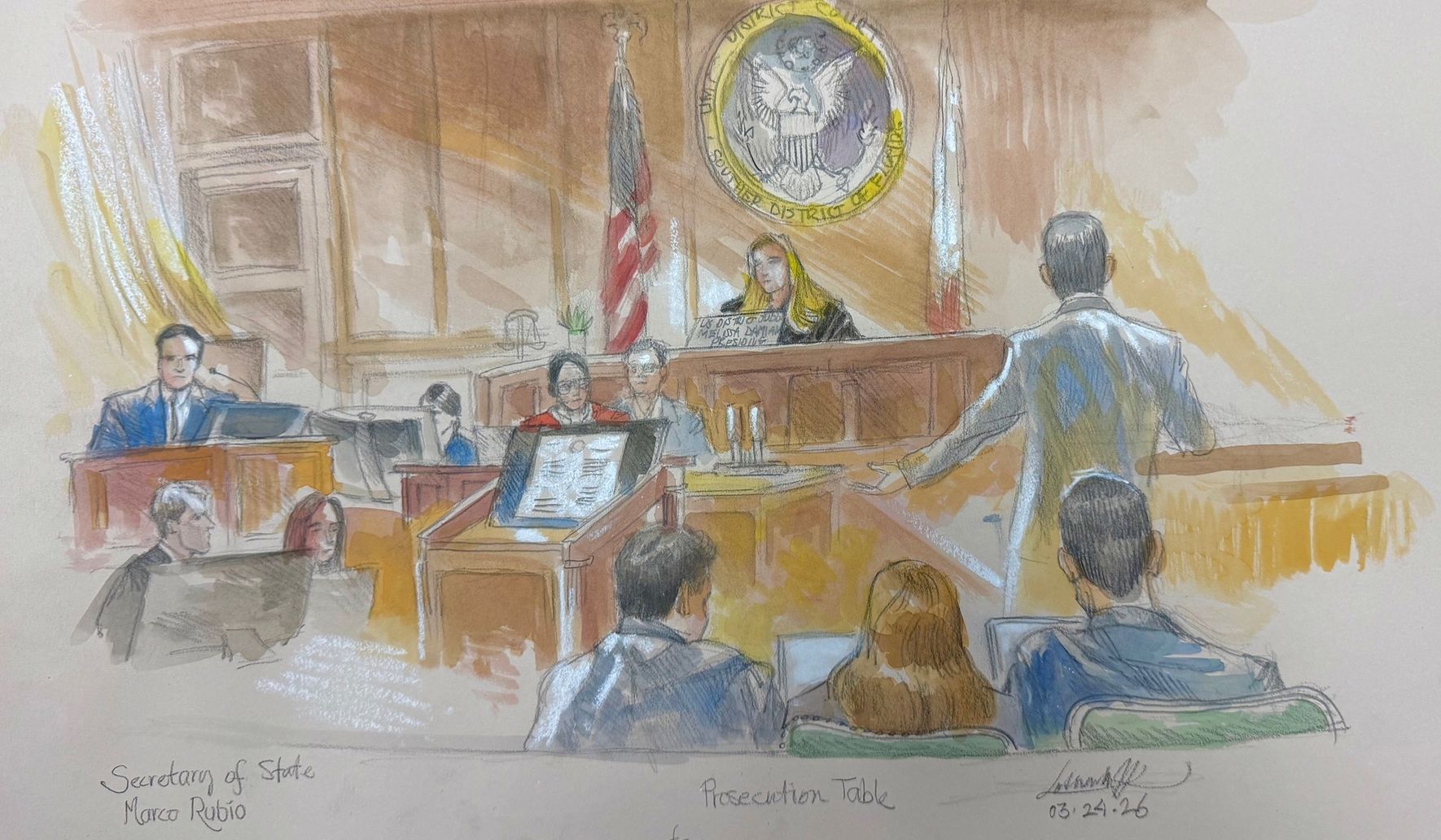
Marco Rubio took the witness stand and denied any knowledge that former Rep. David Rivera was acting as a lobbyist for Venezuela, and the exchange has sharpened partisan attention as prosecutors press their case.
The courtroom scene put a familiar Republican figure under scrutiny, and supporters say his testimony showed transparency under pressure. The messaging from Rubio’s team emphasized that he cooperated with investigators and answered questions directly. Meanwhile, critics from the other side see unresolved threads they say deserve prosecution, making this a contentious political moment.
Secretary of State Marco Rubio testified in court that he had no knowledge that former Florida congressman David Rivera was lobbying on behalf of Venezuela’s government – as prosecutors later all
For conservatives watching, the key issue is simple: did Rubio know about any improper lobbying or recruiting, and did he act on it if he did. The party’s instinct is to defend a leader who has long positioned himself as a critic of authoritarian regimes in Latin America. Republicans point out that political rivals will seize any ambiguity in testimony and frame it as wrongdoing, even when the record shows cooperation and candor.
The backdrop here is a broader debate over how federal prosecutors pursue political cases and when allegations cross into politically motivated charging. From a Republican vantage, aggressive tactics that rely on tenuous inferences risk chilling normal political activity and mislabeling routine contacts as illicit. That concern shows up in commentary across the right, where observers call for careful scrutiny of the evidence rather than headline-driven judgments.
Rubio’s status means the case will play out with high visibility, and each courtroom exchange will be analyzed for political impact as much as legal merit. Republicans are alert to how the narrative gets shaped in the press and on social platforms, pushing back when they see selective framing. The party argues that credible leaders deserve the presumption that they answered honestly unless clear proof proves otherwise.
At the same time, the situation spotlights the risks associated with former lawmakers engaging in foreign-related activities after leaving office. Both sides acknowledge that the line between permissible advocacy and improper lobbying can be blurry. Republicans say the right response is not reflexive punishment but clear standards and fair procedures that protect civil liberties while holding bad actors accountable.
This episode also raises questions about prosecutorial transparency and the timing of public disclosures. Conservatives often argue that releasing allegations prematurely or relying on leaks can create unfair public conviction before a trial concludes. The GOP message emphasizes due process and caution, insisting that legal judgments belong in courtrooms, not headlines.
For Rubio himself, the courtroom was an opportunity to reiterate a record of tough stances on regimes like Venezuela’s while also distancing himself from any suggestion of involvement in improper influence work. His supporters say that posture is consistent with a career built on confronting hostile governments, not collaborating with them. Opponents will continue to press the investigation, but Republicans expect evidence to vindicate his statements when the facts are fully aired.
The broader political calculus is clear: how leaders handle allegations shapes public trust and party messaging alike. Republicans will use this moment to argue for fairness in the legal process and to defend officials who they believe acted transparently. The stakes go beyond one case, touching on how political speech, foreign contacts, and legal scrutiny intersect in today’s polarized environment.

