

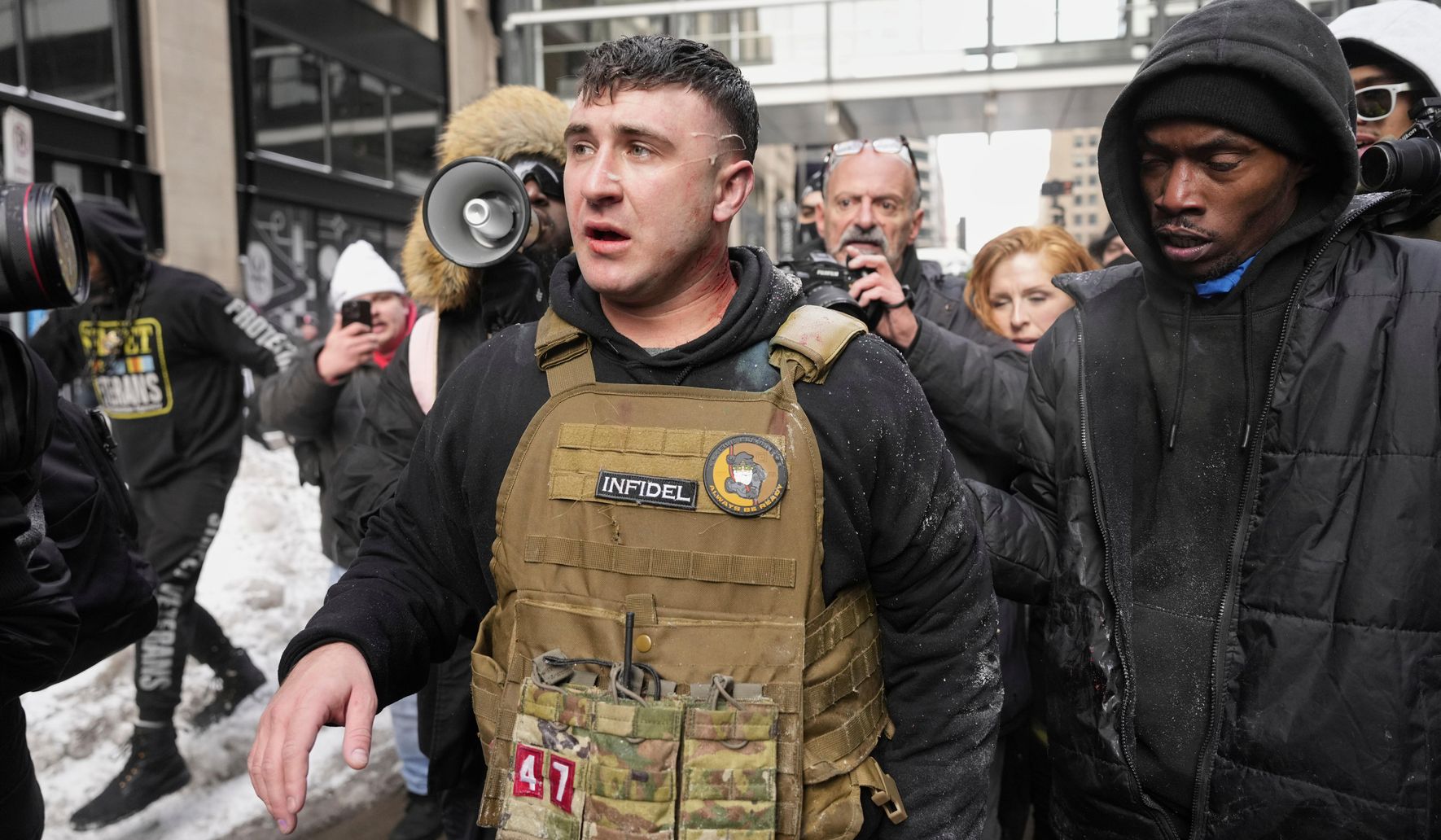
The New York Police Department said officers arrested six people Saturday after protesters and counter-protesters clashed outside Mayor Zohran Mamdani’s home, an episode that underscores growing concerns about public safety, the limits of tolerance for street confrontations, and the political fallout that follows when demonstrations turn confrontational.
The incident on Saturday left neighbors shaken and city officials answering tough questions about how to keep public life peaceful while protecting free speech. When protesters and counter-protesters met near the mayor’s residence, tensions quickly escalated and the New York Police Department stepped in, ultimately making six arrests. That intervention stopped the immediate disorder but did not erase the broader unease residents feel about recurring street clashes.
From a Republican perspective, the scene highlights a predictable pattern: a failure to prioritize law and order invites repeated confrontations. Elected leaders are judged by their ability to prevent streets from becoming arenas for ongoing political theater, and Thursday’s clash outside the mayor’s home is a blunt reminder that public safety is at stake. The response from police was necessary, but it should also prompt reflection on whether preventive measures and clear enforcement priorities are in place.
City officials must balance the constitutional right to protest with the obligation to protect private property and vulnerable residents. When demonstrations move from sidewalks to shouting matches and physical scuffles, they cross the line into behavior that requires decisive policing. Arrests are never the first choice, but when they become necessary, they should be a clear signal that unlawful conduct will not be tolerated by authorities charged with keeping order.
Neighbors and families living near high-profile officials deserve the same protections any New Yorkers expect: safe streets, predictable law enforcement, and respect for private spaces. The optics of people clashing in front of a mayoral residence feed into a sense that civic norms are fraying. That perception damages confidence in municipal leadership and gives political opponents ample reason to push for stronger crime control measures and clearer public-safety priorities.
Political consequences are unavoidable. Opponents will cast the episode as proof that leadership has been soft or inconsistent, while supporters may argue that a free and messy public square is part of democracy. For those prioritizing order and security, the event reinforces calls for firmer enforcement, faster police response, and local policies that reduce the chances of confrontation before it starts. The takeaway is simple: predictability in law enforcement prevents escalation.
Lawmakers and community leaders also have a role here. Local governments should establish clear guidelines for protests near private residences and set expectations for both organizers and counter-demonstrators. Community cooling-off periods, designated protest zones that avoid private homes, and transparent communication with residents can limit the flashpoints that lead to arrests. These measures respect free expression while protecting the daily lives of citizens who do not want their front stoops turned into battlegrounds.
Ultimately, handling these episodes well requires political courage and practical plans that put safety first without trampling civil liberties. Elected officials should be judged on results: fewer violent clashes, more predictable public spaces, and a police force empowered to act swiftly and lawfully. If Saturday’s arrests serve as a wake-up call, the city should take it seriously and act to ensure protests remain peaceful and neighborly life remains intact.

