

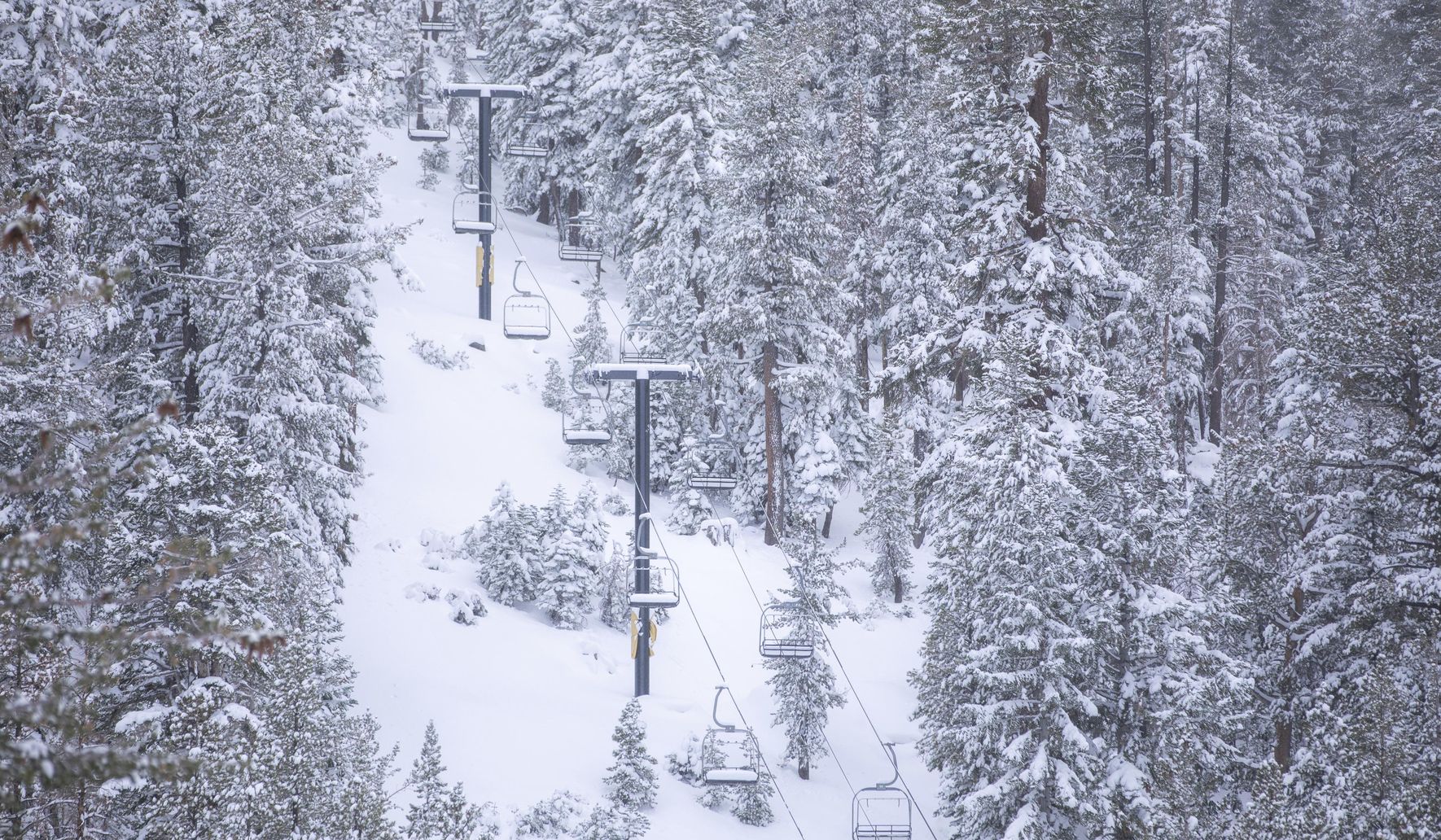
A skier at Mammoth Mountain in California died while attempting a steep expert run on Thursday, an incident that occurred just days after a 12-year-old girl fell from a ski lift at the same resort. The two events have put a spotlight on the hazards of steep terrain and lift safety at busy mountain resorts.
The fatal run happened on one of Mammoth Mountain’s expert slopes and was reported Thursday, when rescuers found the skier deceased after the attempt. Officials have confirmed the death but have released few public details about how the incident unfolded or the identity of the skier.
The earlier accident involved a 12-year-old girl who fell from a ski lift at the same resort only days before the fatal run. That fall sparked immediate concern among other guests and staff, and it prompted questions about lift procedures and safety checks during a busy season.
Expert runs are designed for experienced skiers and snowboarders and feature steep pitches, variable snow, and technical terrain that can quickly become dangerous. Even strong skiers can be caught off guard by hidden drops, thin snowpack, or abrupt changes in slope angle that make control much harder at speed.
Ski patrol teams at resorts are trained to respond to injuries and recoveries in difficult terrain, and many resorts maintain protocols to screen dangerous slopes or close sections when conditions change. Still, accidents on expert terrain sometimes outpace the ability to manage risk, especially when visibility or conditions deteriorate fast.
Ski lift incidents are relatively uncommon, but when they happen the results can be serious, particularly for younger riders. Falls from lift chairs raise immediate safety concerns and typically trigger internal reviews of boarding and unloading procedures, staff training, and equipment checks to determine what went wrong.
Both types of incidents—falls from lifts and crashes on expert runs—remind visitors that mountain terrain demands respect and preparation, and that equipment and technique matter. Wearing appropriate protective gear, choosing runs that match skill level, and riding conservatively in unfamiliar conditions help reduce risk even on slopes that look manageable.
Resorts also face a balance between keeping terrain available for experienced guests and ensuring enough oversight to reduce accidents, especially on weekends and holidays when traffic is heavy. Operational decisions about when to close a run, post warnings, or station extra patrols are often made with safety in mind, but they cannot eliminate all hazards.
Investigations or internal reviews typically follow serious incidents; they aim to clarify the sequence of events and whether procedural changes are warranted. Local authorities and resort management may provide updates as they gather information, and peers in the mountain community often watch closely for any policy changes that affect on-mountain safety.
The back-to-back nature of these incidents at the same resort has drawn attention to risk management and guest education at winter destinations. While every mountain has inherent dangers, clear procedures, visible warnings, and quick response can help mitigate harm and guide improvements where they are needed.

