

FCC chief Brendan Carr reminded broadcasters they do not have a right to deliberately lie to voters on public airwaves, and that reminder set off predictable media fireworks.
When Brendan Carr, chairman of the Federal Communications Commission, told broadcasters that they do not have a right to deliberately lie to voters using the public airwaves, it was a plain statement of principle about accountability. The public airwaves are licensed and regulated for a reason: they are a limited, taxpayer-managed resource that carries powerful influence. Holding broadcasters responsible for basic truth is not an attack on speech, it is a demand that those who profit from public spectrum meet basic standards.
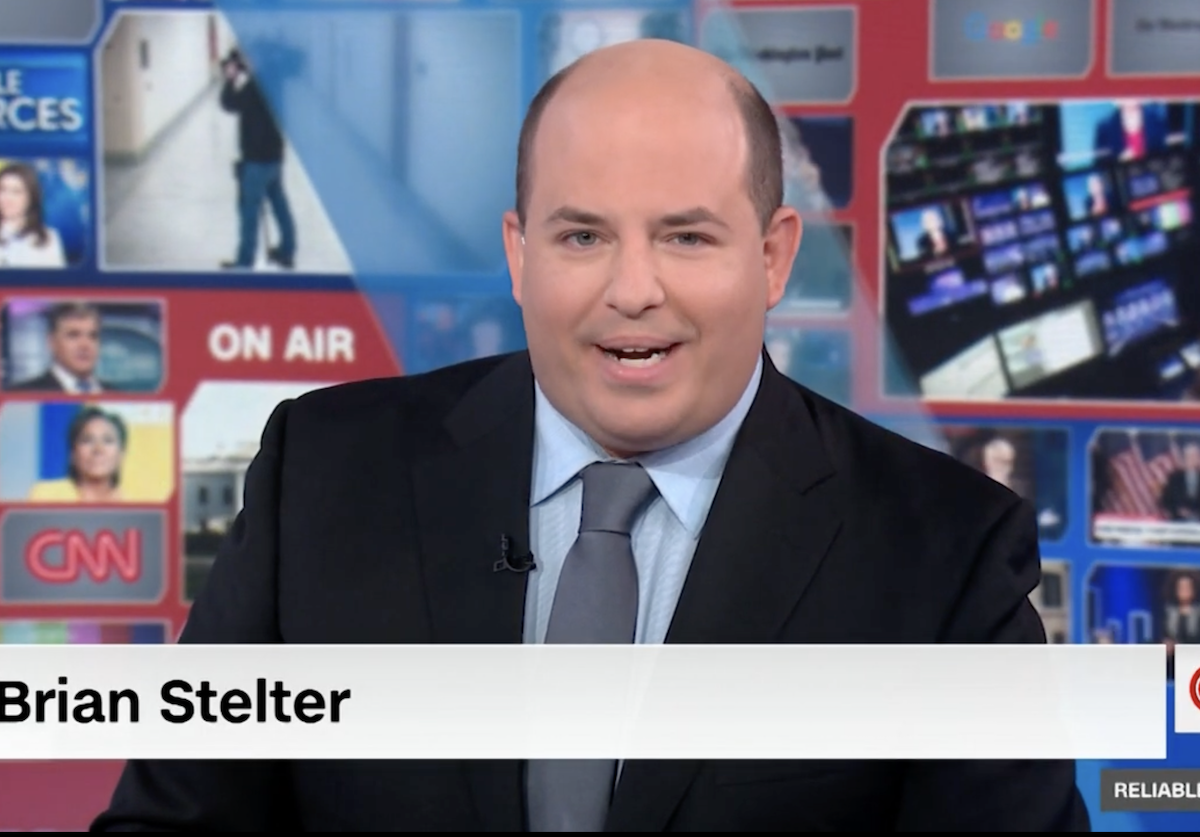
Predictably, cable pundits and network hosts reacted as if the sky had fallen. Brian Stelter at CNN has been especially vocal, sounding alarms and warning of consequences. Three times in as many days, Stelter has referred to a “threat” and framed routine enforcement discussion as a scary political move against press freedom.
From a Republican vantage point this is a straightforward debate about responsibility versus privilege. Conservatives have watched major outlets pick sides and peddle narratives while claiming absolute immunity from consequence. The position here is simple: if you use public resources and enjoy a huge platform, you should face rules that forbid deliberate deception of voters.
There is a difference between enforcing honesty and shutting down dissenting voices, and that difference matters. Enforcement aimed at deliberate falsehoods targets bad actors who intentionally mislead the public, not genuine editorial judgment or opinion. Republicans can make the case that the goal is voter protection and fair play, not ideological silencing.
Many in the media will paint any regulation as censorship, but that is an easy rhetorical move that avoids the real issue. Americans expect transparency about who is speaking and why, and they expect facts when elections are at stake. Broadcasters operate under licenses precisely because the airwaves are shared and finite, and citizens deserve safeguards against manipulative, intentional lies broadcast to millions.
The current push from the FCC stresses accountability through existing authorities rather than dramatic new bans. That distinction matters because conservatives generally prefer clear rules and predictable enforcement to open-ended discretion. If the agency applies existing statutes and licensing conditions to prevent purposeful misinformation during campaigns, that is enforcing the public interest mandate of the commission.
Critics will warn that any oversight invites partisan abuse, and vigilance is warranted on that score. Republicans should insist on transparent standards and a narrow focus on deliberate deception, not subjective judgments about taste or perspective. The right approach ties enforcement to objective evidence of intent to mislead, documented falsehoods, and clear harm to the public discourse.
At the same time, the media elite’s reflexive outrage highlights a larger problem: trust in traditional outlets has eroded because of perceived bias and selective corrections. When audiences suspect that powerful broadcasters will not admit error or will double down on misleading narratives, pressure for accountability grows. Conservative voices argue that equal treatment under the rules is the best corrective to entrenched media power.
The outcome Americans should expect is not a government speech police but a system where misuse of public airwaves for deliberate lies cannot be treated as cost-free. That idea aligns with conservative values of responsibility, rule of law, and respect for institutions. It is also consistent with defending the rights of voters to accurate information at critical moments.
How this plays out will matter for future campaigns and for public trust in media institutions. Republicans advocating for clear, narrow enforcement can press for procedures that protect both free expression and the electorate from purposeful deception. Meanwhile, smug media reactions and theatrical warnings should not distract from the core point: public resources come with public responsibilities.

