

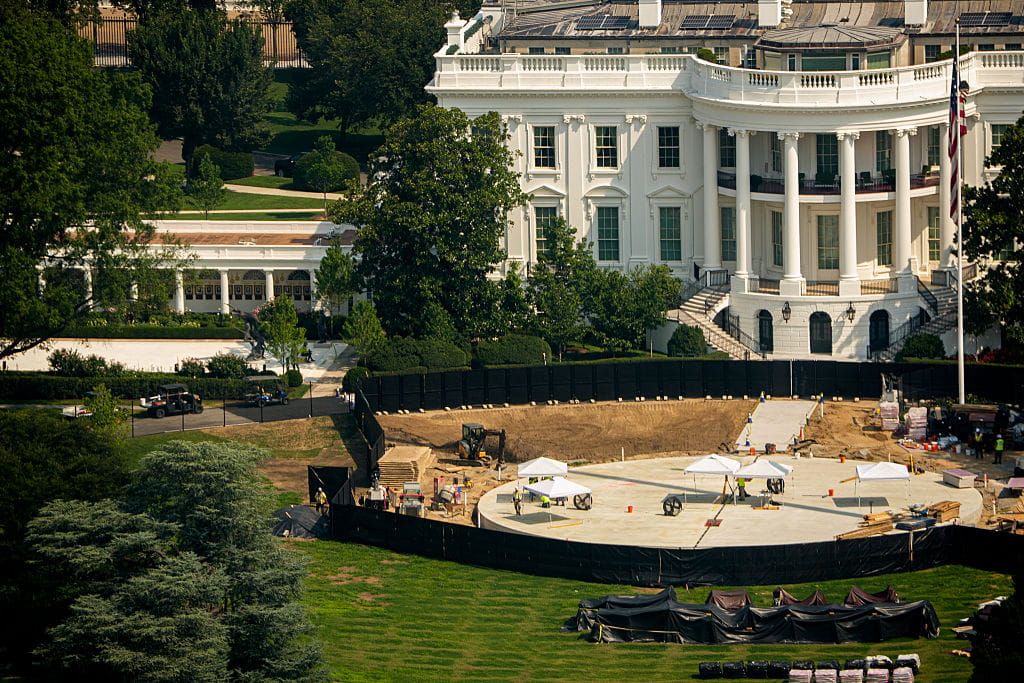
The Supreme Court has given a temporary green light to the White House ballroom project, allowing construction to proceed “for now” while legal battles continue, and the decision highlights the broader fight over executive authority and congressional limits.
The Court’s limited order lets work resume on a controversial expansion, but the ruling is narrowly tailored and leaves plenty of questions unanswered. This is not a final endorsement of policy or process; it simply prevents immediate stoppage while litigation plays out. The case has quickly become a flashpoint for debates about the balance of powers and the role of judges in political disputes.
Aug 22, 2026 now marks another moment when courts have stepped into raw political terrain and managed the fallout without resolving the underlying controversy. Supporters argue the build advances practical needs and honors executive prerogative to manage the federal estate. Critics call it an end-run around Congress and see the move as emblematic of a broader trend of presidents pushing projects without full legislative buy-in.
“Trump’s far from the first president to work around Congress.” That line sums up a long American pattern: administrations using available tools to get things done when legislatures lag or oppose. From a Republican perspective, the argument is straightforward — governing requires initiative, and when representatives fail to act, executives sometimes must. The Court’s interim nod reflects recognition of that messy reality without deciding who is right on the merits.
The ruling’s phrasing is important: it allows activity to continue while preserving the rights of plaintiffs to press their claims. That keeps the legal fight alive and gives both sides a chance to assemble records and arguments before a full hearing. Practically speaking, construction crews can operate and contracts can move forward, but any victory could be temporary if a later judgment goes the other way.
Political opponents are already framing the decision as proof of lawlessness, but the more useful lens is constitutional process. Courts are trying to balance competing equities — potential harms from a forced halt versus the public interest in allowing the executive branch to manage its property. Republicans who back the project point to precedent and administrative discretion as the proper tools for addressing disputes over federal facilities.
The optics matter as much as the law. For conservative voters who want decisive action on national priorities, the idea that the White House can advance projects without waiting on a divided Congress feels familiar and, at times, necessary. Skeptics worry about overreach and the temptation for any administration to bypass lawmakers. Both sides will press the narrative hard as the case moves forward and as campaigns use the issue for political leverage.
Behind the headlines are everyday logistical and financial realities: budgets, contracts, historic preservation rules, and federal land use procedures that courts must untangle. Legal briefs will litigate those details, and judges will assess narrow statutory language alongside broader constitutional principles. Expect a drawn-out process that tests not just arguments about a single ballroom but the rules that govern how presidents and Congress interact on public projects.
This decision is a pause, not a finale, and it leaves ample room for strategy on both sides. Plaintiffs may seek expedited full hearings, while the administration will shore up recordkeeping and legal rationale to defend its choices. For now, construction moves ahead under judicial toleration, and the nation watches to see whether a temporary allowance becomes a durable precedent or a short-lived reprieve.

