

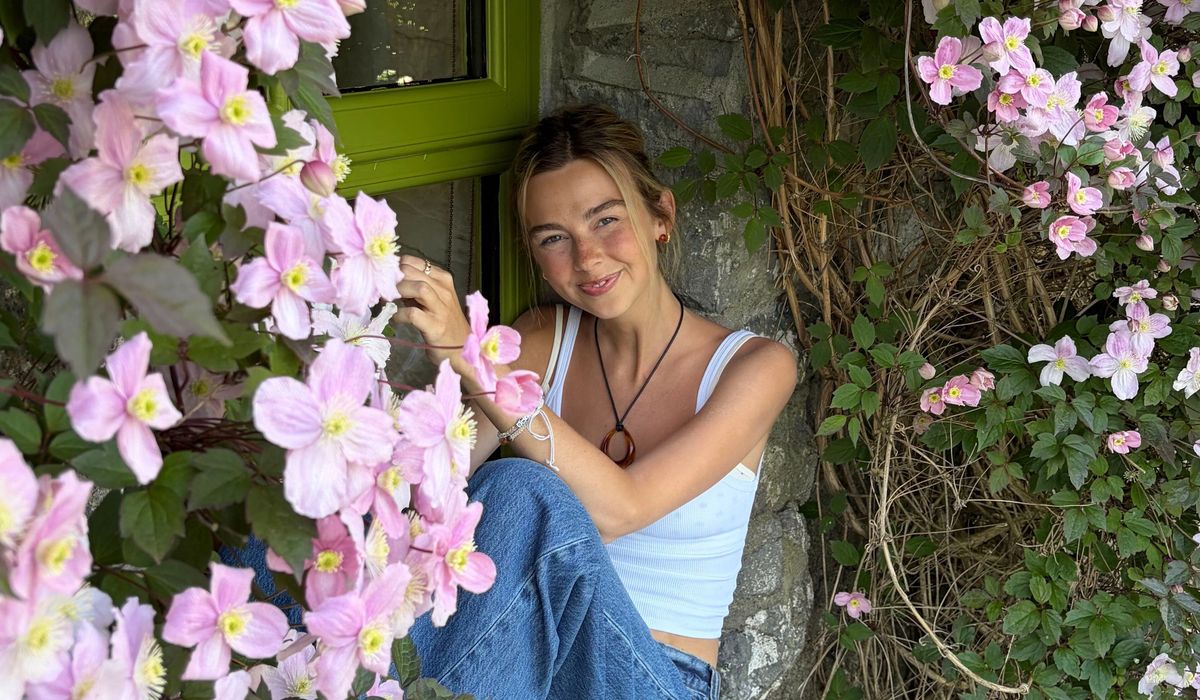
Sydney Towle, a social media content creator who openly chronicled life with a rare form of cancer, has died, according to her family. She was 26.
Sydney built an online presence by sharing honest, upbeat glimpses of a life marked by medical uncertainty and relentless effort. Her posts balanced the personal grind of treatment with a persistent optimism that drew a following and started conversations. That blend of vulnerability and resilience became central to how people remembered her work.
She used her platform to show what living with a rare illness actually looks like: the routine appointments, the small wins and the stubborn hope. Viewers saw someone who refused to be reduced to a diagnosis, instead opting to document the human details most people skip. That approach made her content feel intimate, immediate and raw.
By speaking plainly about pain, fatigue and the logistics of care, she lowered the barrier for others to talk about illness without shame. Her updates didn’t shy away from the darker moments, but they often returned to frames of gratitude and humor. That combination made her voice distinct among creators who cover health and recovery.
Social media allowed people to watch a life unfold in public, and Sydney’s feed became a place where empathy and practical support met. Followers sent messages, organized support and turned to one another in comment threads that read like small communities. Those exchanges reflected how digital audiences can become an informal network of care for creators facing chronic health challenges.
Her family’s confirmation of her death landed heavily for people who had followed her journey for months or years. For many, the loss felt like that of a friend who happened to live in a public timeline. The announcement did not include additional details, and out of respect her family’s statement remained the primary source of information.
Conversations around rare diseases often center on awareness, research and the unequal access to specialized care. Sydney’s posts exposed the practical side of those conversations: the frequent medical visits, the logistical hurdles and the mental load of managing uncertainty. When someone shares that side of life, it can spur questions about how the medical system supports people with uncommon diagnoses.
Creators who open up about health face a unique set of pressures. There is the expectation to be authentic, the compulsion to keep audiences updated and the emotional labor of responding to viewers while undergoing treatment. Sydney navigated those expectations with a steady voice that resonated because it felt real rather than performative.
The impact of a public journey through illness is not limited to followers; it also shapes how friends and family experience grief and remembrance in public spaces. Memorial posts, tributes and private messages all intersect on timelines where the person once posted. That collision of private loss and public expression complicates mourning in a digital age.
Her presence highlighted the human cost of rare medical conditions and the ways people use platforms to connect, support and document. For those who watched her updates, the ongoing dialogue about illness, care and community continued in comment threads and conversations beyond her posts. Sydney’s willingness to show everyday reality left a mark on people who valued honesty and courage in online storytelling.

