

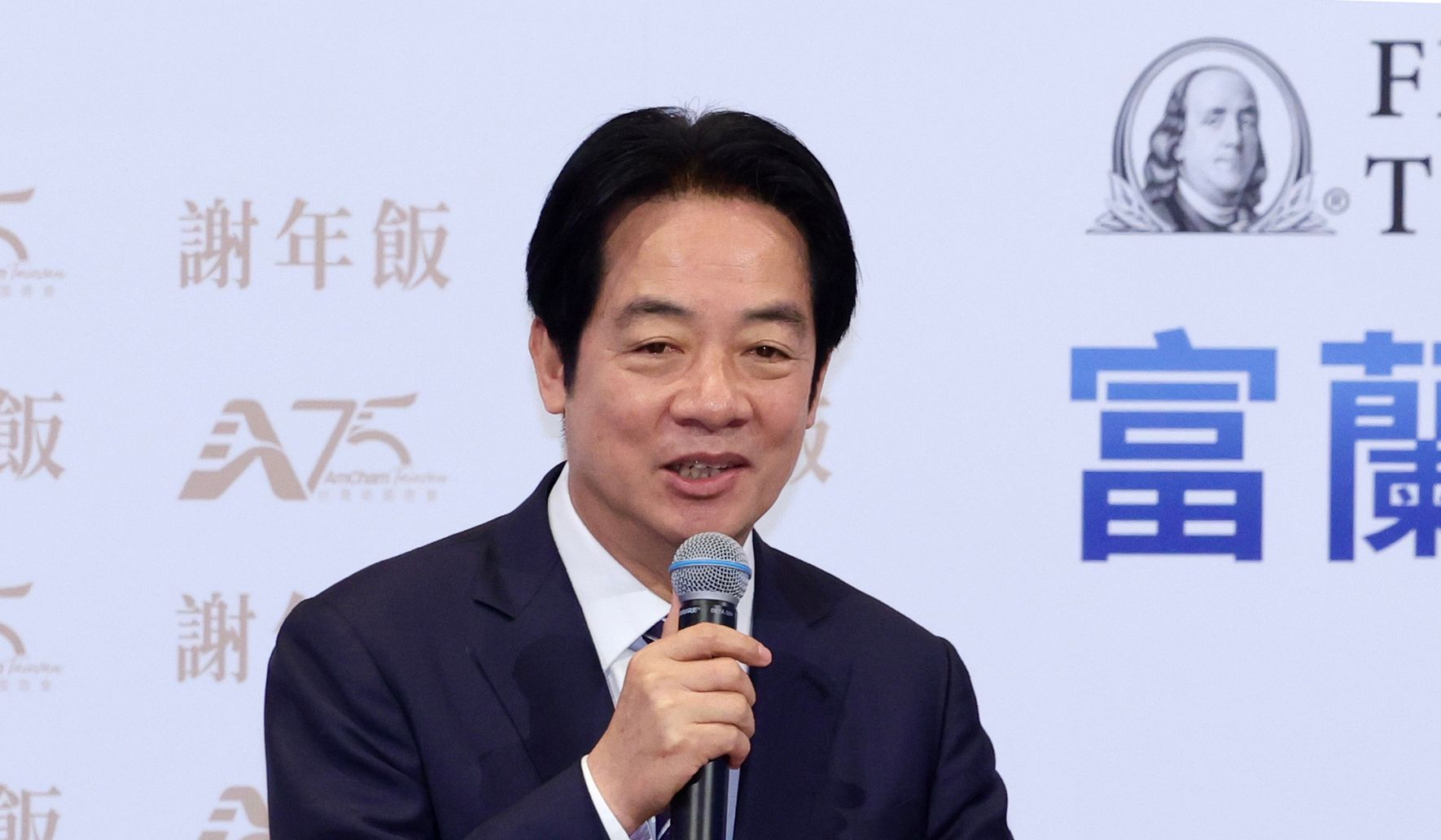
Taiwan’s president called off a scheduled Africa trip after three countries withdrew permission for him to fly over their territories, a move his office said came under pressure from China and forced the cancellation.
The abrupt change to the itinerary highlights the daily reality for Taiwan: diplomatic space is shrinking under sustained pressure from Beijing. Taiwan’s president canceled a planned visit to Africa this week after three countries withdrew permission for him to fly over their territories, under pressure from China, his office said Tuesday. That sentence from the office captures both the factual chain and the diplomatic bluntness of what happened.
This is not just a travel problem. When sovereign airspace is denied because a stronger neighbor insists, it becomes a tool of coercion that chips away at smaller states’ independence. Each such incident signals to neutral or undecided countries that accommodating Beijing can be easier than standing up for the rules that govern international conduct.
From a Republican point of view, the response should be firm and practical. The United States and allied democracies must push back where possible by reinforcing Taiwan’s access to partners and by making clear that coercion will carry diplomatic and economic consequences. Support should include practical measures such as overflight alternatives, increased state-level ties, and security cooperation that respects Taiwan’s self-defense needs.
Beijing’s tactic of pressuring third parties to isolate Taiwan undermines predictable international behavior and rewards bullying. When countries relent to pressure, they weaken the system that protects free passage and open skies. A second consequence is that it encourages further attempts to rewrite or bend norms through intimidation rather than negotiation.
Taiwan’s decision to call off the trip rather than force a risky reroute or seek ad hoc arrangements shows prudence and a desire to avoid escalation. At the same time, Taipei faces the diplomatic cost of fewer in-person meetings and reduced visibility in regions where it needs friends. That loss is strategic: soft power and personal engagement matter, especially for a democracy trying to maintain and expand international space.
Allies should help by offering alternative venues for engagement and by making clear publicly that coercion by third parties will not become routine. Practical backing can include facilitating virtual summits, hosting Taiwanese leaders, and coordinating international statements that reaffirm freedom of movement. This kind of coordinated pushback raises the cost of pressuring smaller states and helps preserve the norms that keep global commerce and diplomacy functional.
There are also domestic lessons for countries tempted to yield to pressure. Choosing short-term convenience over long-term principle risks eroding credibility. Democracies that stand together on rules like overflight rights show adversaries that force and inducement do not reliably pay off, and that partnerships are worth more than transactional fear.
For Taiwan, navigating diplomatic isolation will remain a complex task requiring creativity and resilience. The president’s canceled trip is a reminder that the island’s leaders must balance prudence with assertive diplomacy to safeguard connections. While Beijing keeps turning pressure into policy, Taipei and its partners need to keep building durable channels for cooperation that do not depend on the goodwill of powerful coercers.

