

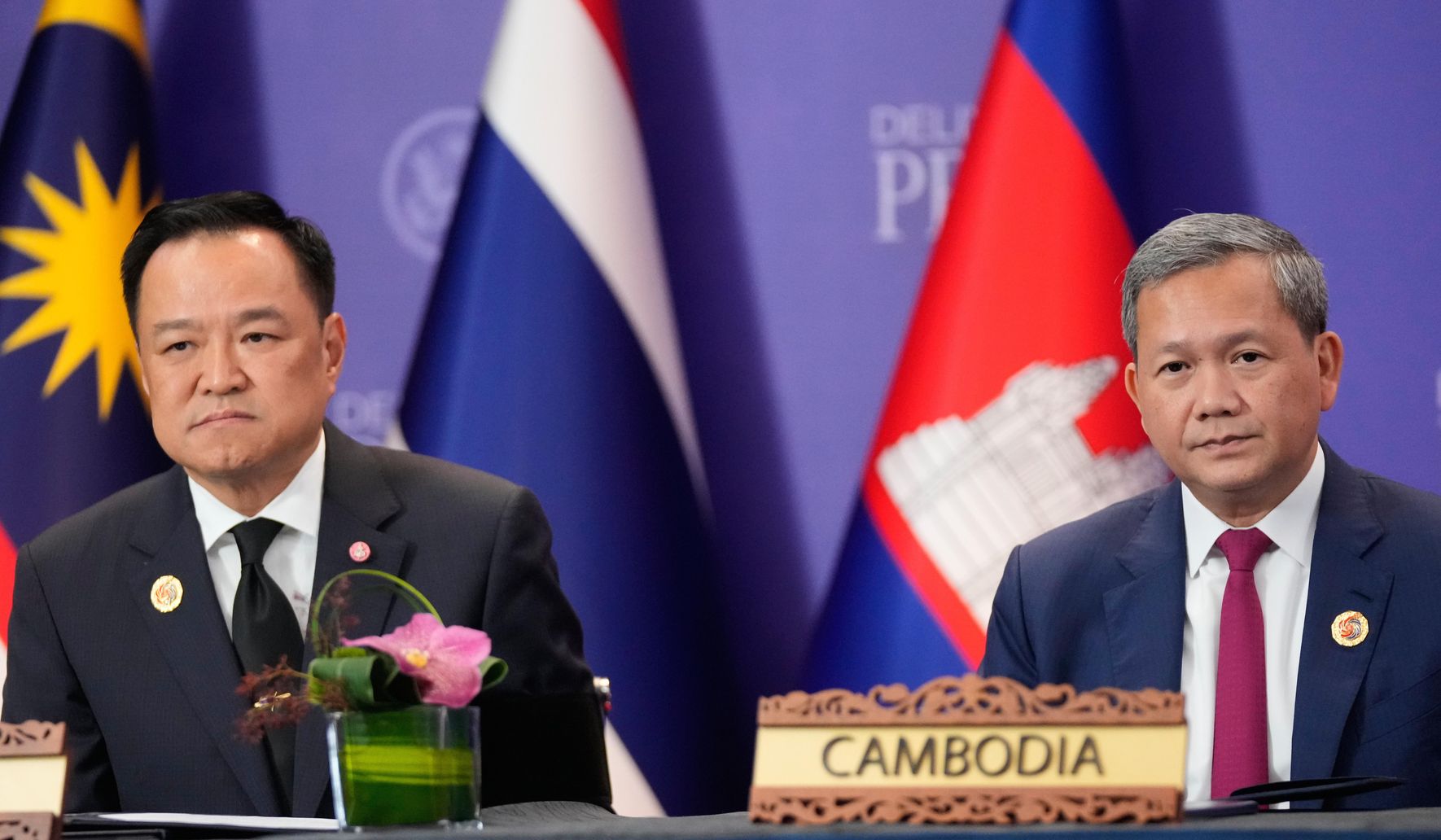
Thailand’s government is heading to the voters after the prime minister secured royal permission to dissolve Parliament, triggering general elections that could reshape the country’s political direction and test commitments to stability and economic recovery.
Thailand’s Prime Minister Anutin Charnvirakul received royal permission Friday to dissolve Parliament, setting up general elections early next year. The move resets the political clock and forces parties to define clear platforms on security, growth, and governance. For voters, it will be a moment to weigh the trade offs between experienced hands and calls for change.
The decision follows months of turbulent coalition talk and policy friction inside Bangkok. Political coalitions in Thailand have a history of short lifespans, which makes any orderly path to an election noteworthy. Dissolution with royal assent signals a legal and constitutional route rather than a chaotic power struggle.
On the ground, markets and businesses will be watching for signals on fiscal discipline and investor confidence. Elections can rattle investor nerves but they also offer a reset, where credible commitments to the rule of law and predictable policy can attract capital. The real test will be whether campaign rhetoric translates into practical plans for jobs and growth.
Security and border management have become central voter concerns, especially in a region marked by migration and trade flows. Voters want policies that keep communities safe while allowing commerce to flourish. Parties that offer clear, enforceable plans stand a better chance of convincing pragmatic voters.
The role of the monarchy remains a stabilizing factor in Thailand’s political system, even as ordinary citizens press for more accountability from elected officials. Royal approval for dissolution underscores constitutional procedures that many see as essential to orderly transitions. Any party that respects institutions will likely have an edge among voters who value steady governance.
Election campaigns will test the messaging skills of Thailand’s parties and leaders. Simple promises without budgets or timelines are easy to make and hard to deliver. Candidates who combine bold goals with fiscal realism are the ones most likely to survive the scramble that follows a campaign season.
Regional dynamics will shape voter calculations as well, with trade partnerships and diplomatic ties influencing national priorities. Southeast Asia is a competitive neighborhood where supply chains and trade routes matter for livelihoods. Thai leaders who prioritize stable relations and economic openness can generate real opportunities at home.
For the United States and other partners, an orderly, transparent election is the best possible outcome. Stable democracies with predictable policies are partners for trade and security. Washington and allies prefer dealing with governments that respect contracts and protect investments.
Domestic reforms will be a major theme as politicians argue over how to fix persistent problems in education, infrastructure, and public services. Voters look for candidates who can make bureaucracies work and deliver visible results. Piecemeal promises won’t cut it; people want measurable progress within a term.
Corruption and accountability will be on the ballot, as they should be in any healthy democracy. Candidates must offer credible anti corruption measures that include enforcement and transparency, not just slogans. Citizens are increasingly skeptical of empty pledges and will vote for those who demonstrate follow through.
Campaign tone matters, and it will shape turnout and legitimacy. Angry rhetoric can mobilize a base, but it also risks alienating undecided voters who want solutions over spectacle. The best campaigns focus on concrete policies and clear milestones for the first 100 days of any new administration.
Political parties now face strategic choices about alliances and candidate selection. Coalition building is a familiar and necessary part of Thai politics, but the public will punish backroom deals that appear to prioritize power over people. Voters reward transparency and coherent platforms that match the country’s economic needs.
Media coverage and civic engagement will play a crucial role in the weeks ahead. A free press that asks tough questions and reports on policy specifics helps voters make informed choices. Civil society groups that monitor the process can also increase confidence in the results.
In the end, the coming election is a chance for Thailand to reinforce the institutions that underpin stability and prosperity. Parties that present clear, pragmatic plans for security, fiscal responsibility, and growth stand the best chance of earning broad support. The immediate focus for leaders should be to run clean campaigns and prepare to govern from day one.

