

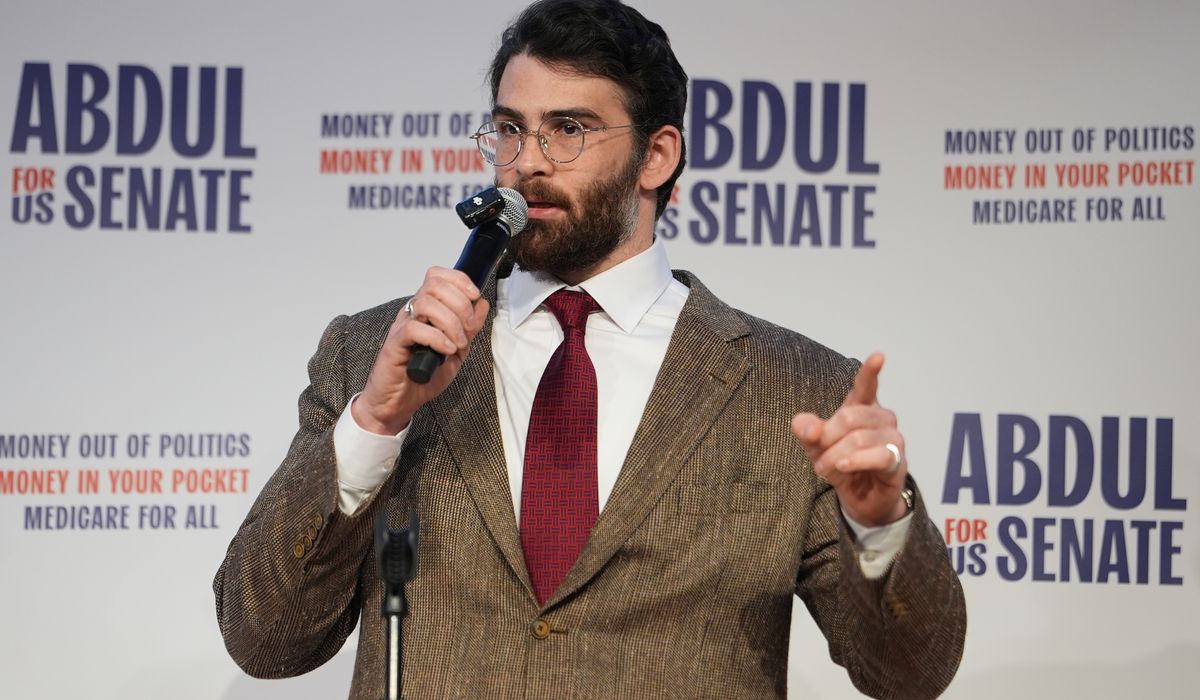
This article examines Democratic candidates aligning with Hasan Piker, a far-left internet personality who once said “America deserved the 9/11 terror attacks,” and considers why campaigns court his audience and what political tradeoffs that choice carries.
Some Democratic front-runners in tight midterm contests are betting that a close tie to a prominent online leftist will boost turnout among younger voters and sharpen fundraising appeals. They see raw digital reach as a short cut to attention in a crowded media cycle, and they hope viral moments translate into votes where margins are thin. That tactic looks savvy on paper, but it is far from risk free for mainstream candidates.
Hasan Piker built a loud platform by blending commentary with entertainment, and his followers respond to a combative, outsider style. For campaigns chasing energized supporters who consume news on streaming platforms, that kind of amplification feels valuable and immediate. Still, an influencer’s audience and a suburban swing voter are not the same thing, and the differences matter at the ballot box.
The key attraction for these candidates is influence over younger demographics that traditional outlets struggle to reach. Online personalities can mobilize supporters quickly, create donation momentum, and shape talking points on social. Those are real tactical advantages in fast-moving races where small shifts in turnout decide winners. But influence comes with baggage when it flows from figures known for inflammatory commentary.
One of the most damaging liabilities is past rhetoric that mainstream voters find unacceptable. The quoted phrase “America deserved the 9/11 terror attacks,” has become shorthand in conservative messaging for how far some of these voices sit outside civic norms. Republicans will use such language relentlessly in ads and debates to paint opponents as radical and out of touch, and many independent voters notice the contrast when campaigns go on air.
Candidates who embrace controversial personalities invite intense scrutiny from opponents and the press, and that attention rarely stays confined to fundraising highlights or viral clips. Every appearance or endorsement can be replayed with critics framing it as evidence of poor judgment or misplaced priorities. In tight races where moderate, unaffiliated, and older voters decide outcomes, those narratives can swallow any short-term gains from energized online backers.
There is also a clear strategic mismatch between national activist culture and local electoral realities. What plays well on a stream or in a niche podcast does not always translate to door-knocking, volunteer coordination, or persuading a skeptical suburban parent. Campaigns that over-index on influencer-driven strategies risk neglecting the steady retail politics that win elections in large, diverse districts.
Still, the calculus is not purely ideological. For some Democrats, the choice to work with figures like Piker is pragmatic: they need small-dollar dollars, social reach, and a narrative that keeps them visible in a noisy cycle. The gamble is whether those immediate returns outweigh the long-term cost of giving Republicans a vivid line of attack. From a Republican perspective, that tradeoff looks foolish and avoidable.
Republican campaigns will frame these alignments as proof that Democratic priorities are disconnected from mainstream concerns, and they will push message discipline to highlight the most extreme soundbites. That approach has won elections before by converting unease about tone and judgment into votes. The midterm battleground will show whether voters care more about personality-driven online mobilization or about steady, conventional appeals to competence and safety.
Ultimately, candidates choosing this path are wagering that the energized base and media momentum will carry them across the finish line despite predictable backlash. For opponents watching the map, the decision hands them a simple contrast to exploit: mainstream leadership or risky alliances with figures whose rhetoric many find beyond the pale. The coming weeks will reveal how voters weigh viral influence against the familiar mechanics of local politics.

