

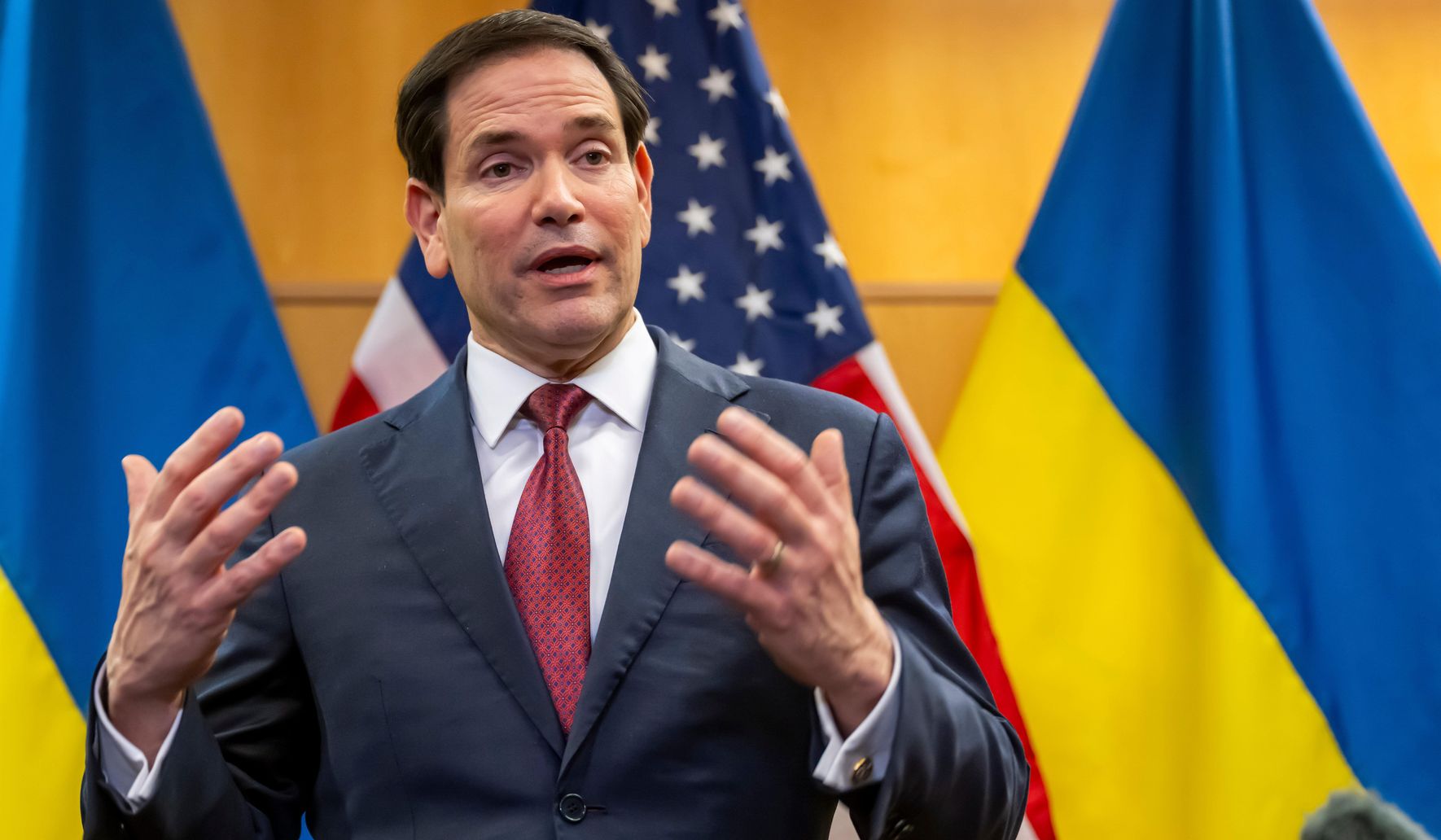
Top Trump administration officials met with Ukrainian negotiators in Florida on Sunday, pushing to broker an end to Russia’s war in Ukraine and setting the stage for key talks planned this week.
The meeting in Florida was short on ceremony and long on stakes, bringing high-level U.S. figures face to face with Ukrainian negotiators to discuss ways to halt Russia’s aggression. Officials want a negotiated end that protects American interests and supports Ukrainian sovereignty without leaving open doors for future expansion. The setting signaled urgency and a willingness to engage outside of traditional diplomatic channels.
Participants included senior members of the Trump administration and experienced Ukrainian envoys who arrived ready to talk substance rather than rhetoric. Conversations focused on realistic, enforceable steps rather than symbolic gestures that avoid hard choices. From a Republican perspective, that mix of seriousness and leverage is exactly what diplomatic engagement should look like when national security is on the line.
On the table were the usual core items: a ceasefire framework, security guarantees, mechanisms for territorial integrity, prisoner exchanges, and a timeline for phased de-escalation. Each of those items carries technical demands, but the core requirement is political will to enforce terms. Negotiators emphasized that any agreement must be verifiable and reversible if Moscow does not meet its commitments.
Verification and enforcement dominate the conversation because without them concessions are meaningless. Republicans argue firmly that sanctions must be linked to clear, measurable benchmarks and that rollback of punitive measures should only follow verified Russian compliance. Independent monitoring, robust inspections, and possible third-party guarantees were discussed as ways to make promises stick.
There was also a strong pushback in the room against naive compromise that would reward aggression or undermine Ukraine’s sovereignty. The Republican stance here is simple: no deal that cedes ground to Russia without accountability, and no open-ended obligations that drag the United States into perpetual entanglement. Negotiations should restore peace and security, not hand victory to the invader.
Domestic politics in Washington will shape the process as much as events on the ground in Ukraine. Republicans pushing for this approach emphasize fiscal responsibility, clear objectives, and a preference for deals that minimize long-term U.S. commitments. That means any future aid or security pact needs precise conditions, congressional oversight, and sunset clauses where appropriate.
International coordination remains essential even as the Florida talks proceed. Allies in Europe and partners beyond NATO must be part of enforcement strategies and reconstruction plans, because U.S. leverage alone cannot secure long-term stability. Republicans favor aligning pressure tools with rebuilding incentives so that a credible pathway to recovery exists for Ukraine without rewarding bad actors.
The week of key talks now ahead will test whether the Florida discussions were a productive opening or merely a prelude to more bargaining without results. Stakeholders will be watching for concrete proposals on monitoring, sanctions triggers, and timelines that can be sold politically at home. These are the hard lines that will determine if diplomacy delivers a durable end to fighting or simply delays the next confrontation.

