

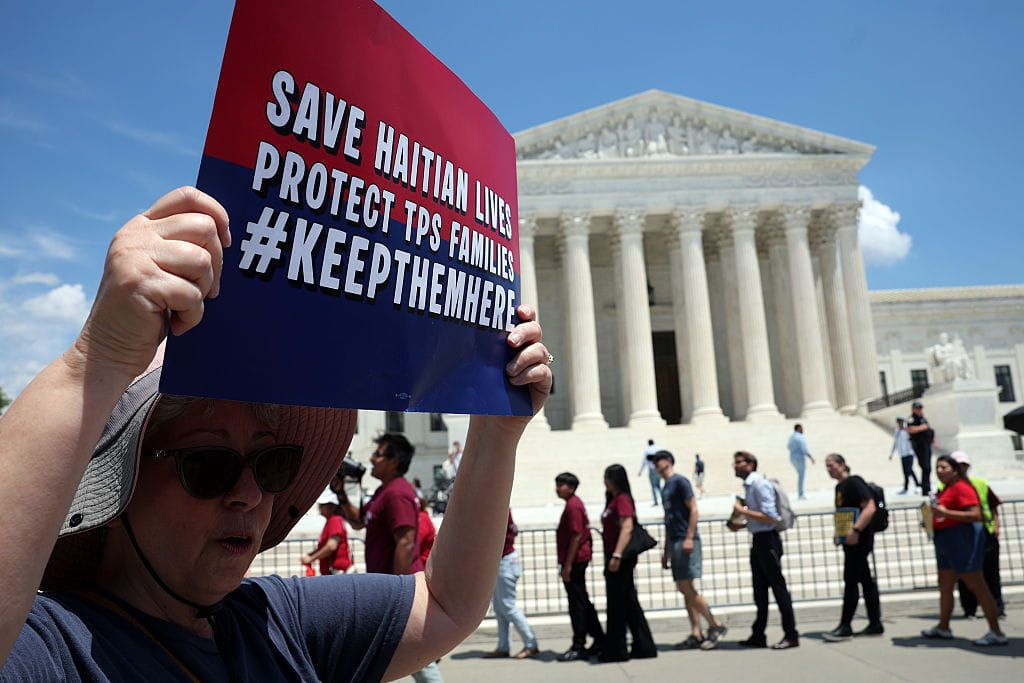
TPS migrants are facing a stark choice: pursue lawful status or go home, and the announcement has set off predictable outrage across the political spectrum.
DHS Secretary Mullin has put a hard line on temporary protected status, telling recipients they must either seek legal residency or return to their countries of origin. “DHS Secretary Mullin manages to irritate both the left and the right.” The move landed on Jun 30, 2026 and immediately sparked heated reactions from advocates and critics alike.
The policy shift is straightforward in language and messy in politics. Officials argue it forces clarity on a long-running patchwork approach that let millions linger without clear paths to citizenship. From a Republican perspective, enforcing immigration law and ending indefinite limbo makes sense as a matter of fairness and rule of law.
Opponents on the left call the change cruel and disruptive, warning of family separations and community harm. They point to humanitarian needs and argue for more generous relief and congressional action instead of executive orders. Yet critics on the right say the administration did not go far enough to stop future loopholes or to secure the border first.
The practical choices facing TPS holders are limited and immediate. Many have lived here for years, built lives, and raised families, but temporary status was never intended to become a permanent residency program. Officials now insist that those remaining under TPS must pursue legalization through established channels or prepare to leave, a binary many find jarring but clear.
Legal advocates are scrambling to map routes to adjustment of status, but those paths are narrow and bureaucratic. Even for qualified applicants, paperwork, waiting lists, and eligibility hurdles will slow outcomes and create backlogs. That uncertainty fuels both public frustration and political theater, with Democrats urging stays and Republicans demanding enforcement.
Republicans have a distinct political argument: laws matter and incentives shape behavior. If temporary protections turn into de facto permanence, that undermines the immigration system and rewards overstaying a temporary grant. For conservatives who favor orderly, merit-based policy, the new posture is a necessary corrective even if it is politically risky.
The administration’s messaging has been clumsy, inviting attacks from every direction. Some on the right accuse DHS of negotiating with itself, offering half-measures that look like enforcement but leave openings. On the left, activists emphasize human stories to pressure lawmakers and courts to block removals and expand protections.
Courts and Congress will likely be pulled into the fight, and litigation is almost certain. Legal challenges could delay implementation and create a patchwork of rulings across districts, leaving families in legal limbo for months or years. Republicans argue that durable solutions belong to Congress, not the courts, and that lawmakers should deliver clear, enforceable rules.
There are also economic and logistical concerns that get less attention in the shouting matches. Employers who depend on TPS workers face disruption, and communities that have integrated migrants worry about sudden departures. Officials must balance enforcement with predictable transition plans; without that, enforcement risks causing chaos as well as order.
Politically, the move tests messaging for both parties ahead of upcoming elections and legislative fights. Republicans can use the moment to press for stronger border controls and merit reforms while defending legal enforcement. Democrats will push rescue narratives and demand legislative fixes that expand protections instead of curtailing them.
This debate about TPS exposes larger questions about how the country manages migration, legal status, and civic integration. The choice presented to TPS recipients—legalize or leave—is blunt, but it forces a national conversation on permanence versus temporariness. Expect this to be a long battleground with lawsuits, congressional hearings, and intense political theater to follow.

