

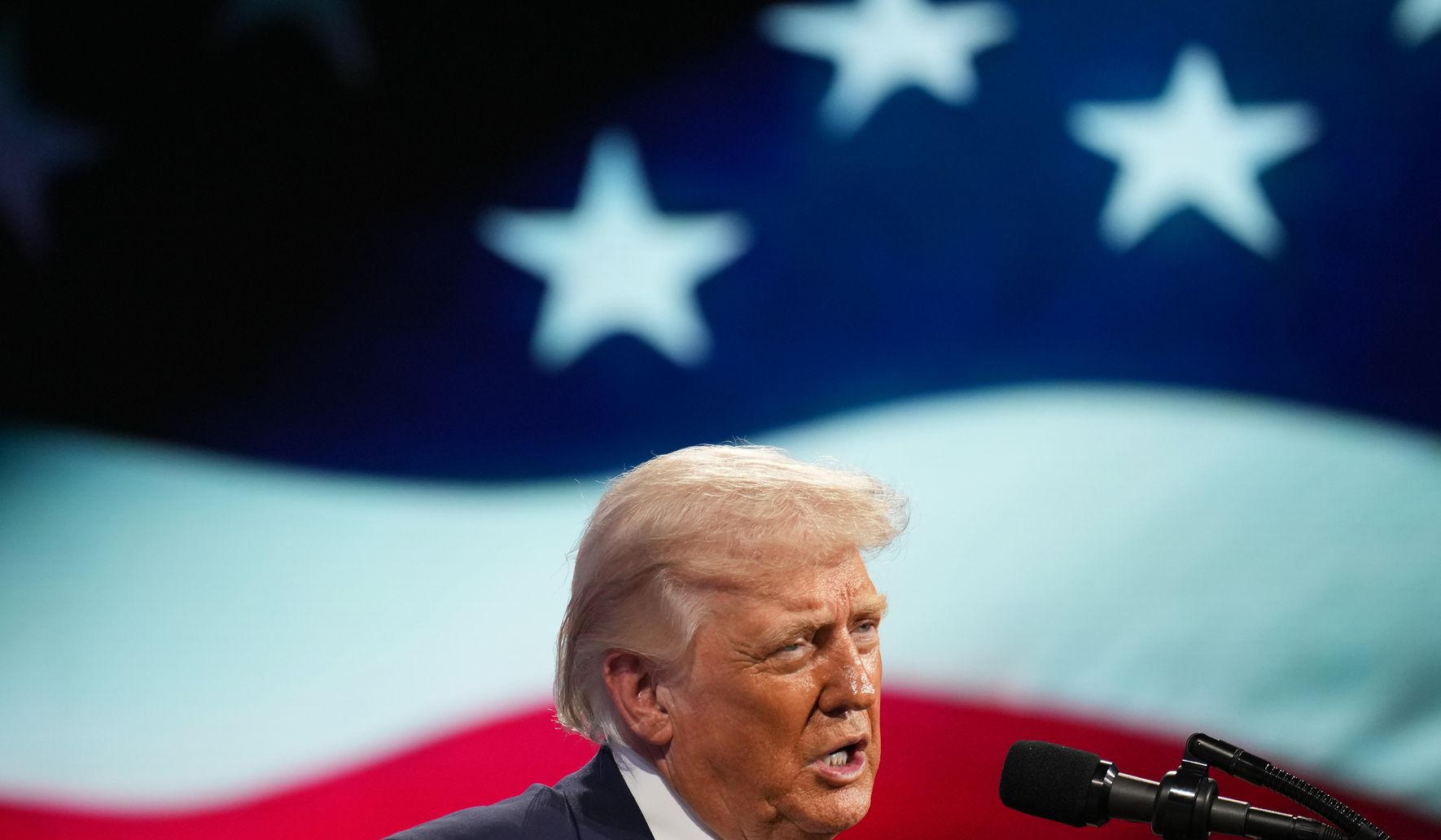
President Trump praised U.S. partners in the Middle East as “very helpful” in pushing back against Iran, and he drew a sharp contrast with NATO, arguing the transatlantic alliance has not matched that level of commitment or results.
Trump’s comments put the spotlight back on the pragmatic side of American foreign policy: work with partners who deliver concrete support rather than rely on old assurances. He framed the Middle East coalition as operational and results-oriented, which fits a Republican preference for clear returns on security investments. The “very helpful” label underscored a simple metric voters understand: allies who act matter more than allies who only talk.
On the ground, U.S. partners provided intelligence sharing, base access, and regional pressure that helped shape responses to Iran’s actions. That kind of cooperation cuts through diplomatic theater and gives commanders the tools they need. From a conservative angle, this validates a transactional approach to alliances where national interest and capability determine the relationship.
The contrast with NATO was direct: Trump suggested the transatlantic alliance has drifted toward bureaucracy and verbal support rather than operational follow-through. His criticism echoes long-standing Republican concerns about burden sharing and whether NATO members meet defense commitments. Calling out that gap is not new for him, but pairing it with praise for Middle East partners reframes the debate around effectiveness, not just tradition.
Strategically, focusing on allies who actively counter Iran resets expectations for American engagement in the region. It signals that Washington values tangible contributions like logistics, targeting intelligence, and diplomatic pressure that supports sanctions. Republicans see this as smart leverage: use partnerships that produce measurable results and demand reciprocity when the U.S. carries disproportionate costs.
There’s also a political dimension. Saying that certain partners were “very helpful” speaks to voters who want clear action on threats without endless troop commitments. It reinforces a posture of deterrence backed by allied cooperation rather than by open-ended nation building. For Republicans, that’s the sensible middle ground between isolation and overextension.
Operationally, the message pushes commanders and diplomats to prioritize coalitions that move the needle, whether through joint patrols, strikes, or intelligence networks. It encourages a return to clear mission goals and achievable benchmarks, so American power is applied where it will have impact. That approach demands allies pull their weight in measurable ways and accept accountability for their roles.
Ultimately, Trump’s praise for Middle East partners and his critique of NATO reflect a broader Republican argument: alliances must be rooted in capability and shared interest, not sentiment. The emphasis on results over rhetoric is meant to reshape how Washington builds coalitions against rivals like Iran. It’s a blunt, practical case for remaking alliances around performance and reciprocal commitment rather than old habits.

