

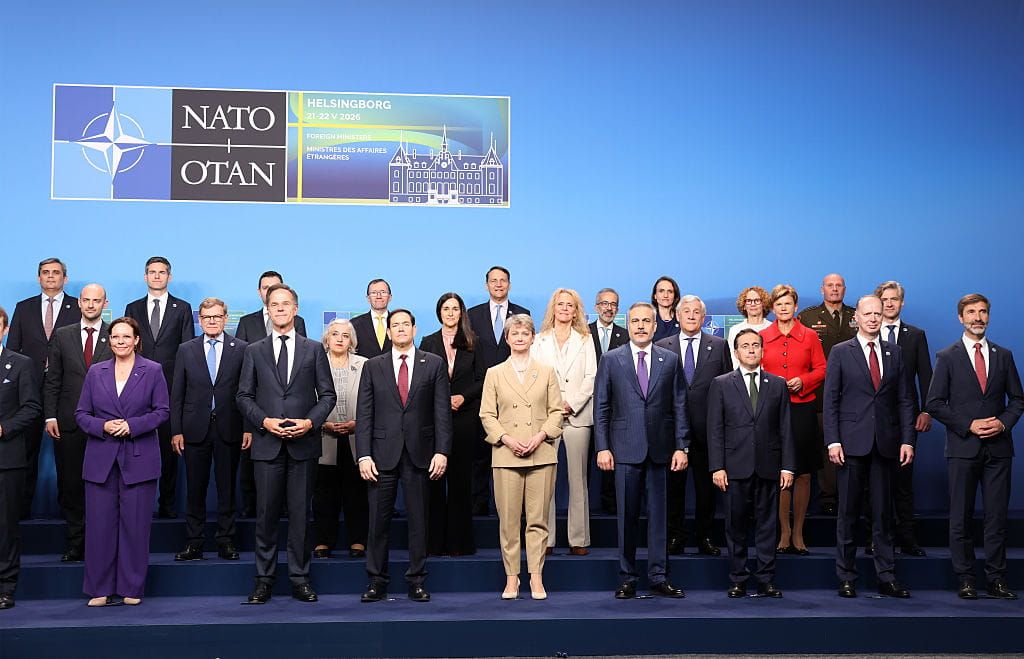
President Trump has moved to trim the United States’ financial burden inside NATO, framing the decision as a hard-nosed correction to decades of uneven burden-sharing, and arguing that allies must step up or face the real cost of their security choices.
On May 30, 2026, the White House announced steps to reduce direct U.S. contributions to NATO funding streams that long relied on American largesse. The move is billed as leverage to force fairer defense spending from member states that have grown complacent. Supporters see it as a necessary push to correct a pattern where the United States carries disproportionate risk and expense.
Washington has for years urged NATO members to meet the agreed target of spending 2% of GDP on defense, yet many remain below that threshold. That shortfall creates real gaps in readiness and capability, leaving American forces and taxpayers to cover the difference. Cutting contributions is a blunt but clear signal that words without spending are no longer acceptable.
It’s not about abandoning allies; it’s about recalibrating expectations so Europe pays its fair share for its own defense. Europe enjoys peace and economic integration while running on U.S. security guarantees that come with a heavy bill. Republicans argue that fairness and credibility go hand in hand—if allies don’t invest, the security architecture they depend on will be weaker and less reliable.
Critics warn the policy risks fraying alliances and emboldening adversaries, but Republicans counter that standing pat also carries risks. Relying on automatic U.S. funding encouraged free-riding and hollowed out European military capacity over decades. The incentive structure needed fixing, and reducing automatic contributions is intended to force a sober rethink about who actually pays for collective defense.
For domestic audiences, the move fits a broader priority: put American taxpayers first without sacrificing national security. Washington must balance fiscal responsibility with strategic commitments, and that balance has tilted toward unsustainable generosity. GOP supporters see the change as reasserting national interest and turning diplomacy into leverage rather than charity.
There is a practical side to this politics: money talks. By making funding conditional on concrete commitments—procurement plans, force posture changes, logistics agreements—Washington can create durable improvements in NATO capability. The goal is not punishment but a transition from dependency to partnership where every member shoulders a verifiable share of the burden.
That message is blunt: “It’s a painful lesson, but it’s one our so-called allies need to learn: Don’t bite the hand that feeds you.” That line captures the impatience many conservatives feel toward allies who promise and delay. The administration hopes tough rhetoric and fiscal pressure will finally produce sustained increases in European defense spending and more reliable capabilities at the battalion and brigade levels.
Some NATO capitals will resist and threaten diplomatic fallout, and there will be short-term noise from partner governments accustomed to U.S. funding cushions. Still, the longer-term calculation from a Republican perspective is straightforward: stronger local militaries and fairer cost-sharing produce a safer, more sustainable alliance. If the policy moves allies to modernize their forces and prioritize defense budgets, the strategic payoff will be worth the initial friction.
The policy also tests NATO’s political cohesion at a delicate moment in Europe, so follow-through matters. The United States can couple reduced contributions with clear, conditional offers: help with interoperability, joint procurement deals, and training tied to measurable spending goals. That combo—firm pressure plus practical assistance—aims to turn a short-term fiscal adjustment into long-term alliance resilience without sacrificing American security interests.

