

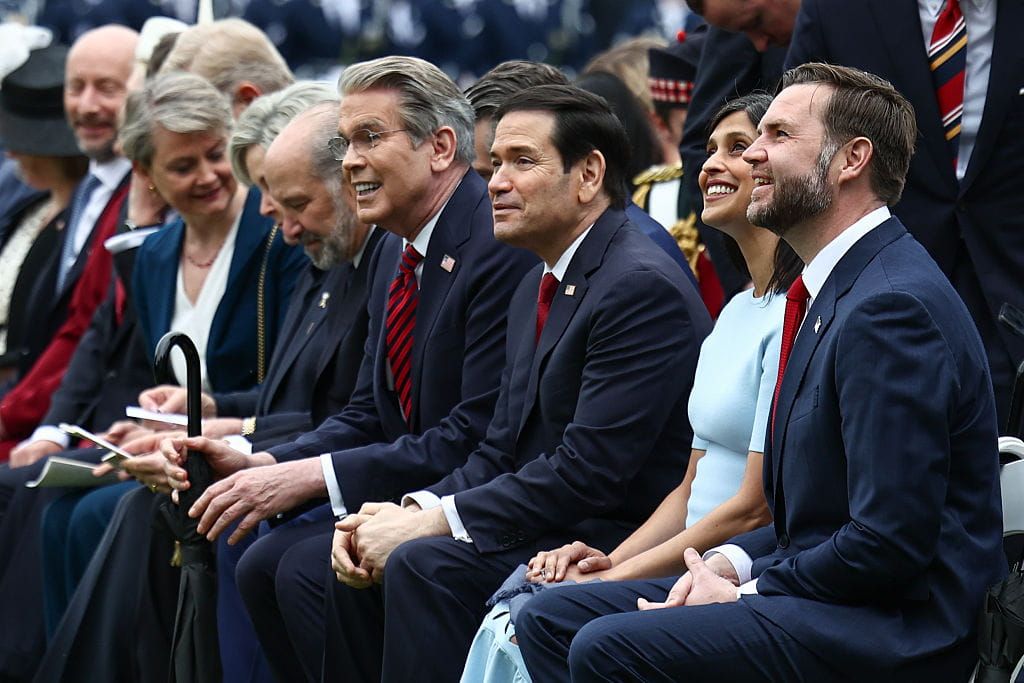
On Sep 2, 2026, the scene in Republican politics is one of strategic patience, with Donald Trump deliberately keeping open the door to multiple 2028 endorsement possibilities rather than anointing a single successor.
President Trump’s restraint is a calculated move, not a sign of confusion. He understands the power of an endorsement, and he’s using the threat of it to shape the field and reward loyalty. That gives him leverage over senators and governors who want his backing without alienating primary voters.
“Neither J.D. Vance nor Marco Rubio are the inevitable choice.” That line captures the central point: name recognition and loyal votes are valuable, but they don’t guarantee automatic support from the former president. Vance brings populist fire and courtroom-ready rhetoric, while Rubio offers policy experience and a more traditional conservative résumé.
For Republicans who care about winning, Trump keeping options open forces candidates to prove they can carry the base and compete nationwide. An endorsement tied to demonstrated effectiveness and adherence to key priorities — border security, economic growth, and judicial appointments — strengthens the party overall. It discourages last-minute coronations and elevates candidates who can actually win the general election.
J.D. Vance appeals to voters who want a fighter unafraid to attack the conservative movement’s enemies and the media. He has the cultural credibility among populists and the ability to command media attention. That said, his intensity can be polarizing, and Trump’s team knows an endorsement must weigh both primary momentum and general election viability.
Marco Rubio represents another kind of strength: experience on Capitol Hill, foreign policy chops, and an ability to talk to suburban and independent voters. Rubio’s record gives him policy credibility, but he also carries the baggage of previous campaigns and establishment ties that make him less of a pure insurgent. Trump’s endorsement calculus has to balance those trade-offs.
From a practical Republican standpoint, the former president’s grip on the party means his endorsement can make or break a campaign, but it should be deployed to maximize conservative gains. By not rushing, Trump preserves his sway into 2027 and 2028 and forces contenders to build coalitions rather than rely on name alone. That discipline pushes hopefuls to focus on fundraising, grassroots organizing, and coherent messaging.
Some critics call the holdout manipulative, but from a campaign perspective it’s smart politics. Republicans have learned that a premature pick can fracture the base and hand advantage to Democrats in the general election. Holding fire compels alignment on policy priorities and ensures any nominee reflects the movement’s agenda going into a decisive midterm and presidential cycle.
What voters should watch next are the cues Trump’s camp gives about priorities and red lines. Endorsement meetings, policy interviews, and the way he praises or critiques public performers will telegraph preferences. For Republican activists and donors, that information matters; it tells them which candidates deserve early resources and which must still earn their stripes.
Trump’s approach also sends a message to potential rivals: don’t take the endorsement for granted. Candidates need to demonstrate loyalty, discipline, and the ability to broaden the coalition. That keeps the primary competitive, sharpens the arguments on conservative policy, and ultimately aims to put forward a nominee ready to win in 2028.

