

President Trump says the Iran campaign is entering its final phase and expects it to wrap up soon, laying out a timeline and next steps after Operation Epic Fury began just over a month ago.
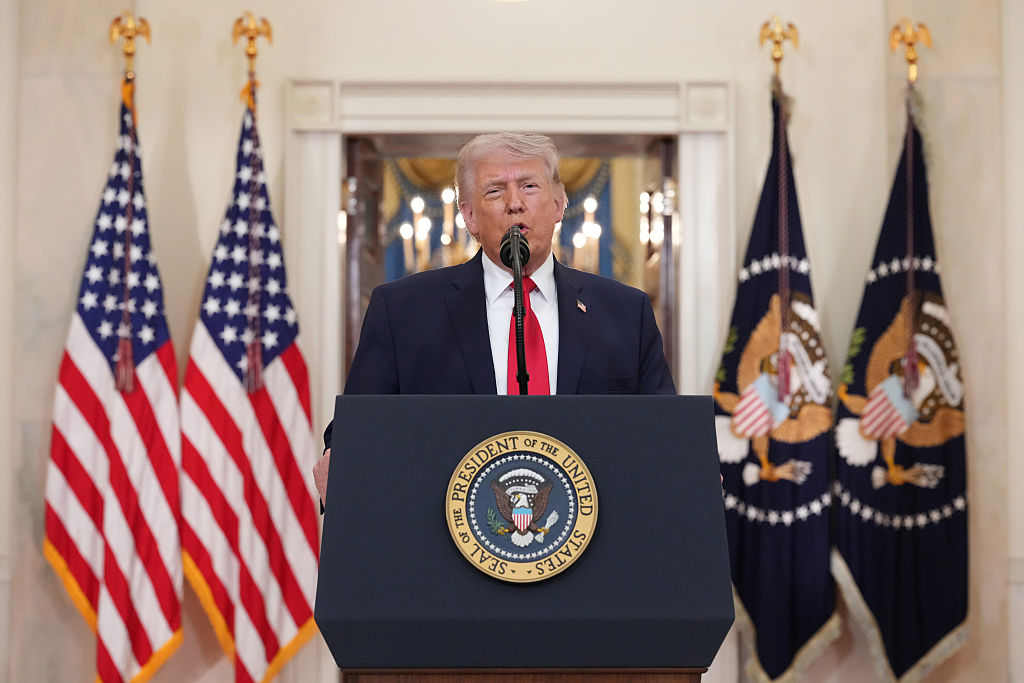
President Donald Trump, speaking in primetime on Wednesday, April 1, told the nation that the military campaign against Iran is nearing its end and that major objectives have been met. He described the shift from high-intensity strikes to a focused finish, arguing that the worst of the fighting has passed. That message was designed to reassure Americans while signaling a controlled exit strategy.
Trump framed the effort around Operation Epic Fury, which began just over a month ago and moved quickly into what he called a decisive stretch. He told viewers the next phase would be completed within two to three weeks, setting expectations for a prompt resolution. That timetable shapes the administration’s immediate priorities and public messaging.
The president faced growing opposition at home, yet he used the speech to defend the conduct and goals of the campaign while holding firm to a results-first approach. He emphasized that the operation’s rules and targets have been precise, intended to minimize American casualties and collateral damage. That restraint, he argued, highlights effective leadership under pressure.
On the ground, forces shifted from broad strikes to targeted actions meant to dismantle command nodes and key military assets, according to the administration outline. The plan called for a concentrated effort to remove Iran’s ability to project force regionally and to degrade networks that support terrorism. Trump insisted this was a limited, achievable mission with a clear end state.
Critics at home and abroad pushed back, questioning both the wisdom of striking and the proposed timeline, but the president countered by stressing results over rhetoric. He argued that swift, decisive action sends a message and prevents prolonged entanglement. That line resonated with supporters who favor a clear, outcome-driven military policy.
Throughout the address, Trump highlighted numbers and milestones as proof of progress, pointing to disrupted logistics, damaged infrastructure, and targeted leadership losses. He framed those facts as evidence that the operation had achieved what it set out to do, moving the country toward a lower-intensity phase. For his team, the emphasis was on tangible degradation of Iran’s military capability.
At one point the president referenced Tehran with a clipped phrase that circulated in reports, capturing the blunt tenor of his remarks: Iran ‘No […] That fragment found its way into the national conversation because it reflected a refusal to accept vague threats or open-ended commitments. The administration used that bluntness to reinforce the idea of clear objectives and firm deadlines.
Trump also used the speech to outline follow-on steps: consolidate gains, secure key positions, and establish conditions for reduced operations while keeping a credible deterrent in place. The approach mixes diplomacy with pressure, aiming to force negotiating leverage without immediate withdrawal. It’s a posture meant to translate battlefield success into strategic advantage.
Domestically, the president appealed to unity by saying he would protect American lives and interests without indulging in endless wars, a message tailored for voters skeptical of prolonged foreign entanglements. He pledged to keep Congress and the public informed as the operation moves through its final weeks, asserting that transparency matters even in wartime. That promise aims to hold political opponents accountable if the mission slips or timelines are missed.
Internationally, the administration signaled it will maintain pressure while seeking to rally partners to enforce new constraints on Iran’s regional behavior. The mix of military pressure and diplomatic outreach is intended to lock in gains and prevent a quick rebound by adversaries. For the president, success will be measured by lasting limits on Iran’s capacity to threaten U.S. interests and allies.
As the country watches the next two to three weeks, Washington will be judged on whether the operation’s claimed progress converts into sustainable security gains and whether American forces return in orderly fashion without creating new vacuums. The president’s promise of a near-term finish sets a high bar for execution and oversight from both the White House and Congress. Public patience and political capital will hinge on clear, verifiable outcomes as the campaign moves toward its planned conclusion.

