

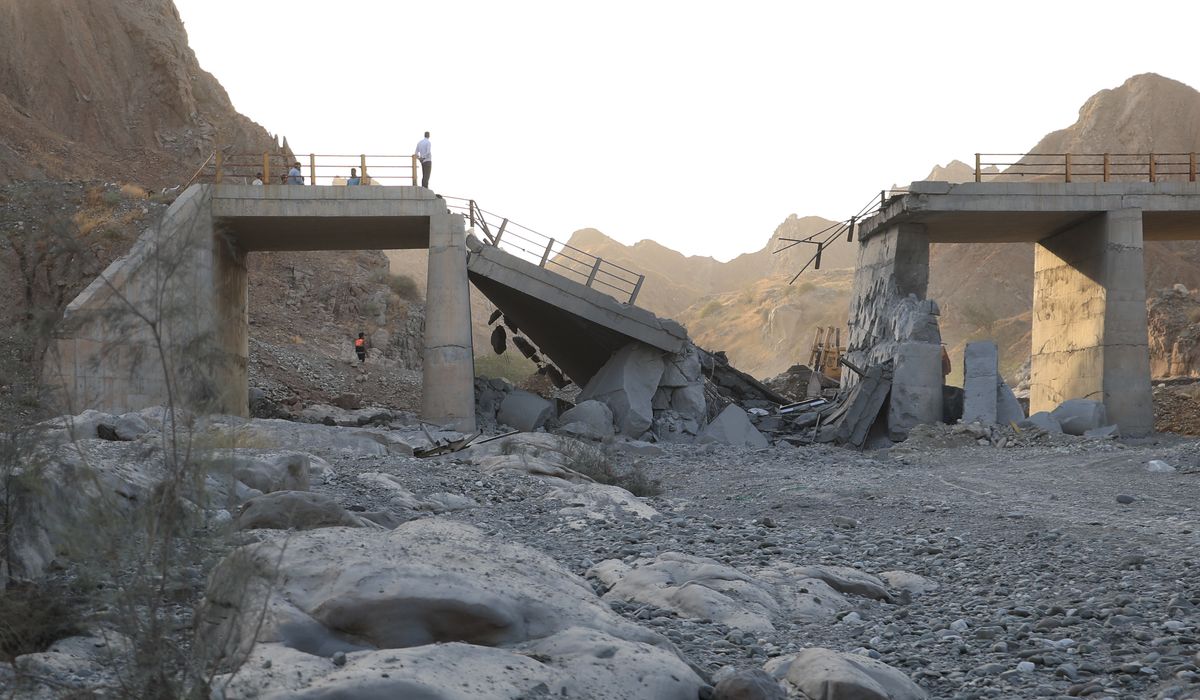
President Trump ordered another wave of U.S. airstrikes against Iran early Sunday on the heels of an Iranian attack on a base in Jordan that killed at least two American troops.
The situation began when Iran launched an attack on a facility in Jordan that resulted in the deaths of American service members, a stark reminder that threats to U.S. forces remain real and lethal. In response, President Trump ordered another wave of U.S. airstrikes against Iran early Sunday, aiming to disrupt further attacks and degrade the capabilities used to strike U.S. and allied positions. This move reflects a clear choice to address aggression with force rather than allow it to stand unchallenged.
From a Republican perspective, the decision to strike is about deterrence and accountability, not escalation for its own sake. Strong, timely responses tell adversaries that attacking Americans will carry a cost, and they restore a measure of strategic clarity that adversaries often test. Lawmakers and voters who prioritize national defense see decisive action as the responsible way to protect troops and project strength abroad.
Military commanders reportedly carried out targeted strikes designed to limit collateral damage while disabling systems and infrastructure tied to the attack. Precision and proportionality matter to preserve moral and legal standing even as we take tough measures. The goal is to remove the immediate threat and to make clear that those who plan and execute attacks will not do so with impunity.
Coordination with regional partners is central to sustainable operations, and the United States must work closely with Jordan and other allies to share intelligence and stabilize the area. Diplomatic channels remain necessary even while military options are used, because long-term security requires political as well as kinetic tools. Republican leaders often stress that American strength at the negotiating table comes from credibility on the battlefield.
Domestically, this action will sharpen debates about oversight, authorization, and the rules of engagement, and Congress will rightly demand briefings and clarity. Republicans typically argue that authorization for necessary force should be supported when it defends American lives and interests, while ensuring commanders have what they need to succeed. That balance between support for the military and civilian oversight is central to conservative defense policy.
Strategically, the strikes aim to deter Iran and its proxies by degrading the capabilities used against U.S. forces and partners across the region. Republicans argue that a posture of strength reduces the likelihood of future attacks because adversaries calculate both cost and consequence. Sustained pressure—diplomatic, economic, and military—remains the approach favored by those who want to prevent a return to permissive conditions for aggression.
There are real risks of escalation, and those risks call for clear objectives and disciplined execution, not open-ended commitments. Commanders and civilian leaders must calibrate actions to avoid provoking unnecessary wider conflict while still denying the enemy safe space to operate. Republican policymakers emphasize smart use of force: targeted, resolute, and tied to achievable outcomes.
Public messaging matters as much as the strikes themselves, because Americans and allies need to understand why force was used and what comes next. Clear, factual communication undercuts hostile propaganda and reduces miscalculation by signaling intent and limits. For Republicans, firmness in public statements reinforces the message that defending American lives is a first-order priority.
Intelligence follow-up and forensic work will be essential to assign responsibility and adapt tactics going forward, and preserving evidence about the Iranian strike on the Jordan base will guide future decisions. Military planners will evaluate what worked and what didn’t to refine deterrence measures across the theater. Republican lawmakers will push for sustained investment in capabilities that prevent these threats from reemerging.
As operations continue, attention will turn to concrete measures that prevent recurrence, including sanctions enforcement, counter-proliferation efforts, and support for regional partners facing Iranian-backed groups. The aim is to combine pressure and preparedness so that the environment becomes less permissive for attacks on U.S. forces. Republicans insist that a nation serious about defense must use every instrument of power until the danger is meaningfully reduced.

