

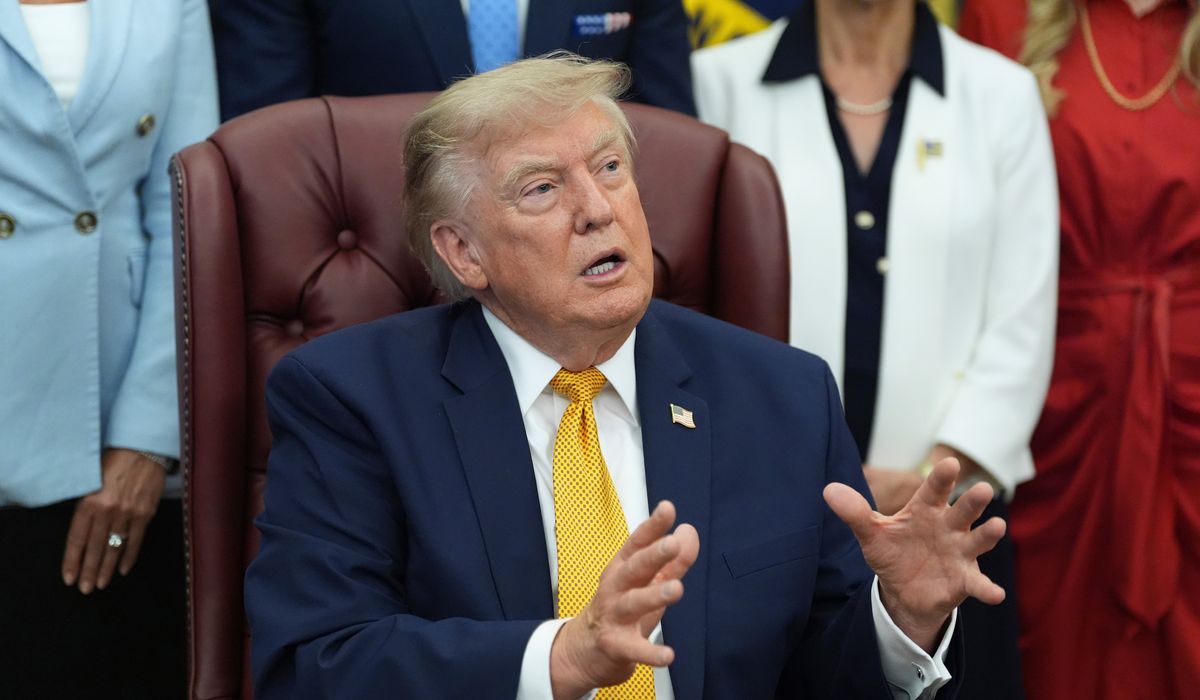
President Trump pushed back on media reports about shrinking military supplies, defended American firepower and demanded accountability for leaks while stressing that readiness rests on logistics and leadership.
President Trump insisted Thursday that the U.S. has ample military firepower and said he wants to prosecute “leakers” who told the media that supplies are running short. That line set the tone for a blunt defense of the armed forces and a sharp critique of how information about supply status has been handled. Supporters heard a leader who trusts the force and wants order restored to how sensitive matters are communicated.
The core of the argument is simple: the United States has unmatched military capability, and rumors about shortages can harm deterrence and morale. Holding those who disclose internal assessments to unauthorized audiences accountable is not about silencing critics, it is about protecting operations and the safety of personnel. From a Republican standpoint, discipline and chain-of-command matter as much as firepower when it comes to sustaining strength.
Logistics are often invisible until they fail, and that creates space for alarmist headlines to take root quickly. Senior officials can reassure the public by being transparent about what is being shipped, what remains in reserve and how shortfalls are being addressed without exposing operational details. That balance is tricky, but it is critical if you want to keep both public trust and tactical surprise intact.
Part of the messaging here is political, too: the claim that supplies were inadequate has been used to score points against leadership decisions. Critics say those reports highlight real weaknesses; allies of the administration counter that the reports are selective snapshots that ignore stockpiles and surge capacity. Republicans argue that when the military can call up reserves, reroute logistic chains and accelerate production, media-driven panic over isolated shortages distracts from readiness and response options.
On the legal front, pushing to prosecute unauthorized disclosures is framed as enforcing existing rules, not inventing new ones. Leaks that reveal troop movements, vulnerabilities or supply constraints can have real consequences on the battlefield and on diplomatic signals. The administration’s stance signals that careless disclosures will face consequences, a posture intended to deter future breaches and keep sensitive information out of public circulation.
Practical fixes are also on the table: improve inventory systems, streamline contracting and prioritize domestic production for critical items. Those are familiar Republican themes—leaner processes, stronger manufacturers and faster approvals when national security depends on it. The goal is to reduce the occasions where officials have to choose between silence that breeds suspicion and openness that risks security.
Beyond policy, the rhetorical fight matters for morale inside the chain of command and for the public’s perception of competence. Leaders who defend forces publicly and move to secure information internally aim to project control and stability. The debate over leaks and readiness will play out politically and operationally, but the underlying message remains that deterrence depends on both hardware and secure, disciplined information flows.

