

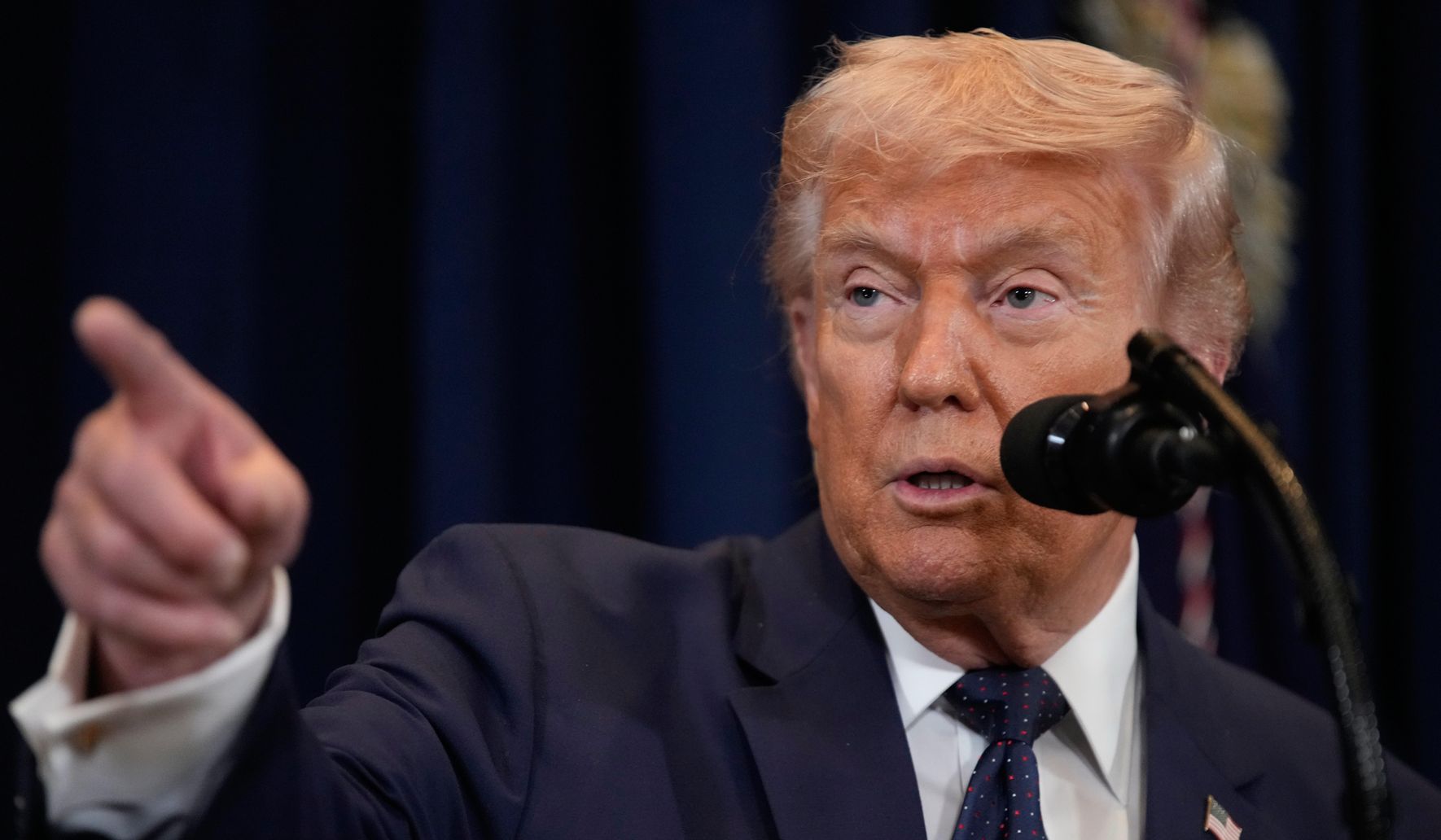
President Trump said Thursday there is an upside to rising oil prices as a result of the war against Iran — the U.S. will make money as a major producer.
Energy markets have reacted sharply to tensions in the Middle East, and that reaction is reshaping conversations at home. Prices are higher, traders are nervous, and Americans are paying attention to who controls supply. The U.S. sits in a different position than it did a decade ago, and that matters.
President Trump said Thursday there is an upside to rising oil prices as a result of the war against Iran — the U.S. will make money as a major producer. That line gets straight to the point: higher global crude prices translate into stronger returns for American oil firms and more tax and royalty revenue for states and the federal government. For Republicans who back domestic production, the market response looks like a validation of an energy-first strategy.
On the supply side, U.S. oil output has climbed because of technology and private capital, not because the government forced it. When global supply tightens, price signals encourage more drilling, more investment, and more jobs in energy communities. Those outcomes shift economic power back toward regions that produce fuel and toward workers who drill, refine, and transport it.
There’s a raw political logic here: reliance on foreign suppliers leaves the country exposed during conflicts, while being a top producer gives the U.S. bargaining power. Higher prices are painful at the pump, but they also strengthen the domestic industry that can cushion future shocks. That tradeoff is central to conservative arguments for keeping regulation light and letting markets allocate capital where it will be most productive.
Still, the immediate effect on consumers can’t be ignored. Families and small businesses feel higher energy costs quickly, and politicians should acknowledge that reality without ceding the strategic advantage. Smart policy balances near-term relief measures with long-term steps that expand supply, rather than reflexively cutting off production. The conversation should be about pragmatic responses that protect consumers while sustaining the industry that creates jobs.
Strategic reserves, export markets, and private investment all play roles in how this story unfolds. Selling or drawing from the Strategic Petroleum Reserve can blunt a sudden spike, but it’s a temporary fix that doesn’t replace ongoing investment. Meanwhile, American liquefied natural gas and refined products are finding eager buyers abroad, turning domestic energy into a geopolitical lever as well as an economic one.
From a Republican point of view, this moment reinforces core priorities: energy independence, market-driven growth, and national strength. Encouraging domestic production means more tax revenue, stronger communities in producing states, and improved leverage in foreign policy. It also means doubling down on permitting reform and predictable policy so investors keep building the infrastructure America needs.
The bottom line is straightforward: global instability lifts prices, and higher prices reward those who produce. That dynamic creates a narrow political opening to defend production-based policies, support workers in the field, and recognize the complex tradeoffs that come with market-driven energy. How leaders respond now will shape whether America turns short-term volatility into longer-term advantage or short-lived gain.

