

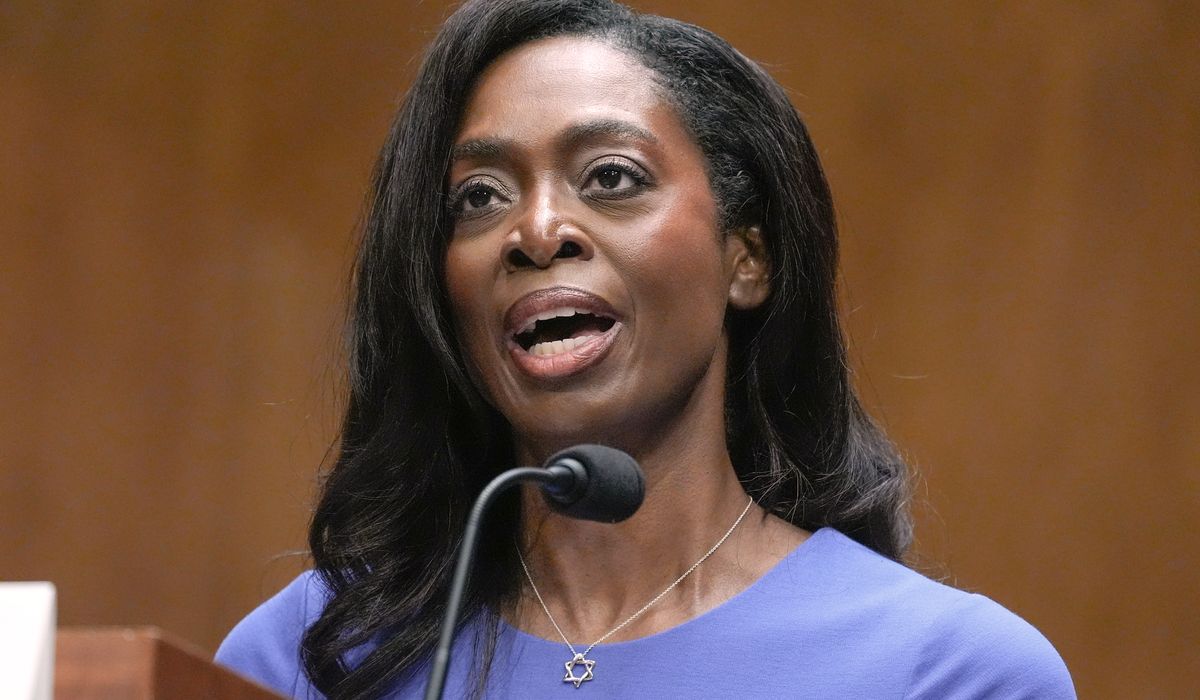
The Trump administration’s latest nominee to lead the nation’s top public health agency faced sharp questions from senators, exposing deeper debates about the agency’s direction, independence, and how public health decisions get made.
The nomination stirred visible frustration during Senate questioning as senators pressed the nominee on core issues of authority, scientific independence, and policy priorities. Lawmakers pushed for clear answers about how the agency would balance federal guidance with local decisions. The exchange underscored how health policy has become battleground politics.
Republicans in the hearing focused on restoring trust and operational clarity at the agency after years of criticism and confusion. They argued the nominee should prioritize straightforward data reporting and stop sending contradictory messages that leave states guessing. That approach frames accountability as the route back to public confidence.
Democratic senators, meanwhile, zeroed in on the nominee’s potential willingness to follow established scientific guidance and to resist political interference. Their questions read like a demand for ironclad assurances that public health decisions will remain evidence driven. The clash made clear that both parties expect the nominee to answer for past mixed messaging.
The nominee repeatedly had to explain how she would handle conflicting advice between federal experts and state officials. Senators wanted specifics on who would set benchmarks for reopening, vaccine distribution, and testing priorities. Those operational details matter because the public needs consistent standards during health emergencies.
From a Republican viewpoint, the hearing highlighted two priorities: protect individual freedoms while ensuring clear, actionable public health guidance. Lawmakers pressed for policies that support local control, faster approvals for treatments and diagnostics, and transparent data so citizens can see the basis for recommendations. The goal is preventing one-size-fits-all edicts that don’t suit all communities.
Budget and staffing questions came up too, with concern about waste and inefficiency inside the agency. Senators asked whether the agency would streamline reporting requirements, prioritize useful surveillance, and better coordinate with state public health systems. The emphasis was on practical fixes that deliver results without expanding bureaucracy for its own sake.
Another line of questioning focused on how the agency would communicate risks and uncertainty. Lawmakers pointed out that mixed signals from leadership erode compliance and fuel skepticism. They pressed the nominee to commit to clear, plain-language guidance that explains what is known, what is uncertain, and what actions people should reasonably take.
Republican senators also raised civil liberties and economic consequences when discussing prolonged restrictions. The nominee was asked to explain how the agency would weigh harms from shutdowns against health benefits. Those exchanges showed a desire to keep public health policies proportional and mindful of livelihoods.
Several senators pressed for reforms to data collection and transparency so the public and state officials can make informed choices in real time. They want standardized metrics and public dashboards that aren’t subject to shifting definitions. The nominee’s answers suggested an intent to tighten reporting and make agency data more reliable and timely.
Observers in the hearing room noted the political stakes: senate confirmation is not just about one person, it’s about setting expectations for how the agency will operate under the administration. Senators demanded practical commitments that would produce predictable, science-based guidance while protecting individual rights. The questioning made it clear that the nominee’s future will hinge on proving she can deliver both competence and independence.

