

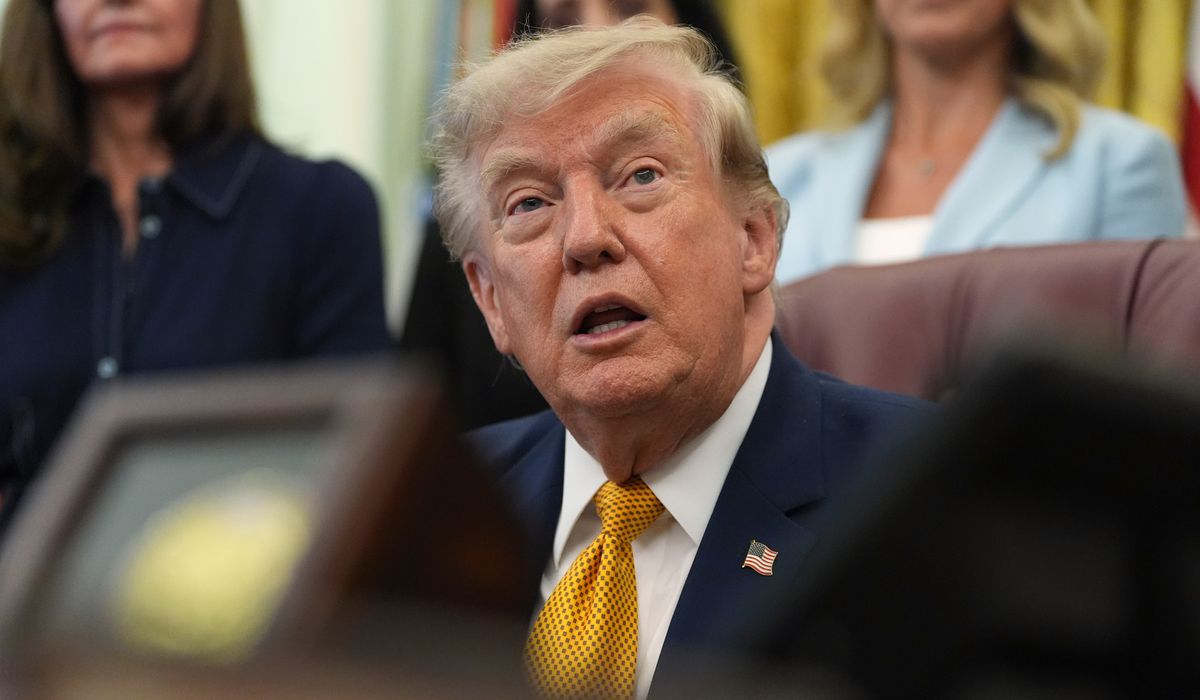
President Trump faced three political setbacks in three days, including two reversals by his own appointees, a sequence analysts say could influence Republican performance in the November midterms.
Three straight days of setbacks landed on President Trump, and the optics matter far more than the headlines suggest. Two of those reversals came from people he picked, which raises questions about messaging and control inside the administration. Republicans should treat this as a test of discipline, not a reason to panic.
When appointees flip positions or pull back, it exposes weaknesses in coordination and communication that opponents will magnify. Critics will call it chaos; Republicans should call it a reminder to tighten the message and stick to clear principles. Voters respond to competence, and the party needs to show it can manage inevitable bumps without losing direction.
The broader takeaway from the three-day stretch is simple: perception can shape turnout. Analysts are right to note the potential midterm impact, because November is often decided by who shows up and why. If the GOP smells disarray, some voters may stay home or look for a steadier alternative.
Still, setbacks are not the same as collapse, and history favors parties that respond quickly and decisively. This moment gives Republican strategists a chance to reinforce priorities and remind voters what’s at stake. A focused rebuttal that avoids overreaction will play better than dramatic counterattacks or internal finger-pointing.
Part of the problem is how modern media inflates every misstep into a narrative of failure, but that does not mean the substance should be ignored. The administration and its allies need to address the real policy implications behind the reversals while refusing to be dragged into needless drama. Emphasize competence, concrete achievements, and a positive contrast with the alternatives.
Local candidates and party operatives will feel the ripple effects, so messaging at the grassroots level matters more than ever. Campaigns should prepare crisp, consistent talking points that turn these setbacks into teachable moments about strategy and leadership. Voters are practical; show them a plan, not just a defense.
Republicans also need to watch the calendar and pick their fights. Not every controversy deserves a headline response, and the smarter moves are often the quiet fixes behind the scenes. Use this window to shore up weaker spots, refresh outreach to swing constituencies, and ensure get-out-the-vote operations are ironclad.
Finally, the party should remember that resilience is a political advantage when used well. Setbacks can be spun into stories of recovery and competent governance if handled with discipline and focus. November will test whether Republicans can turn a three-day stumble into a single moment on a broader path to success.

