

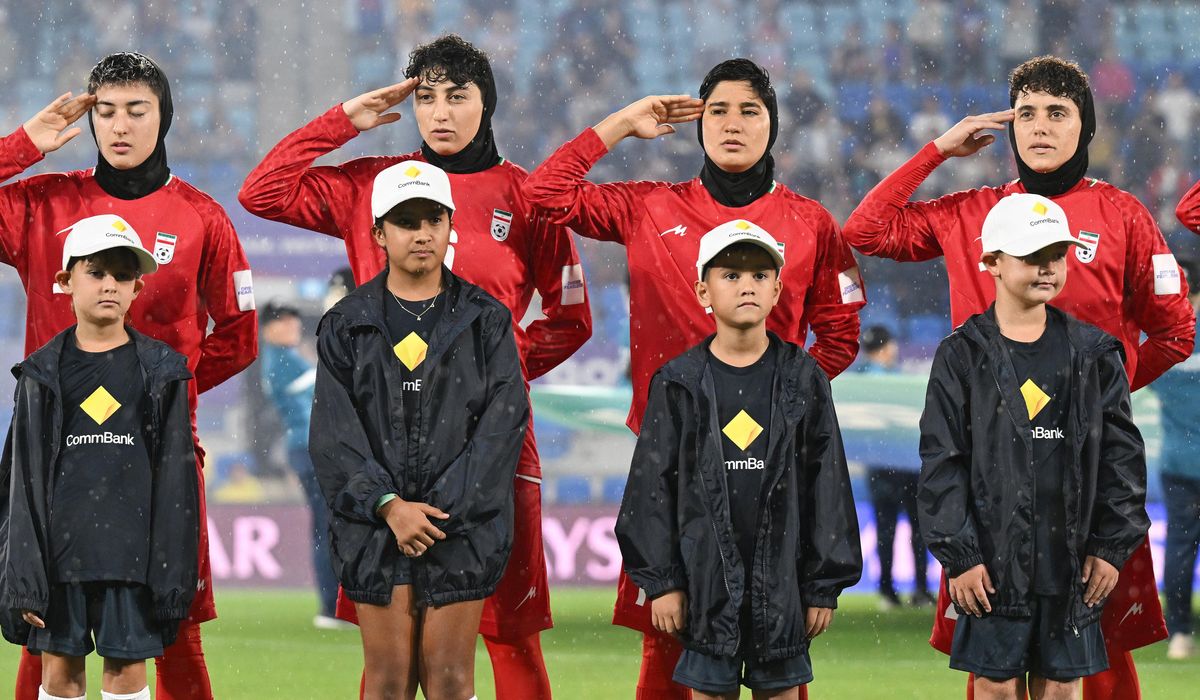
Two more members of the Iranian women’s soccer team were granted asylum in Australia before their teammates departed the country, Australian Home Affairs Minister Tony Burke said Wednesday.
This development landed suddenly and has raised questions about safety, sovereignty, and the role of sport in geopolitics. The asylum grant came as the team prepared to leave Australia, and it highlights the tensions athletes can face when their home governments clash with personal freedoms. Australian officials confirmed the decision, and the story has drawn attention across international media.
For the athletes involved, the asylum decision is about immediate protection and a way out of a dangerous situation at home. Women who represent their countries in public life often face disproportionate scrutiny and risk, and those risks can spill over into international competitions. The choice to seek asylum is rarely simple and often driven by urgent concerns for safety and personal liberty.
From a broader perspective, this kind of case tests the balance between national immigration rules and humanitarian instincts. Democracies must weigh legal processes against moral responsibility when people flee persecution. That balancing act becomes politically charged when the people seeking refuge are visible and represent their nation on a global stage.
Sporting events have a history of becoming pressure points for human rights disputes, and this instance joins a long line of athletes whose careers intersect with politics. Governments sometimes use sports for soft power, while players can use their visibility to draw attention to repression. When an athlete seeks protection, the spotlight shifts from the scoreboard to safety and principle.
The Australian decision also has diplomatic implications, touching relations with the team’s home country without naming new conflicts. Granting asylum can be read as a humanitarian move, but it also complicates conversations with foreign governments that may view such actions as interference. Those diplomatic reverberations often play out slowly and out of public view.
Domestically, asylum cases like this spark debates about border integrity and vetting procedures. From a Republican viewpoint, there is a natural insistence on secure, thorough processes that protect a country while offering refuge to genuine victims. Ensuring rigorous screening safeguards both national interests and the integrity of humanitarian programs.
At the same time, conservatives can recognize the moral clarity of protecting individuals at risk under authoritarian systems. There is room to argue that standing with persecuted people, especially women denied basic rights, aligns with principles of freedom and human dignity. That tension—between security and compassion—is where policy discussions usually land.
Practical concerns for the athletes remain immediate and tangible: relocation, legal status, and long-term safety for them and their families. Host countries must provide support that goes beyond temporary protection, including access to housing, healthcare, and pathways to stable status. Without those supports, asylum can become a different kind of limbo for those who have already suffered.
There are also sports governance questions to consider, such as how international federations respond to athletes who break from their national teams on safety grounds. Organizations that oversee international competitions face pressure to create frameworks that protect athletes without politicizing every match. Clear policies would help prevent chaotic situations the next time something similar happens.
Media coverage plays a big role in shaping public reaction to asylum cases involving athletes. High-profile stories put pressure on governments to act quickly, but they can also oversimplify complex legal and security issues. Responsible reporting should distinguish between verified facts and speculation, and should respect the privacy and safety of those directly affected.
Ultimately, the asylum granted in Australia to two members of the Iranian women’s soccer team underscores why individuals sometimes risk everything for safety. It forces a reckoning about how nations respond to visible people fleeing repression and what safeguards should be in place for athletes on the world stage. The immediate aftermath will focus on care and legal pathways, while the broader debate will probe how best to marry security with compassion in future cases.

