

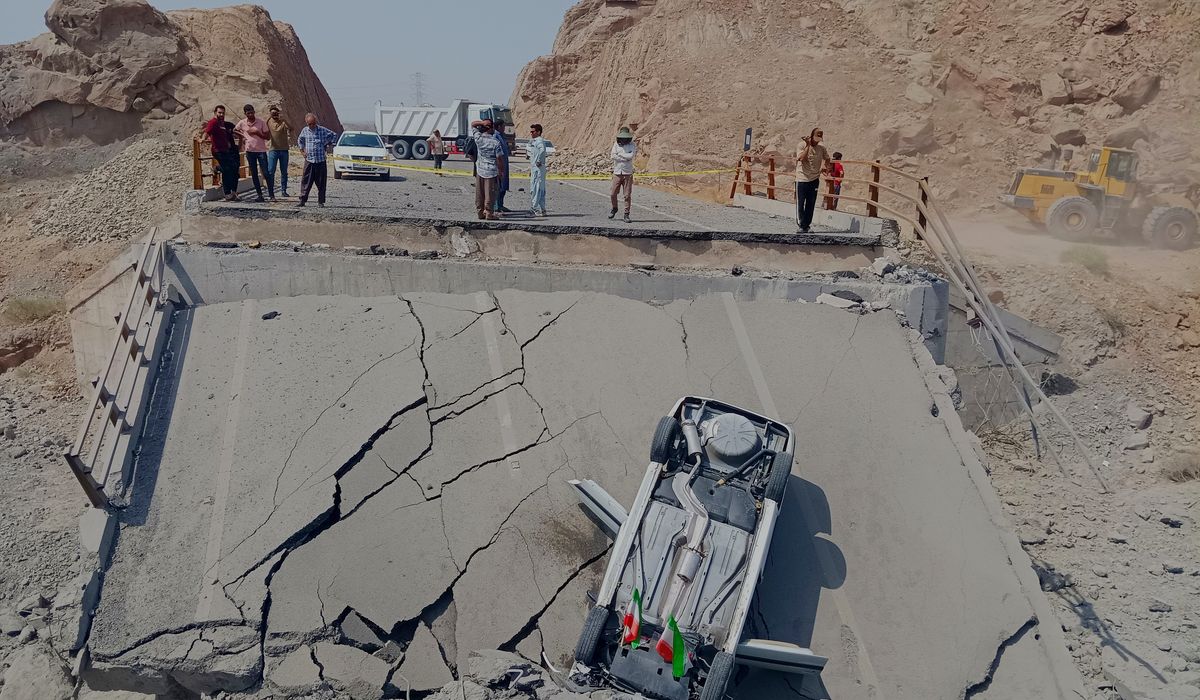
The United States and Iran traded fire across the Middle East on Wednesday, and leaders on both sides are openly doubting whether diplomacy can stop the fighting as it risks spiraling beyond control. This article examines the immediate fallout, the policy choices in play, and why a clear, strong response matters right now.
The exchange of fire between American and Iranian forces across the region underlines how fragile the situation has become, with attacks and counterattacks risking wider conflict. Officials from both capitals are publicly questioning whether talks can actually halt the violence, and that skepticism is feeding uncertainty among allies. When diplomacy looks shaky, the clock runs faster toward mistakes and miscalculation.
Regional governments, commercial shipping, and U.S. partners are already dealing with the fallout, and the potential for escalation threatens to disrupt energy markets and trade routes. Civilians and military personnel alike face heightened danger when incidents multiply and command-and-control chains are stressed. That practical, immediate risk is what makes the political response so urgent and consequential.
From a Republican standpoint, uncertainty about diplomacy cannot be allowed to translate into paralysis, because weakness invites further aggression. Leaders should be upfront about the limits of negotiations with an adversary that has repeatedly used proxies and asymmetric tactics to press its aims. At the same time, rhetoric has to be backed by policy that imposes real costs on those who choose confrontation over restraint.
A steady, credible deterrent posture is essential: that means protecting American forces, securing sea lanes, and ensuring partners have the backing they need to deter attacks. Deterrence is not the same as escalation for its own sake; it is the disciplined use of power to prevent fights from getting worse. If adversaries calculate that the U.S. will accept continued harassment, the risk of a larger conflict grows.
Economic pressure and targeted sanctions remain vital tools to choke off the resources that finance hostile operations, while leaving options open for diplomacy when it can produce tangible results. Sanctions must be smart and sustained, designed to impose pain on decision-makers rather than on populations we want to influence over time. Combined with firm defensive measures, these levers can shape behavior without committing the country to open-ended land wars.
Political accountability at home matters as much as military readiness overseas; Congress should demand clear criteria for success and realistic cost estimates before authorizing sweeping actions. Vague statements and shifting goals erode public trust and give adversaries the advantage of confusion. Republicans pushing for clarity are not advocating recklessness, but for transparency about what force will achieve and what it will not.
As tensions fluctuate, the imperative is to protect American interests and allies while avoiding moves that lock us into a prolonged, undefined conflict. That balance requires blunt honesty about threats, firm measures to raise the cost of aggression, and disciplined political leadership that resists both panic and appeasement. The situation remains dangerous, and the coming days will test whether policy can prevent the fighting from expanding beyond a dangerous exchange of fire.


1 Comment
Let ISRAEL finish Iran!!! “Boom*!!!